
 Αφρική
 Ασία
Ασία Ευρώπη
 Νότια Αμερική
 Αυστραλία και Ωκεανία
 Ανταρκτική
 Ειρηνικός Ωκεανός
 Ατλαντικός Ωκεανός
 Ινδικός Ωκεανός
 Αρκτικός Ωκεανός
 Μεσόγειος Θάλασσα
 Ερυθρά Θάλασσα
 Καραϊβική Θάλασσα
 Θάλασσα των Κοραλλιών
 Θάλασσα της Νότιας Κίνας
 Θάλασσα των Φιλιππίνων
 Θάλασσα Ανταμάν
 Βόρεια Θάλασσα
 Θάλασσα του Τιμόρ και Θάλασσα Αραφούρα
 Κόλπος της Βεγγάλης
 Κόλπος της Καλιφόρνιας
Pine processionary
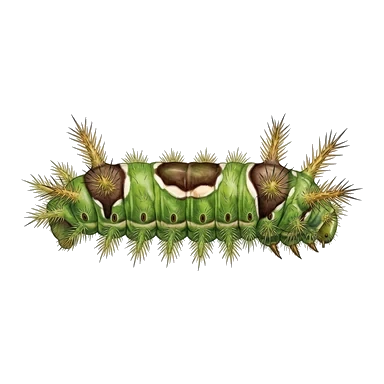 Τρίχες που τσιμπάνε
The pine processionary is a moth whose caterpillars are famous for marching in long, nose-to-tail lines through pine woods. Their hairs cause painful rashes and eye irritation, and they can strip the needles from whole trees. It lives around the Mediterranean and is spreading north.1
 Πώς να το αναγνωρίσεις
- Caterpillars are orange-brown and hairy, with blue bands.1
- Large silken nests in pine trees, often with several in one tree and signs of stripped needles.1
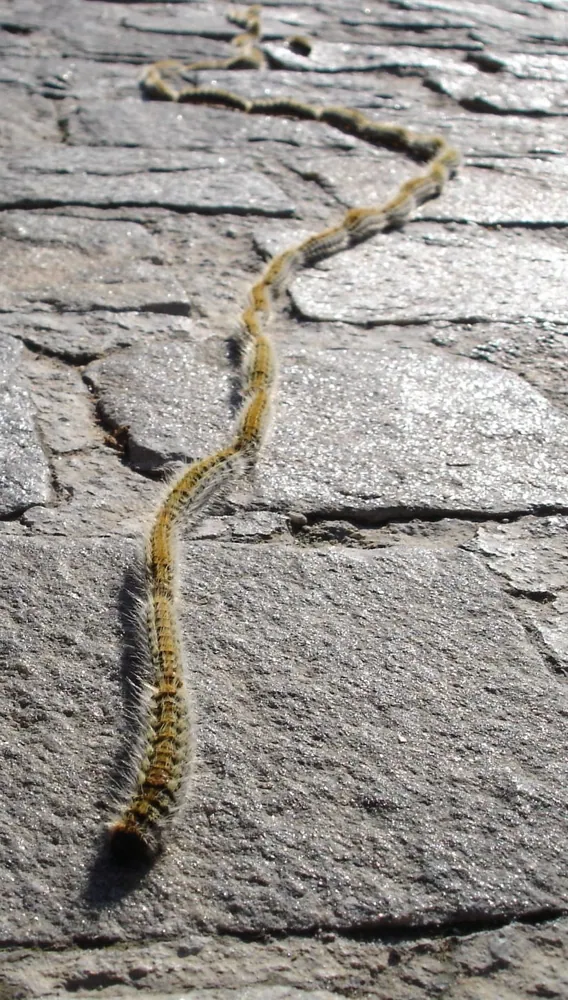
- Caterpillars move in single-file processions, usually at night and when leaving the tree to pupate.1
- Adults have predominantly light brown forewings with brown markings and white hindwings.1
- Adult males have a crescent marking on the wings and are larger than the oak processionary.1
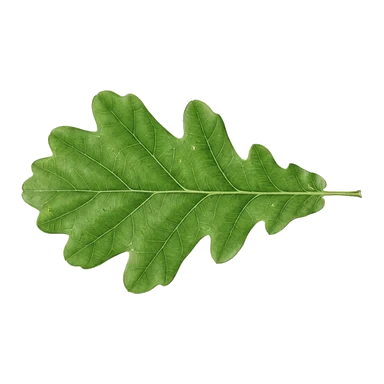
Συχνά μπερδεύεται με: The oak processionary (Thaumetopoea processionea) is smaller as an adult, has an indistinct wing marking rather than a crescent, and lives in broad-leaved rather than coniferous forests. The pale eggar moth has no crescent marking on its wings.1
Δύναμη δηλητηρίου
Μικροσκοπικές τρίχες ή αγκαθάκια σπάνε μέσα στο δέρμα και τσιμπάνε.
Τι κάνει το δηλητήριό του όταν δαγκώνει ή τσιμπάει;
The species is not venomous. Its caterpillars have hairs containing an irritant chemical called thaumetopoein, which causes skin rashes (urticaria) and eye irritation on contact. Some people may have an allergic reaction. The hairs of fifth-stage larvae can also break off and spread across nearby exposed skin.1
Πόσο επικίνδυνο είναι για τους ανθρώπους;
Κίνδυνος για τους ανθρώπους: ΕπώδυνοΜπορεί να πονέσει πολύ, αλλά σχεδόν ποτέ δεν είναι σοβαρό.Simple contact with the caterpillar hairs can cause severe rashes and eye irritation in humans and other mammals. Some individuals may have an allergic reaction.1
Τι κάνει όταν φοβάται;
When stressed or threatened, fifth-stage caterpillars eject harpoon-shaped hairs that irritate any exposed skin nearby.1
 Αν αγγίξεις τις τρίχες του
- Για τρίχες από κάμπιες που τσιμπάνε: βγάλ' τες με κολλητική ταινία και μετά πλύνε το δέρμα. Μην τρίβεις.
- Για δαγκώματα: πλύνε και δρόσισε. Ζήτα ιατρική βοήθεια αν ο άνθρωπος νιώθει άσχημα ή αιμορραγεί εύκολα.
Πάντα να καλείς πρώτα τον αριθμό έκτακτης ανάγκης (112, 000, 911). Αυτές είναι γενικές οδηγίες πρώτων βοηθειών, όχι ιατρική συμβουλή. Βασικές πρώτες βοήθειες
 Να προσέχεις
- Ποτέ μην αγγίζεις, μην πιάνεις και μην πειράζεις ένα άγριο ζώο, ακόμα κι αν είναι μικρό, και ακόμα κι αν φαίνεται κοιμισμένο ή νεκρό.
- Άφησέ του χώρο. Αν συναντήσεις κάποιο, κράτα την ψυχραιμία σου, κάνε αργά πίσω και άφησέ το να φύγει στον δρόμο του.
- Αν αγγίξεις τις τρίχες του: κράτα την ψυχραιμία σου, μην κουνιέσαι, κάλεσε τον αριθμό έκτακτης ανάγκης (112, 000, 911) ή πήγαινε γρήγορα στο νοσοκομείο. Θυμήσου πώς ήταν, μια φωτογραφία βοηθάει.
Δεν σε κυνηγάει. Χρησιμοποιεί το δηλητήριό του για να πιάσει τροφή ή για να προστατευτεί, και προτιμά πολύ περισσότερο να κρυφτεί. Περισσότερα για την ασφάλεια
Πόσο μεγάλο είναι;
Πόσο μακρύ είναι;
 περίπου όσο μακρύ είναι ένας συνδετήρας
 πιο αργό από ένα σαλιγκάρι του κήπου
Pine processionary: πόσο μεγάλο είναι σε σύγκριση με ΕΣΕΝΑ;
Απλώς μαθηματικά στο πρόγραμμα περιήγησής σου. Τίποτα δεν αποθηκεύεται και δεν στέλνεται πουθενά.
Πόσο γρήγορο είναι;


Στοιχεία
Caterpillars in a procession hold together through touch from the caterpillar in front, which takes priority over the trail pheromone or silk.1
The caterpillars are one of the few temperate-zone insects whose larvae develop through the winter, living in silk nests high in pine trees.1
Adults live for only a single day, during which they mate and lay eggs.1
The Greek physician Dioscorides described the itching caused by this caterpillar in the 1st century AD, and Pliny the Elder recorded a treatment for it.1
Outbreaks are somewhat cyclical, with a period of 7 to 9 years.1
Καταρρίπτω μύθους
Μύθος: Fabre's caterpillars marched in a circle around a flower pot only because they were trapped on its rim.
Αλήθεια: Young caterpillars' circular trails continue for as long as 12 hours even when they are free on a flat surface.1
Για ειδικούς στα δηλητήρια
- Επιστημονική ονομασία
- Thaumetopoea pityocampa
- Ομάδα
- Κάμπιες και έντομα
- Οικογένεια
- Notodontidae2
- Σειρά
- Lepidoptera
- Ήπειροι
- Ευρώπη, Αφρική, Ασία
- Μωρά
- Each female lays an enormous number of eggs near the tops of pine trees, in cylindrical egg masses 4 to 5 cm long covered with scales that mimic pine shoots.1
- Κίνδυνος για τους ανθρώπους
- 2 / 5: Επώδυνο3
Από πού έρχονται τα στοιχεία
- Pine processionary (Wikipedia (CC BY-SA 4.0))
- Thaumetopoea pityocampa (iNaturalist): ονόματα και ταξινόμηση.
- Venom Wiki: το επίπεδο κινδύνου, το τυπικό μέγεθος και η εκτίμηση ταχύτητας είναι δικά μας. Δες πώς τα υπολογίζουμε: Πώς βαθμολογούμε τον κίνδυνο.
Κάθε στοιχείο σε αυτή τη σελίδα έχει έναν αριθμό που δείχνει την πηγή του. Αν κάναμε λάθος, συγγνώμη, είμαστε φαν των ζώων, όχι επιστημονικό περιοδικό. Πες μας στο [email protected] και θα το διορθώσουμε.
 Ο σκορπιός πεινάει! Το Venom Wiki είναι το έργο ενός ανθρώπου: δωρεάν, χωρίς διαφημίσεις και χωρίς ιχνηλάτες. Ένα μικρό φιλοδώρημα βοηθάει να μείνει online.Τάισε τον σκορπιό
Περισσότερα από την ίδια ομάδα: Κάμπιες και έντομα
 Oak processionaryΚάμπιες και έντομαΑπλώς πονάειΜην αγγίζεις
 White-spotted assassin bugΚάμπιες και έντομαΑπλώς πονάει
 Common bombardier beetleΚάμπιες και έντομαΑκίνδυνο
 Asian giant water bugΚάμπιες και έντομαΑπλώς πονάει
 Blue-striped nettle grubΚάμπιες και έντομαΑπλώς πονάειΜην αγγίζεις
 Brown-tail mothΚάμπιες και έντομαΑπλώς πονάειΜην αγγίζεις
Ζει επίσης σε: Ευρώπη
 Common European adderΟχιέςΧρειάζεται γιατρό
 Spanish flyΆλλα δηλητηριώδη ζώαΧρειάζεται γιατρόΜην αγγίζεις
 Common waspΜέλισσες, σφήκες και μεγάλες σφήκεςΑπλώς πονάει
 European hornetΜέλισσες, σφήκες και μεγάλες σφήκεςΑπλώς πονάει
 Fire salamanderΔηλητηριώδεις βάτραχοι, φρύνοι και τρίτωνεςΑπλώς πονάειΜην αγγίζεις
 Western honey beeΜέλισσες, σφήκες και μεγάλες σφήκεςΑπλώς πονάει