
 África
 Asia
Asia Europa
 Sudamérica
 Australia y Oceanía
 Antártida
 Océano Pacífico
 Océano Atlántico
 Océano Índico
 Océano Ártico
 Mar Mediterráneo
 Mar Rojo
 Mar Caribe
 Mar del Coral
 Mar de China Meridional
 Mar de Filipinas
 Mar de Andamán
 Mar del Norte
 Mar de Timor y de Arafura
 Golfo de Bengala
 Golfo de California
Common vampire bat
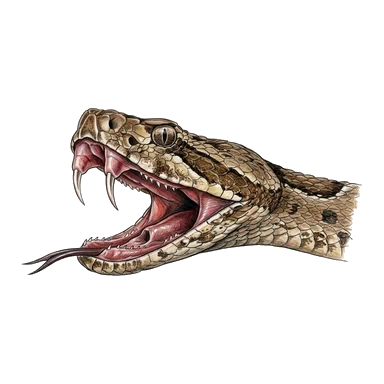 Mordeduras
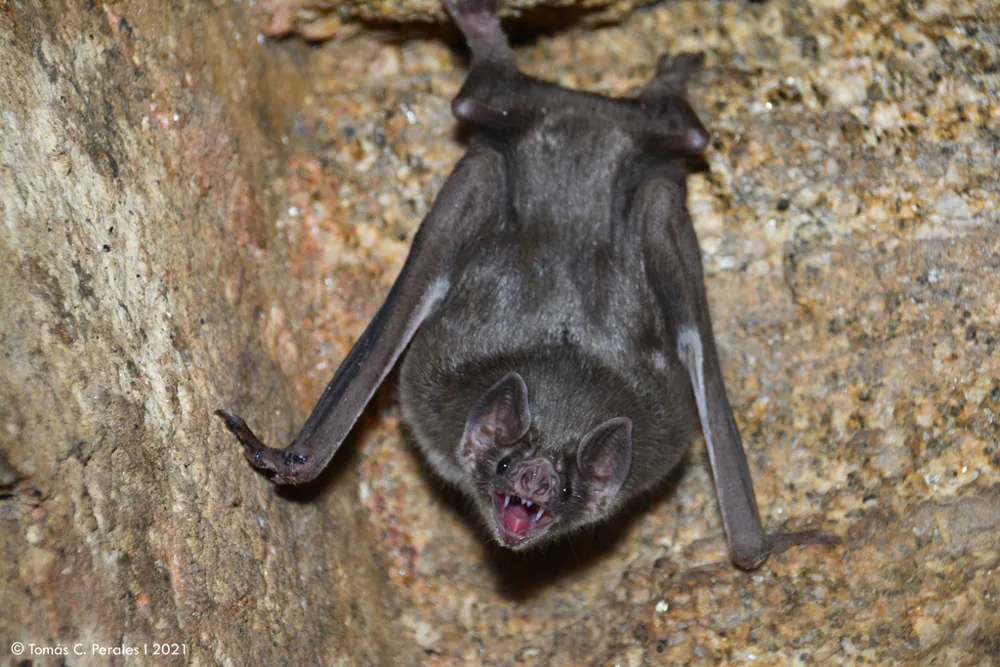
The common vampire bat is a small bat that feeds on the blood of mammals, mostly farm animals such as cattle and horses. It lives in the Americas, from Mexico to Chile and Argentina, and it is one of only three vampire bat species in the world. It matters because it can carry rabies and is considered a pest by farmers.1
 Cómo reconocerlo
- Short-haired fur, silver-grey on the underside and darker on the back1
- Flat, leaf-shaped nose and a deeply grooved lower lip1
- A well-developed, clawed thumb on each wing, longer than in its relatives1
- Average body length of about 9 cm, with an 18 cm wingspan1
- Can run and leap on the ground, using its wings to push forward1
Se confunde a menudo con: The hairy-legged vampire bat and the white-winged vampire bat look very similar. The common vampire bat can be told apart by its longer thumb, and it feeds on mammal blood far more often than the other two, which mostly feed on birds.1
Poder del veneno
El veneno sale por sus colmillos o dientes cuando muerde.
¿Qué peligro tiene para las personas?
Peligro para las personas: DolorosoPuede doler de verdad, pero casi nunca es grave.The bat is a carrier of rabies, and the danger is mostly to livestock rather than to people. Any person who wakes to find a vampire bat in their sleeping quarters should seek medical attention, and young children may not fully wake up during a bite.1
 Si muerde
- Anyone who wakes to find a vampire bat in their sleeping area should get medical attention. Bats should be avoided and not handled, and they should not be kept in living spaces.1
- Lava bien la herida y busca ayuda médica.
Llama siempre primero a tu número de emergencias (112, 000, 911). Esto son pautas generales de primeros auxilios, no consejo médico. Primeros auxilios básicos
 Mantente a salvo
- Nunca toques, atrapes ni molestes a un animal salvaje, aunque sea pequeño y aunque parezca dormido o muerto.
- Déjale espacio. Si te encuentras uno, mantén la calma, retrocede despacio y deja que siga su camino.
- Si te muerde: mantén la calma, no te muevas, llama a tu número de emergencias (112, 000, 911) o ve rápido a un hospital. Recuerda cómo era, una foto ayuda.
No va a por ti. Usa su veneno para cazar o defenderse, y prefiere mil veces esconderse. Más sobre cómo protegerte
¿En qué parte del mundo?
¿Qué tamaño tiene?
¿Cuánto mide?
¿Cuánto pesa?

 mide como 3 piezas de construcción de juguete en fila
 podría cruzar volando un campo de fútbol entero en 19 segundos
¿Qué tamaño tiene Common vampire bat comparado contigo?
Solo cálculos en tu navegador. No se guarda ni se envía nada a ningún sitio.
¿Qué velocidad alcanza?


Datos
Its saliva contains an anticoagulant called Draculin, named after Count Dracula, which keeps the blood from clotting while it feeds.1
A genetically engineered drug based on the anticoagulant in its saliva, called desmoteplase, has been shown to increase blood flow in stroke patients.1
Heat sensors in its nose help it find blood vessels close to the surface of the skin.1
It has the fewest teeth of any bat, and its upper incisors have no enamel, which keeps them sharp.1
Vampire bats share food with each other, and a bat that is well fed will regurgitate blood to a hungry roost-mate, mostly to its own young.1
It hunts at night and can travel 5 to 8 km from its roost to find food.1
Para expertos en veneno
- Nombre científico
- Desmodus rotundus
- Grupo
- Mamíferos venenosos
- Familia
- Phyllostomidae2
- Orden
- Chiroptera
- Continentes
- Norteamérica, Sudamérica
- Crías
- Females give birth to one offspring per pregnancy after a gestation period of about seven months.1
- Cómo le va en la naturaleza
- Least Concern1
- Peligro para las personas
- 2 / 5: Doloroso3
De dónde salen los datos
- Common vampire bat (Wikipedia (CC BY-SA 4.0))
- Desmodus rotundus (iNaturalist): nombres y clasificación.
- Venom Wiki: el nivel de peligro, el tamaño típico y la velocidad estimada son nuestros. Mira cómo los calculamos: Cómo valoramos el peligro.
Cada dato de esta página tiene un número que lleva a su fuente. Si nos hemos equivocado en algo, perdón, somos fans de los animales, no una revista científica. Escríbenos a [email protected] y lo arreglamos.
 ¡El escorpión tiene hambre! Venom Wiki es un proyecto de una sola persona: gratis, sin anuncios y sin rastreadores. Una pequeña propina ayuda a mantenerlo en línea.Alimenta al escorpión
 Cuban solenodon
 Hispaniolan solenodon
 Northern short-tailed shrew
 Hairy-legged vampire bat
 White-winged vampire bat
 Platypus
 Terciopelo
 Eastern coral snake
 Eastern diamondback rattlesnake
 Eyelash viper
 Timber rattlesnake
 Western diamondback rattlesnake