
 África
 Asia
Asia Europa
 Sudamérica
 Australia y Oceanía
 Antártida
 Océano Pacífico
 Océano Atlántico
 Océano Índico
 Océano Ártico
 Mar Mediterráneo
 Mar Rojo
 Mar Caribe
 Mar del Coral
 Mar de China Meridional
 Mar de Filipinas
 Mar de Andamán
 Mar del Norte
 Mar de Timor y de Arafura
 Golfo de Bengala
 Golfo de California
Hawksbill sea turtle
 Tóxico si se come
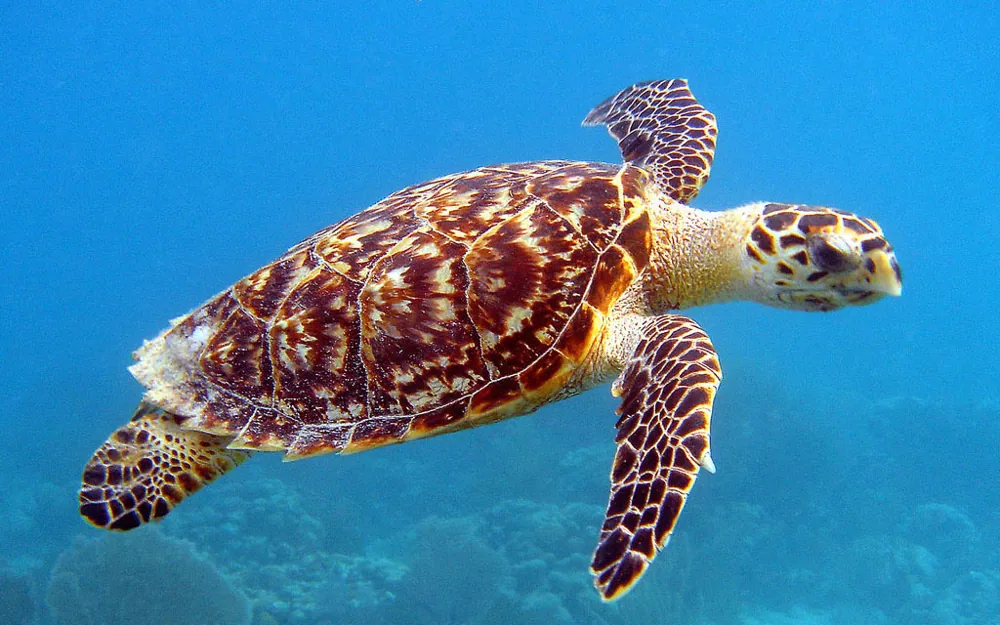
The hawksbill sea turtle is a sea turtle with a sharp, hooked beak and a shell with a saw-edged rear. It lives mainly in warm tropical reefs in the Atlantic, Indian and Pacific Oceans. It is critically endangered, and its flesh can become toxic to eat.1


 Cómo reconocerlo
- Sharp, curving, hooked beak-like mouth1
- Shell edge at the rear looks serrated, like a saw or steak knife1
- Shell has an amber background with light and dark streaks, and black or mottled-brown colours at the sides1
- Two visible claws on each front flipper1
- Shell colour changes slightly with water temperature1
Poder tóxico
Solo es dañino si algo se lo come.
¿Qué peligro tiene para las personas?
Peligro para las personas: Muy peligrosoPuede matar a una persona que no recibe tratamiento.The main risk to people is from eating its flesh, which can become toxic after the turtle eats venomous cnidarians (jellyfish-like animals). The sources give no figures for illness or deaths.1
¿Qué hace cuando se asusta?
It uses its strong shell to squeeze into tight spaces in reefs, and it may seek places where it can camouflage or hide from predators.1
 Si alguien lo tocó o se lo comió
- Si alguien se lo comió o tiene síntomas después de comerlo: llama enseguida a tu número de emergencias o al centro de toxicología.
Llama siempre primero a tu número de emergencias (112, 000, 911). Esto son pautas generales de primeros auxilios, no consejo médico. Primeros auxilios básicos
 Mantente a salvo
- Nunca toques, atrapes ni molestes a un animal salvaje, aunque sea pequeño y aunque parezca dormido o muerto.
- Déjale espacio. Si te encuentras uno, mantén la calma, retrocede despacio y deja que siga su camino.
- Si lo tocaste o te lo comiste: no te frotes los ojos ni la boca, lávate las manos y busca ayuda médica.
No va a por ti. Su veneno solo está ahí para que nadie se lo coma. Más sobre cómo protegerte
¿En qué parte del mundo?
¿Qué tamaño tiene?
¿Cuánto mide?
¿Cuánto pesa?

 mide como 2 gatos domésticos de la nariz a la cola
 mide como 6 plátanos puestos en fila
 podría nadar el largo de una piscina grande (50 m) en 7,5 segundos
¿Qué tamaño tiene Hawksbill sea turtle comparado contigo?
Solo cálculos en tu navegador. No se guarda ni se envía nada a ningún sitio.
¿Qué velocidad alcanza?

Datos
It is biofluorescent and is the first reptile recorded with this trait, meaning it glows under certain light.1
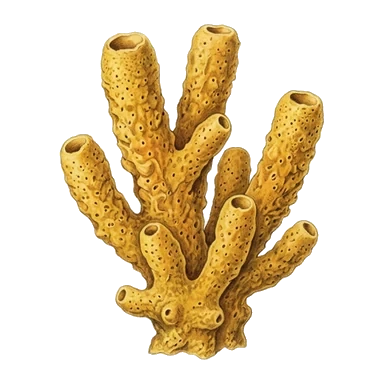
Some sponges it eats are highly toxic to other animals, and it can eat them without harm.1
It closes its unprotected eyes when feeding on stinging animals, and the Portuguese man o' war's stinging cells cannot pierce its armoured head.1
Sponges make up most of its food, which makes it the only primarily sponge-eating reptile among sea turtles.1
Its shell was the main source of tortoiseshell used for decorative items.1
In the eastern Pacific, it nests and feeds mainly in mangrove estuaries rather than on reefs.1
Para expertos en veneno
- Nombre científico
- Eretmochelys imbricata
- Grupo
- Otros animales tóxicos
- Familia
- Cheloniidae2
- Orden
- Testudines
- Continentes
- Océano Pacífico, Océano Atlántico, Océano Índico, Mar Rojo, Mar Caribe, Mar del Coral, Mar de China Meridional, Mar de Filipinas, Golfo de México, Mar de Andamán, Mar Arábigo y golfo Pérsico, Mar de Timor y de Arafura, Golfo de Bengala, Golfo de California, Los océanos
- Crías
- Hawksbills nest on beaches, and young hatch from the nests. In 2018, around 120 juveniles recently hatched at Pulau Satumu, Singapore.1
- Cómo le va en la naturaleza
- Critically endangered1
- Peligro para las personas
- 4 / 5: Muy peligroso3
De dónde salen los datos
- Hawksbill sea turtle (Wikipedia (CC BY-SA 4.0))
- Eretmochelys imbricata (iNaturalist): nombres y clasificación.
- Venom Wiki: el nivel de peligro, el tamaño típico y la velocidad estimada son nuestros. Mira cómo los calculamos: Cómo valoramos el peligro.
Cada dato de esta página tiene un número que lleva a su fuente. Si nos hemos equivocado en algo, perdón, somos fans de los animales, no una revista científica. Escríbenos a [email protected] y lo arreglamos.
 ¡El escorpión tiene hambre! Venom Wiki es un proyecto de una sola persona: gratis, sin anuncios y sin rastreadores. Una pequeña propina ayuda a mantenerlo en línea.Alimenta al escorpión
Más del mismo grupo: Otros animales tóxicos
 Pez globo tigreOtros animales tóxicosMortal
 Greenland sharkOtros animales tóxicosSolo duele
 Silver-cheeked toadfishOtros animales tóxicosMortal
 Blackspotted pufferOtros animales tóxicosPuede matar
 White-spotted pufferOtros animales tóxicosPuede matar
 Long-spine porcupinefishOtros animales tóxicosNecesita médico
También vive en: Océano Pacífico
 Avispa de marMedusas y picadores marinosMortalNo tocar
 Cono geógrafoCaracoles cono y pulposMortal
 Pulpo de anillos azules mayorCaracoles cono y pulposMortal
 Pulpo de anillos azules del surCaracoles cono y pulposMortal
 Irukandji jellyfishMedusas y picadores marinosPuede matarNo tocar
 Reef stonefishPeces venenososPuede matarNo tocar