
 Afrika
 Asia
Asia Europa
 Hego Amerika
 Australia eta Ozeania
 Antartika
 Ozeano Barea
 Ozeano Atlantikoa
 Ozeano Indikoa
 Ozeano Artikoa
 Mediterraneo itsasoa
 Itsaso Gorria
 Karibe itsasoa
 Koralen itsasoa
 Hego Txinako itsasoa
 Filipinetako itsasoa
 Andaman itsasoa
 Ipar itsasoa
 Timor eta Arafura itsasoak
 Bengalako golkoa
 Kaliforniako golkoa
Brown widow
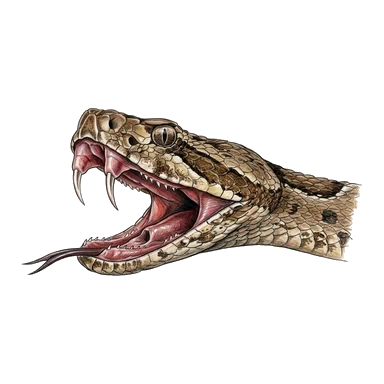 Koska
KoskaThe brown widow is a spider in the widow family, a close cousin of the black widow. It lives in many parts of the world, often around houses and buildings. Its bite is painful but usually not dangerous.1
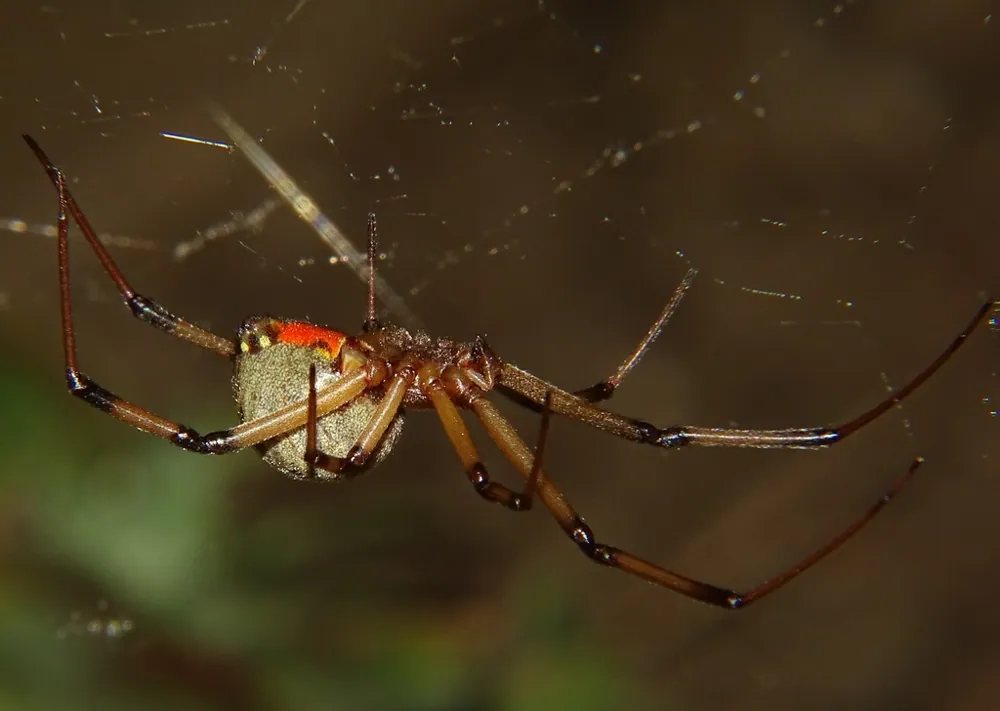
 Nola ezagutu
- Black and white geometric pattern on the top of the abdomen1
- Usually a bright orange or yellowish hourglass marking on the underside of the abdomen1
- Body colour ranges from tan and dark brown to black, with shades of grey also possible1
- Stripes on the legs1
- Egg sacs are spiky, like a sandspur, and sometimes described as tufted, fluffy or spiky1
Askotan honekin nahasten da: The black widow is slightly larger and darker, and has a red hourglass on the underside. The brown widow is lighter, has an orange or yellow hourglass, and has a black and white pattern on top of the abdomen that the black widow does not have. In southern Africa, the brown widow's relative L. rhodesiensis, native to Zimbabwe, is also called a brown button spider.1
Pozoi-ahalmena
Pozoia letaginetatik edo hortzetatik ateratzen da kosk egiten duenean.
Zer egiten du bere pozoiak?
Like all widow spiders, the brown widow has a neurotoxic venom, which attacks the nerves. It causes latrodectism, a set of very unpleasant symptoms. The effects are usually confined to the bite area and the tissue around it.1
Zein arriskutsua da pertsonentzat?
Arriskua pertsonentzat: MingarriaBenetan min handia eman dezake, baina ia inoiz ez da larria.Brown widow bites are usually not very dangerous, and are much less dangerous than black widow bites. The spider cannot deliver as much venom as a black widow, so its bites are considered minor. They are painful.1
 Kosk egiten badu
- Garbitu koska eta jarri izotz-poltsa bat gainean minerako. Lortu mediku-laguntza mina handia bada, zabaltzen bada edo pertsona gaizki sentitzen bada.
Deitu beti lehenik zure larrialdi-zenbakira (112, 000, 911). Lehen sorospenei buruzko orientabide orokorra da hau, ez mediku-aholkua. Lehen sorospenen oinarriak
 Egon seguru
- Ez ukitu, ez harrapatu eta ez zirikatu inoiz animalia basati bat, txikia izan arren, eta lo edo hilda dagoela badirudi ere.
- Utzi tartea. Bat aurkitzen baduzu, egon lasai, egin atzera poliki eta utzi bere bidetik joaten.
- Batek kosk egiten badizu: egon lasai, egon geldi, deitu zure larrialdi-zenbakira (112, 000, 911) edo joan ospitalera azkar. Gogoratu nolakoa zen, argazki batek laguntzen du.
Ez dabil zure atzetik. Pozoia janaria harrapatzeko edo bere burua babesteko erabiltzen du, eta askoz nahiago du ezkutatu. Seguru egoteari buruz gehiago
Munduko zein tokitan?
Zein handia da?
Zein luzea da?
 klip bat bezain luzea, gutxi gorabehera
Zein handia da Brown widow ZUREKIN alderatuta?
Matematika hutsa zure nabigatzailean. Ez da ezer gordetzen, ezta inora bidaltzen ere.
Zein azkarra da?


Datuak
In Southern California, researchers suggest the brown widow may be pushing black widows out of the area by competing and fighting for territory.1
Its egg sacs are so spiky that they are easy to tell apart from those of most other spiders.1
A female can make up to 20 egg sacs over her lifetime, with 120 to 150 eggs in each.1
Brown widows are preyed upon by wasps, including blue mud-dauber wasps and digger wasps.1
Mito-hauslea
Mitoa: The brown widow is as dangerous as the black widow.
Egia: Brown widow bites are usually not very dangerous and are much less dangerous than black widow bites.1
Pozoi-adituentzat
- Izen zientifikoa
- Latrodectus geometricus
- Taldea
- Armiarmak
- Familia
- Theridiidae2
- Ordena
- Araneae
- Kontinenteak
- Afrika
- Kumeak
- Eggs hatch in about 20 days. Each female lays about 120 to 150 eggs per sac and can make up to 20 sacs in her lifetime.1
- Nola dagoen naturan
- Least Concern (South African National Biodiversity Institute)1
- Arriskua pertsonentzat
- 2 / 5: Mingarria3
Datuak nondik datozen
- Latrodectus geometricus (Wikipedia (CC BY-SA 4.0))
- Latrodectus geometricus (iNaturalist): izenak eta sailkapena.
- Venom Wiki: arrisku-maila, ohiko tamaina eta abiadura-kalkulua geureak dira. Ikusi nola kalkulatzen ditugun: Nola baloratzen dugun arriskua.
Orrialde honetako datu bakoitzak zenbaki bat du, bere iturrira eramaten zaituena. Zerbait gaizki badugu, barkatu, animalien zaleak gara, ez zientzia-aldizkari bat. Esaiguzu [email protected] helbidean eta konponduko dugu.
 Eskorpioia gose da! Venom Wiki pertsona bakar baten proiektua da: doakoa, iragarkirik eta jarraitzailerik gabe. Eskupeko txiki batek sarean mantentzen laguntzen du.Elikatu eskorpioia
 Mediterranean black widow
 Six-eyed sand spider
 Noble false widow
 Darwin's bark spider
 Wasp spider
 Black button spider
 Black mamba
 Deathstalker
 Egyptian cobra
 Puff adder
 Boomslang
 Fat-tailed scorpion