
 Afrik
Afrik Aazi
Aazi Orop
Orop Amerik Worgo
 Ostaraali e Oseyaani
 Antarktik
 Geec Pasifik
 Geec Atlantik
 Geec Enndo
 Geec Arktik
 Geec Mediteraane
 Geec Boɗeejo
 Geec Karayib
 Geec Korayl
 Geec Siin Worgo
 Geec Filipiin
 Geec Andaman
 Geec Rewo
 Geec Timor e Arafura
 Gulf Bengal
 Gulf Kaliforni
Queensland whistling tarantula
 Ŋatgol
The Queensland whistling tarantula is a large, shy spider from the east coast of Queensland in Australia. It is the largest spider in Australia, and it makes a hissing sound when it feels threatened. Its bite is venomous, but it is not fatal to people.1


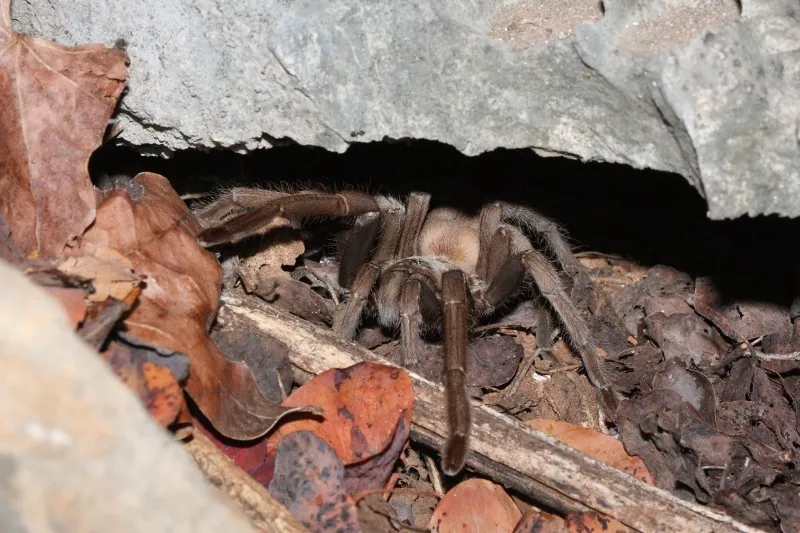
 No anndirte ngal
Doole tooke
Tooke ngal ina yaltira ñiiƴe mum so ina ŋata.
Hol ko tooke ŋatgol mum waɗata?
It has venomous fangs up to 1 cm long. A bite can cause up to six hours of vomiting in people. In a 2010 case, a scientist bitten on a finger had intense pain, and the finger and hand became swollen and very sensitive within one hour. The swelling and pain were limited to the hand and lower arm, and eased after 26 hours. The venom can kill a dog or cat within thirty minutes.1
Hol no bone mum heewiri e yimɓe?
Bone e yimɓe: MuusɗoIna waawi muusde sanne, kono hertaani wonde huunde mawnde.The bite is not fatal to humans. It can cause severe pain, swelling and up to six hours of vomiting. The venom can cause death in dogs and cats within thirty minutes.1
Hol ko ngal waɗata so ina hula?
When provoked, it makes a hissing noise by rubbing a patch of hairs (setae) on its chelicerae, which are its mouthparts.1
 So ina ŋata
- Loot nokku ŋataaɗo oo, ɓuuɓnu mo. Heɓ ballal cafrol so muusu ngu ina tiiɗi walla neɗɗo oo ina wiya wonaa e jam.
- E Ostaraali, jogo kala ŋatgol araañe ɓaleejo mawɗo no ŋatgol funnel-web: Habbugol ɗiwɗiingol (immobilisation): taarnu bando elastik tiiɗɗo e dow nokku ŋataaɗo, refti yawnu e dow terɗe ndee fof, haɓɓu attel, haɗ neɗɗo oo dillaade fey haa ballal hewta.
Adii fof noddu nimero urgence (112, 000, 911). Ɗum ko anndinal ballal adiingal, wonaa saaraangal doktoor. Ko adii e ballal adiingal
 Reen hoore maa
- Wota a meem, wota a nanngu, wota a ñiŋŋu kullal ladde haa abada, hay so ngal ina famɗi, hay so ina nanndi e ɗaaniingal walla maayngal.
- Accu ngal nokku. So a fotti e ngal, deƴƴu, ruttu ɓaawo seeɗa seeɗa, accu ngal yaha laawol mum.
- So gooto ŋatii ma: deƴƴu, wota a dillu, noddu nimero urgence (112, 000, 911) walla yahu opitaal law. Jogo e hakkille no ngal nanndi, natal ina walla.
Ngal faalaaka gaañde ma. Ina huutoroo tooke mum ngam nanngude ñaamdu walla reenaade, ina ɓuri yiɗde suuɗaade. Ɓeydu anndude no reentortoo
Hol to e aduna?
Hol no mawniri?
Hol no juutiri?
 juutde no kaaɗe mahirɗe 7 ɗaɓɓondiraaɗe
 ina waawi taƴde 100 meeteer e segonde 170 (neɗɗo ɓurɗo yaawde ina sokli 9,6)
Hol no Queensland whistling tarantula mawniri, so fooɗondiraama e AN?
Limgal tan e navigatoor maa. Alaa ko danndetee walla ko neldetee.
Hol no yaawiri?


Humpito
It is often called the barking spider because of the hissing sound it makes when approached.1
It is the largest spider in Australia, and its body can be up to 9 cm long.1
Adults dig silk-lined burrows up to 2 metres long, with a side tunnel leading up to an air pocket chamber that can last a few days.1
Females can live up to thirty years, while males live up to eight years.1
Many of these spiders are taken from the wild, often illegally, which threatens the wild population.1
It is a fast-growing spider and is widely sought after as a pet.1
Feññinoowo fenaande
Fenaande: It is a bird-eating spider.
Goonga: This nocturnal ground dweller is not likely to ever encounter or feed on birds. It mainly eats insects, other spiders, and small animals such as geckos, skinks and frogs.1
Ɗo humpito iwri
- Selenocosmia crassipes (Wikipedia (CC BY-SA 4.0))
- Selenocosmia crassipes (iNaturalist): inɗe e ceergal.
- Venom Wiki: tolno bone, mawnude heewnde e miijo yaawde ko amen. Yiy no men keɓirta ɗum: No men tolnirta bone.
Kala humpito e ngoo hello ina jogii limoore hollirnde iwdi mum. So men juumii, yaafo, men ko yiɗɓe kulle, wonaa jaaynde ganndal. Wiy men e [email protected], men feewnita.
 Yaare nden ina weelaa! Venom Wiki ko golle neɗɗo gooto: yoɓetaake, alaa ko jeeyetee, alaa rewɓe. Ndokkal seeɗa ina walla ngam heddude e enternet.Ñaam yaare nden
Goɗɗe e nder fedde wootere: Taranteel e funnel-web
 Araañe funnel-web SidneeTaranteel e funnel-webBareejo
 Northern tree-dwelling funnel-web spiderTaranteel e funnel-webBareejo
 Red-headed mouse spiderTaranteel e funnel-webIna sokli doktoor
 Blue Mountains funnel-web spiderTaranteel e funnel-webIna waawi warde
 Darling Downs funnel-web spiderTaranteel e funnel-webIna waawi warde
 Illawarra funnel-web spiderTaranteel e funnel-webIna waawi warde
 Taipan daande geec
 Death adder heewndi
 Mboddi ooleeri fuɗnaange
 Taypan pellital
 Laddeewu Tiger
 Redback spider