
 África
 Asia
Asia Europa
 América do Sur
 Australia e Oceanía
 Antártida
 Océano Pacífico
 Océano Atlántico
 Océano Índico
 Océano Glacial Ártico
 Mar Mediterráneo
 Mar Vermello
 Mar Caribe
 Mar do Coral
 Mar da China Meridional
 Mar de Filipinas
 Mar de Andamán
 Mar do Norte
 Mar de Timor e de Arafura
 Golfo de Bengala
 Golfo de California
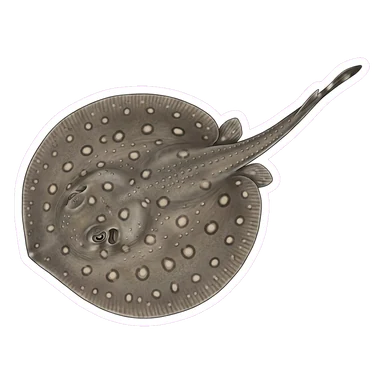
Bat ray
 Pica
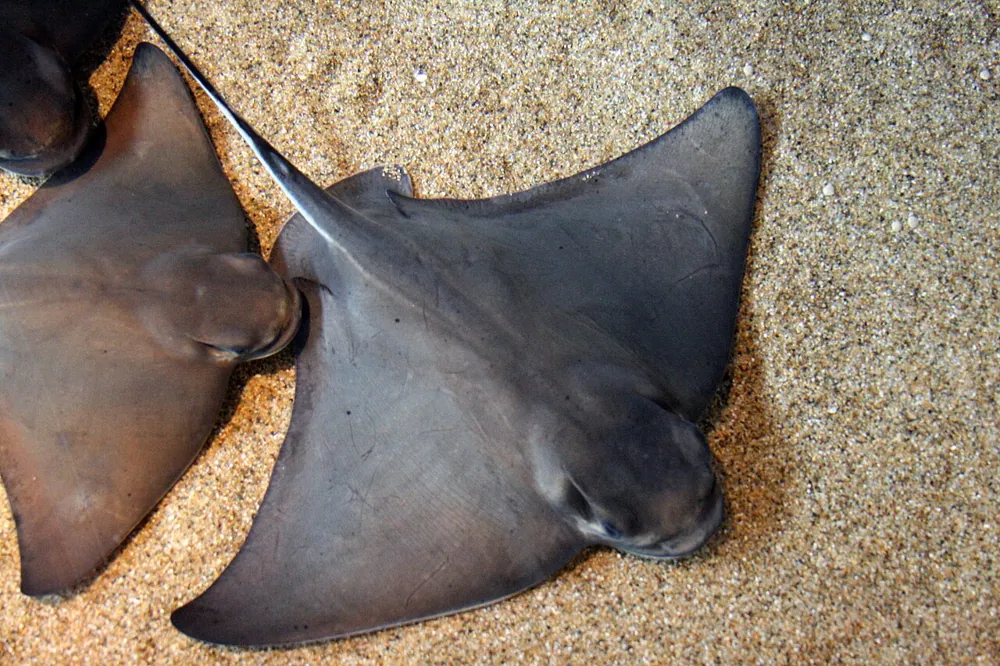
PicaThe bat ray is a flat, diamond-shaped fish related to sharks, with wing-like fins that it flaps to swim. It lives in shallow coastal waters from central Oregon in the USA down to the Gulf of California in Mexico, and around the Galápagos Islands. It has a venomous spine near the base of its tail, but it uses it only when it feels threatened.1
 Como recoñecelo
- Diamond-shaped body, with wing-like pectoral fins that end in blunt points1
- Broad head raised higher than the fins, with eyes set on the sides of the head1
- Dark back, black or dark brown, with a white underside1
- Whip-like tail with at least one venomous spine at its base1
- Usually two small cephalic horns (projections from the front of the head) used for pushing food into the mouth1
Poder da pezoña
A pezoña sae por un ferrete.
Que perigoso é para as persoas?
Perigo para as persoas: DolorosoPode doer moito, pero case nunca é grave.The bat ray is not considered dangerous to people. It uses its venomous tail spine only when it is attacked or frightened.1
Que fai cando ten medo?
The bat ray camouflages itself in the sand and uses its tail spine only when attacked or frightened.1
 Se pica
- Mete a ferida en auga quente, tan quente como a persoa poida aguantar sen queimarse (próbaa coa túa propia man), durante 30 a 90 minutos. Busca axuda médica, sobre todo no caso dos peixes pedra e das raias con ferrete.
Chama sempre primeiro ao teu número de emerxencias (112, 000, 911). Isto son consellos xerais de primeiros auxilios, non consello médico. Primeiros auxilios básicos
 Mantente a salvo
- Nunca toques, collas nin molestes un animal salvaxe, aínda que sexa pequeno e aínda que pareza durmido ou morto.
- Déixalle espazo. Se atopas un, mantén a calma, recúa amodo e déixao ir polo seu camiño.
- Se un te pica: mantén a calma, non te movas, chama ao teu número de emerxencias (112, 000, 911) ou vai rápido a un hospital. Lembra como era, unha foto axuda.
Non vai a por ti. Usa a súa pezoña para cazar comida ou para defenderse, e prefire con moito agocharse. Máis sobre como estar a salvo
En que lugar do mundo?
Que tamaño ten?
Canto mide?
Canto pesa?

 mide coma 4 gatos domésticos do fociño á cola
 mide coma 10 bananas postas en fila
 podería nadar o longo dunha piscina grande (50 m) en 8,2 segundos
Que tamaño ten Bat ray comparado CONTIGO?
Só son contas no teu navegador. Non se garda nin se envía nada a ningures.
Que rápido é?


Datos
Bat rays dig pits in the seabed that can be up to 4 m long, and small fish gather to eat the creatures the rays expose.1
The bat ray's young are born with the spine's sheath, which falls off within hours of birth.1
Bat rays can grow to a wingspan of 1.8 m, and the largest individuals weigh about 91 kg.1
Some bat rays live alone, while others form schools of thousands.1
Bat rays have teeth that are replaced continuously, as is the case with all elasmobranchs (sharks, rays and their relatives).1
Desmontamitos
Mito: Bat rays are dangerous to people because of their venomous spine.
Verdade: Bat rays are not considered dangerous. They use the spine only when attacked or frightened, and people can avoid it by shuffling their feet when walking through shallow sand.1
Para expertos en pezoñas
- Nome científico
- Myliobatis californica
- Grupo
- Peixes pezoñentos
- Familia
- Myliobatidae2
- Orde
- Myliobatiformes
- Continentes
- Océano Pacífico, Golfo de California, Os océanos
- Crías
- Bat rays are ovoviviparous, so the eggs hatch inside the mother and the young are born live. A litter has two to ten pups, which are born tail first with their fins wrapped around their bodies.1
- Esperanza de vida
- uns 23 anos1
- Como lle vai na natureza
- Least Concern1
- Perigo para as persoas
- 2 / 5: Doloroso3
De onde veñen os datos
- Bat ray (Wikipedia (CC BY-SA 4.0))
- Myliobatis californica (iNaturalist): nomes e clasificación.
- Venom Wiki: o nivel de perigo, o tamaño típico e a velocidade estimada son nosos. Mira como os calculamos: Como valoramos o perigo.
Cada dato desta páxina ten un número que leva á súa fonte. Se nos equivocamos nalgo, sentímolo, somos fans dos animais, non unha revista científica. Dínolo en [email protected] e arranxarémolo.
 O escorpión ten fame! Venom Wiki é un proxecto dunha soa persoa: gratis, sen anuncios e sen rastrexadores. Unha pequena propina axuda a mantelo en liña.Dálle de comer ao escorpión
Máis do mesmo grupo: Peixes pezoñentos
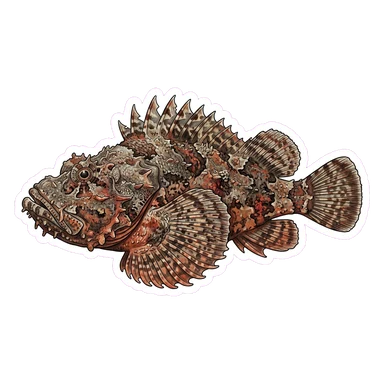
 Reef stonefishPeixes pezoñentosPode matarNon tocar
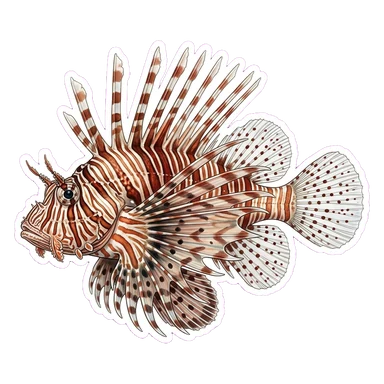
 Red lionfishPeixes pezoñentosPrecisa un médicoNon tocar
 Estuarine stonefishPeixes pezoñentosPode matarNon tocar
 Short-tail stingrayPeixes pezoñentosPode matar
 Striped eel catfishPeixes pezoñentosPode matarNon tocar
 Bluespotted ribbontail rayPeixes pezoñentosPrecisa un médico
Tamén vive en: Océano Pacífico
 Australian box jellyfishMedusas e outros picadores do marMortalNon tocar
 Geography coneCaracois cono e polbosMortal
 Greater blue-ringed octopusCaracois cono e polbosMortal
 Japanese pufferfishOutros animais velenososMortal
 Southern blue-ringed octopusCaracois cono e polbosMortal
 Hawksbill sea turtleOutros animais velenososPode matar