
 Afirka
 Asiya
Asiya Turai
Turai Kudancin Amurka
 Ostareliya da Oceania
 Antatika
 Tekun Pasifik
 Tekun Atlantika
 Tekun Indiya
 Tekun Arctic
 Bahar Rum
 Bahar Maliya
 Tekun Caribbean
 Tekun Coral
 Tekun Kudancin China
 Tekun Philippines
 Tekun Andaman
 Tekun Arewa
 Tekun Timor da Arafura
 Gaɓar Tekun Bengal
 Gaɓar Tekun California
Pine processionary
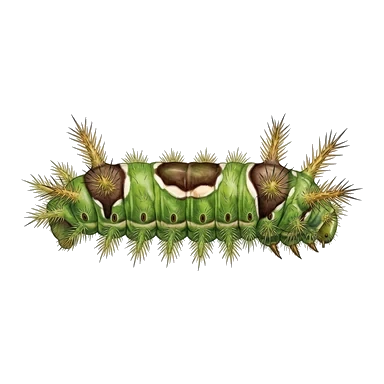 Gashi masu harbi
The pine processionary is a moth whose caterpillars are famous for marching in long, nose-to-tail lines through pine woods. Their hairs cause painful rashes and eye irritation, and they can strip the needles from whole trees. It lives around the Mediterranean and is spreading north.1
 Yadda za ka gane shi
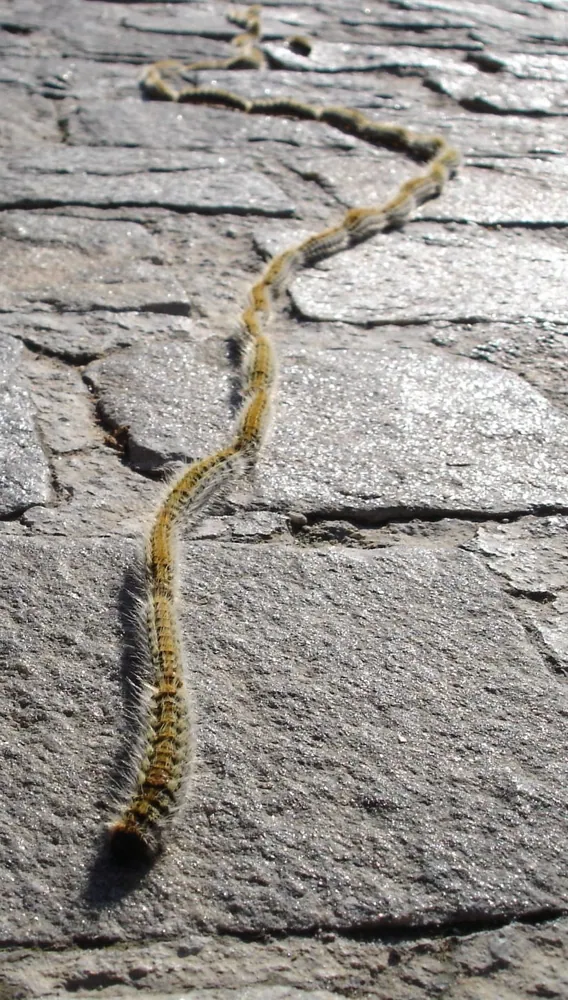
- Caterpillars are orange-brown and hairy, with blue bands.1
- Large silken nests in pine trees, often with several in one tree and signs of stripped needles.1
- Caterpillars move in single-file processions, usually at night and when leaving the tree to pupate.1
- Adults have predominantly light brown forewings with brown markings and white hindwings.1
- Adult males have a crescent marking on the wings and are larger than the oak processionary.1
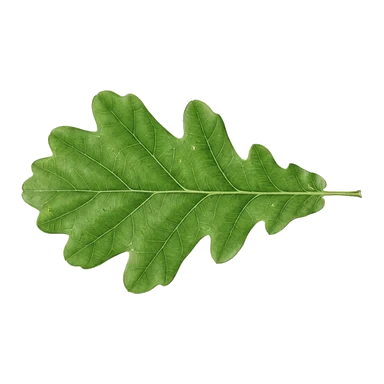
Ana yawan rikita shi da: The oak processionary (Thaumetopoea processionea) is smaller as an adult, has an indistinct wing marking rather than a crescent, and lives in broad-leaved rather than coniferous forests. The pale eggar moth has no crescent marking on its wings.1
Ƙarfin dafi
Ƙananan gashi ko ƙaya suna karyewa a cikin fata kuma suna harbi.
Me dafinsa yake yi?
The species is not venomous. Its caterpillars have hairs containing an irritant chemical called thaumetopoein, which causes skin rashes (urticaria) and eye irritation on contact. Some people may have an allergic reaction. The hairs of fifth-stage larvae can also break off and spread across nearby exposed skin.1
Yaya haɗarinsa yake ga mutane?
Haɗari ga mutane: Mai raɗaɗiYana iya yin ciwo sosai, amma kusan bai taɓa zama mai tsanani ba.Simple contact with the caterpillar hairs can cause severe rashes and eye irritation in humans and other mammals. Some individuals may have an allergic reaction.1
Me yake yi idan ya ji tsoro?
When stressed or threatened, fifth-stage caterpillars eject harpoon-shaped hairs that irritate any exposed skin nearby.1
 Idan ka taɓa gashinsa
- Don gashin tsutsa mai harbi: ka cire su da tef mai liƙi, sannan ka wanke fatar. Kada ka goga.
- Don cizo: ka wanke kuma ka sanyaya. Ka nemi taimakon likita idan mutumin bai ji daɗi ba ko yana zubar da jini cikin sauƙi.
Kullum ka fara kiran lambar gaggawa (112, 000, 911). Wannan jagorar agajin gaggawa ce ta gaba ɗaya, ba shawarar likita ba. Muhimman abubuwan agajin gaggawa
 Kiyaye lafiya
- Kada ka taɓa, kada ka kama, kada ka tsokani dabbar daji, ko da ƙarama ce, kuma ko da tana kama da tana barci ko ta mutu.
- Ka ba shi sarari. Idan ka haɗu da ɗaya, ka natsu, ka koma baya a hankali kuma ka bar shi ya bi hanyarsa.
- Idan ka taɓa gashinsa: ka natsu, ka zauna ba motsi, ka kira lambar gaggawarka (112, 000, 911) ko ka je asibiti da sauri. Ka tuna yadda yake, hoto yana taimakawa.
Ba ya neman cutar da kai. Yana amfani da dafinsa don kama abinci ko don kare kansa, kuma ya fi son ya ɓuya. Ƙarin bayani game da kiyaye lafiya
Yaya girmansa yake?
Yaya tsawonsa yake?
 kusan tsawon kilif ɗin takarda
 ya fi katantanwar lambu jinkiri
Yaya girman Pine processionary yake idan aka kwatanta da KAI?
Lissafi ne kawai a cikin burauzarka. Ba a adana komai ko a aika ko'ina.
Yaya saurinsa yake?


Bayanai
Caterpillars in a procession hold together through touch from the caterpillar in front, which takes priority over the trail pheromone or silk.1
The caterpillars are one of the few temperate-zone insects whose larvae develop through the winter, living in silk nests high in pine trees.1
Adults live for only a single day, during which they mate and lay eggs.1
The Greek physician Dioscorides described the itching caused by this caterpillar in the 1st century AD, and Pliny the Elder recorded a treatment for it.1
Outbreaks are somewhat cyclical, with a period of 7 to 9 years.1
Mai karya tatsuniya
Tatsuniya: Fabre's caterpillars marched in a circle around a flower pot only because they were trapped on its rim.
Gaskiya: Young caterpillars' circular trails continue for as long as 12 hours even when they are free on a flat surface.1
Don ƙwararru a kan dafi
- Sunan kimiyya
- Thaumetopoea pityocampa
- Rukuni
- Tsutsotsi da ƙwari
- Iyali
- Notodontidae2
- Tsari
- Lepidoptera
- Nahiyoyi
- Turai, Afirka, Asiya
- Jarirai
- Each female lays an enormous number of eggs near the tops of pine trees, in cylindrical egg masses 4 to 5 cm long covered with scales that mimic pine shoots.1
- Haɗari ga mutane
- 2 / 5: Mai raɗaɗi3
Inda bayanan suka fito
- Pine processionary (Wikipedia (CC BY-SA 4.0))
- Thaumetopoea pityocampa (iNaturalist): sunaye da rarrabuwa.
- Venom Wiki: matakin haɗari, girman al'ada da ƙiyasin sauri namu ne. Ga yadda muke lissafa su: Yadda muke auna haɗari.
Kowane bayani a wannan shafi yana da lamba da ke nuna tushensa. Idan mun yi kuskure, ka yi haƙuri, mu masoya dabbobi ne, ba mujallar kimiyya ba. Ka gaya mana a [email protected] kuma za mu gyara.
 Kunama tana jin yunwa! Venom Wiki aikin mutum ɗaya ne: kyauta, ba talla kuma ba masu bin diddigi. Ɗan ƙaramin kyauta yana taimakawa wajen ci gaba da kasancewarsa a intanet.Ciyar da kunama
Ƙari daga rukuni ɗaya: Tsutsotsi da ƙwari
 Oak processionaryTsutsotsi da ƙwariCiwo kawaiKada ka taɓa
 White-spotted assassin bugTsutsotsi da ƙwariCiwo kawai
 Common bombardier beetleTsutsotsi da ƙwariMarar lahani
 Asian giant water bugTsutsotsi da ƙwariCiwo kawai
 Blue-striped nettle grubTsutsotsi da ƙwariCiwo kawaiKada ka taɓa
 Brown-tail mothTsutsotsi da ƙwariCiwo kawaiKada ka taɓa
Yana kuma zaune a: Turai
 Common European adderKububuwa da sauran vipersYana buƙatar likita
 Spanish flySauran dabbobi masu gubaYana buƙatar likitaKada ka taɓa
 Common waspƘudan zuma, zanzaro da manyan zanzaroCiwo kawai
 European hornetƘudan zuma, zanzaro da manyan zanzaroCiwo kawai
 Fire salamanderKwaɗi masu guba, toad da newtCiwo kawaiKada ka taɓa
 Western honey beeƘudan zuma, zanzaro da manyan zanzaroCiwo kawai