
 Afrika
 Ázsia
Ázsia Európa
 Dél-Amerika
 Ausztrália és Óceánia
 Antarktisz
 Csendes-óceán
 Atlanti-óceán
 Indiai-óceán
 Északi-sarki-óceán
 Földközi-tenger
 Vörös-tenger
 Karib-tenger
 Korall-tenger
 Dél-kínai-tenger
 Fülöp-tenger
 Andamán-tenger
 Északi-tenger
 Timor-tenger és Arafura-tenger
 Bengáli-öböl
 Kaliforniai-öböl
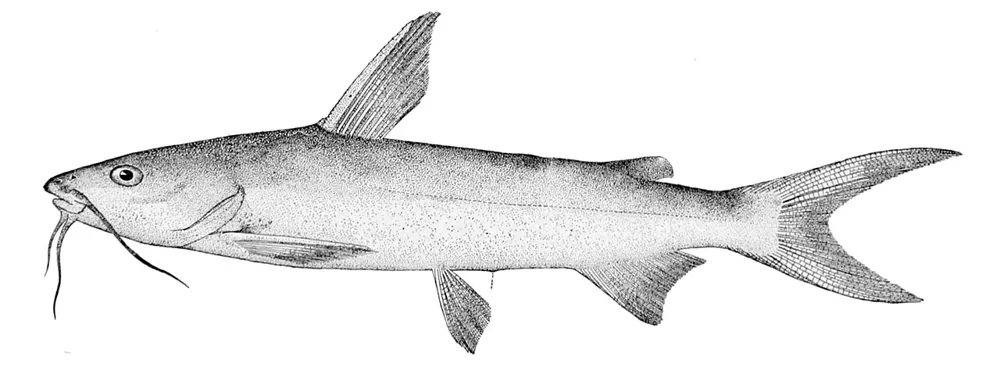
Hardhead catfish
 Mérges tüskék
The hardhead catfish is a sea catfish that lives in shallow coastal waters of the northwest Atlantic and the Gulf of Mexico. It has sharp spines on its fins that can be venomous, so it is one to admire from a distance. Male hardhead catfish also carry their eggs in their mouths until they hatch.1




 Hogyan ismerd fel
- Often dirty grey on top with white underneath.1
- Four barbels (whisker-like feelers) under the chin and two more at the corners of the mouth.1
- A hard, bony plate between the eyes and the dorsal fin.1
- Sharp, barbed, slime-covered spines on the dorsal and pectoral fins. The dorsal spine stands upright when the fish is excited.1
- Typically 25 to 30 cm long, and elongated in shape.1
Gyakran összetévesztik ezzel: The gafftopsail catfish looks very similar. The difference is that its dorsal and pectoral spines have a fleshy extension, like the fore-and-aft topsail of a ship.1
Méregerő
A méreg az éles tüskékben van. Ha rálépsz vagy megfogod, fáj.
Mennyire veszélyes az emberre?
Veszély az emberre: FájdalmasNagyon tud fájni, de szinte soha nem súlyos.No bite or death figures are given. Anglers generally avoid catching it because of the risk from handling the fish and its spines, and because its flesh tastes fishy compared with popular game fish.1
Mit csinál, ha megijed?
When it feels threatened or excited, its dorsal spine stands upright, and its sharp, slime-covered spines are its main defence.1
 Ha a tüskéi megszúrnak
- Tedd a sebet forró vízbe, olyan forróba, amilyet a sérült égési sérülés nélkül kibír (próbáld ki a saját kezeddel), 30-90 percig. Kérj orvosi segítséget, főleg kőhalnál és tüskésrájánál.
Mindig először a segélyhívó számot hívd (112, 000, 911). Ez általános elsősegély-tájékoztató, nem orvosi tanács. Elsősegély alapjai
 Maradj biztonságban
- Soha ne érints meg, ne fogj meg és ne bosszants vadállatot, még ha kicsi is, és még ha alszik vagy döglöttnek tűnik is.
- Hagyj neki helyet. Ha találkozol eggyel, maradj nyugodt, lassan lépj hátra, és hagyd, hogy menjen a maga útján.
- Ha a tüskéi megszúrnak: maradj nyugodt, ne mozogj, hívd a segélyhívó számot (112, 000, 911), vagy juss el gyorsan kórházba. Jegyezd meg, hogyan nézett ki, egy fotó sokat segít.
Nem akar elkapni téged. A mérgét arra használja, hogy élelmet fogjon vagy megvédje magát, és sokkal szívesebben elbújik. Még több a biztonságról
Hol él a világban?
Mekkora?
Milyen hosszú?
Milyen nehéz?
 olyan hosszú, mint 4 banán egymás után
 nagyjából olyan nehéz, mint egy házimacska
 30 másodperc alatt úszná át egy nagy uszoda hosszát (50 m)
Mekkora Hardhead catfish hozzád képest?
Csak matek a böngésződben. Semmit nem mentünk és nem küldünk el sehova.
Milyen gyors?
Tények
Male hardhead catfish are paternal mouthbrooders: they keep the eggs and young in their mouths, and do not feed while doing so.1
Some researchers suggest they may use low-frequency sounds to detect and avoid close obstacles, which is an unusual ability for a fish.1
They can make sounds by vibrating thin bones near the swim bladder, and by grinding their throat teeth or rubbing their pectoral spines. These sounds appear to be a fright response.1
Hardhead catfish respond to chemical alarm signals released by injured members of their own species, with their activity increasing right after the signal. They are the first marine catfish found to show this type of alarm reaction.1
They can live for over 24 years.1
Méregszakértőknek
- Tudományos név
- Ariopsis felis
- Csoport
- Mérges halak
- Család
- Ariidae2
- Rend
- Siluriformes
- Kontinensek
- Atlanti-óceán, Mexikói-öböl, Karib-tenger, Az óceánok
- Kicsinyek
- The male carries the eggs in his mouth until they hatch, which takes roughly 8 to 11 weeks in total. Females have 20 to 65 eggs per spawning.1
- Élettartam
- kb. 24 év1
- Veszély az emberre
- 2 / 5: Fájdalmas3
Honnan származnak a tények
- Hardhead catfish (Wikipedia (CC BY-SA 4.0))
- Ariopsis felis (iNaturalist): nevek és rendszertan.
- Venom Wiki: a veszélyszint, a tipikus méret és a sebességbecslés a saját értékelésünk. Nézd meg, hogyan számoljuk ki: Hogyan értékeljük a veszélyt.
Ezen az oldalon minden tény mellett van egy szám, amely a forrására mutat. Ha valamit elrontottunk, bocsi, mi állatrajongók vagyunk, nem tudományos folyóirat. Írj nekünk ide: [email protected], és kijavítjuk.
 A skorpió éhes! A Venom Wiki egyszemélyes projekt: ingyenes, reklámok és nyomkövetés nélkül. Egy kis borravaló segít, hogy online maradjon.Etesd meg a skorpiót
Még több ugyanebből a csoportból: Mérges halak
 Reef stonefishMérges halakÖlni is tudNe nyúlj hozzá
 Red lionfishMérges halakOrvos kellNe nyúlj hozzá
 Estuarine stonefishMérges halakÖlni is tudNe nyúlj hozzá
 Short-tail stingrayMérges halakÖlni is tud
 Striped eel catfishMérges halakÖlni is tudNe nyúlj hozzá
 Bluespotted ribbontail rayMérges halakOrvos kell
Itt is él:: Atlanti-óceán
 Hawksbill sea turtleMás mérgező állatokÖlni is tud
 Portuguese man o' warMedúzák és tengeri csalánozókOrvos kellNe nyúlj hozzá
 Blue sea dragonKúpcsigák és polipokCsak fáj
 Greenland sharkMás mérgező állatokCsak fáj
 Lion's mane jellyfishMedúzák és tengeri csalánozókCsak fájNe nyúlj hozzá
 Common octopusKúpcsigák és polipokÁrtalmatlan