
 Afrika
 Ázsia
Ázsia Európa
 Dél-Amerika
 Ausztrália és Óceánia
 Antarktisz
 Csendes-óceán
 Atlanti-óceán
 Indiai-óceán
 Északi-sarki-óceán
 Földközi-tenger
 Vörös-tenger
 Karib-tenger
 Korall-tenger
 Dél-kínai-tenger
 Fülöp-tenger
 Andamán-tenger
 Északi-tenger
 Timor-tenger és Arafura-tenger
 Bengáli-öböl
 Kaliforniai-öböl
Marbled spinefoot
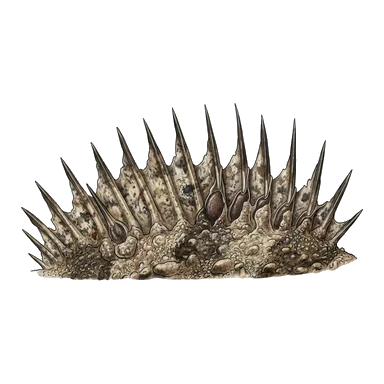 Mérges tüskék
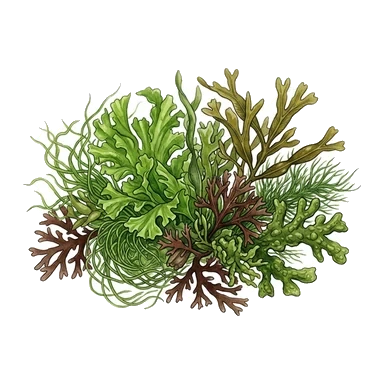
The marbled spinefoot is a shoaling fish that mostly eats algae. It lives in shallow warm seas in the Red Sea and western Indian Ocean, and it has spread into the Mediterranean. Its spines carry venom, so it is one to leave alone.1
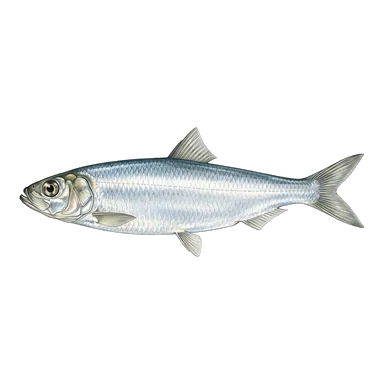
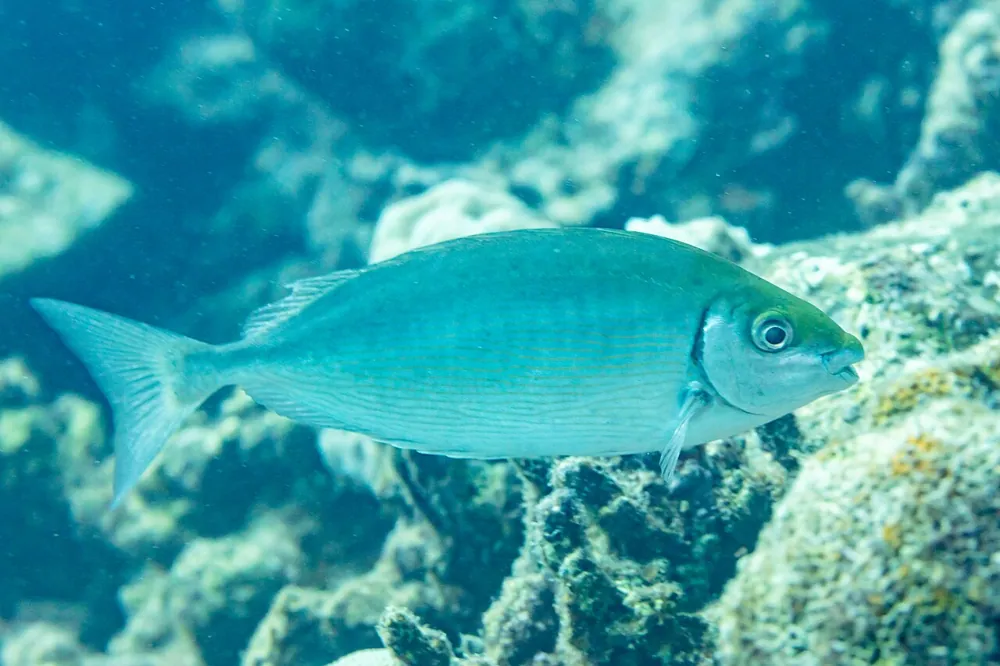
 Hogyan ismerd fel
,_Yeda,_Arabia_Saudita,_2025-05-19,_DD_86.jpg)
Méregerő
A méreg az éles tüskékben van. Ha rálépsz vagy megfogod, fáj.
Mit tesz a mérge?
The spines in the fins have venom glands at their base. The venom is a protein that is damaged by heat. The sting is very painful.1
Mennyire veszélyes az emberre?
Veszély az emberre: FájdalmasNagyon tud fájni, de szinte soha nem súlyos.The spines can inflict a painful sting if the fish is handled incorrectly. No deaths from its venom have been recorded. Separately, poisoning has been recorded in Israel after people ate its flesh, linked to fish caught in polluted water.1
Mit csinál, ha megijed?
Its spines are barbed and venomous, and they can injure anyone who handles the fish carelessly.1
 Ha a tüskéi megszúrnak
- The affected area should be treated with as high a temperature as possible, within 43 to 46 °C, because heat damages the venom. The person should also be checked for possible infection.1
- Tedd a sebet forró vízbe, olyan forróba, amilyet a sérült égési sérülés nélkül kibír (próbáld ki a saját kezeddel), 30-90 percig. Kérj orvosi segítséget, főleg kőhalnál és tüskésrájánál.
Mindig először a segélyhívó számot hívd (112, 000, 911). Ez általános elsősegély-tájékoztató, nem orvosi tanács. Elsősegély alapjai
 Maradj biztonságban
- Soha ne érints meg, ne fogj meg és ne bosszants vadállatot, még ha kicsi is, és még ha alszik vagy döglöttnek tűnik is.
- Hagyj neki helyet. Ha találkozol eggyel, maradj nyugodt, lassan lépj hátra, és hagyd, hogy menjen a maga útján.
- Ha a tüskéi megszúrnak: maradj nyugodt, ne mozogj, hívd a segélyhívó számot (112, 000, 911), vagy juss el gyorsan kórházba. Jegyezd meg, hogyan nézett ki, egy fotó sokat segít.
Nem akar elkapni téged. A mérgét arra használja, hogy élelmet fogjon vagy megvédje magát, és sokkal szívesebben elbújik. Még több a biztonságról
Hol él a világban?
Mekkora?
Milyen hosszú?
 olyan hosszú, mint 2 banán egymás után
 olyan hosszú, mint 12 játék építőkocka egy sorban
 35 másodperc alatt úszná át egy nagy uszoda hosszát (50 m)
Mekkora Marbled spinefoot hozzád képest?
Csak matek a böngésződben. Semmit nem mentünk és nem küldünk el sehova.
Milyen gyors?
Tények
Some people have reported hallucinations after eating it.1
Eating its flesh has caused poisoning, and the toxins involved are similar to ciguatoxin.1
Its spines carry venom from glands at their base, so the fish can sting when it is handled.1
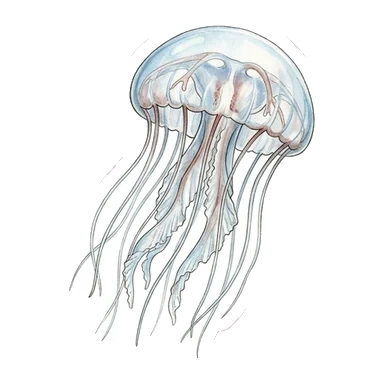
Adults can eat jellyfish, including comb jellies and moon jellyfish, in parts of the northern Red Sea.1
It reached the Mediterranean through the Suez Canal, first recorded off Palestine in 1927.1
It can be bred in captivity and is being studied as a farmed fish because it eats plant-based feed.1
Méregszakértőknek
- Tudományos név
- Siganus rivulatus
- Csoport
- Mérges halak
- Család
- Siganidae2
- Rend
- Acanthuriformes
- Kontinensek
- Indiai-óceán, Vörös-tenger, Földközi-tenger, Arab-tenger és Perzsa-öböl, Az óceánok
- Kicsinyek
- The fish lays eggs, which are fertilised outside the body. The eggs are 0.5 to 0.6 mm across, and the adults give them no care.1
- Veszély az emberre
- 2 / 5: Fájdalmas3
Honnan származnak a tények
- Siganus rivulatus (Wikipedia (CC BY-SA 4.0))
- Siganus rivulatus (iNaturalist): nevek és rendszertan.
- Venom Wiki: a veszélyszint, a tipikus méret és a sebességbecslés a saját értékelésünk. Nézd meg, hogyan számoljuk ki: Hogyan értékeljük a veszélyt.
Ezen az oldalon minden tény mellett van egy szám, amely a forrására mutat. Ha valamit elrontottunk, bocsi, mi állatrajongók vagyunk, nem tudományos folyóirat. Írj nekünk ide: [email protected], és kijavítjuk.
 A skorpió éhes! A Venom Wiki egyszemélyes projekt: ingyenes, reklámok és nyomkövetés nélkül. Egy kis borravaló segít, hogy online maradjon.Etesd meg a skorpiót
Még több ugyanebből a csoportból: Mérges halak
 Reef stonefishMérges halakÖlni is tudNe nyúlj hozzá
 Red lionfishMérges halakOrvos kellNe nyúlj hozzá
 Estuarine stonefishMérges halakÖlni is tudNe nyúlj hozzá
 Short-tail stingrayMérges halakÖlni is tud
 Striped eel catfishMérges halakÖlni is tudNe nyúlj hozzá
 Bluespotted ribbontail rayMérges halakOrvos kell
Itt is él:: Indiai-óceán
 Australian box jellyfishMedúzák és tengeri csalánozókHalálosNe nyúlj hozzá
 Geography coneKúpcsigák és polipokHalálos
 Greater blue-ringed octopusKúpcsigák és polipokHalálos
 Southern blue-ringed octopusKúpcsigák és polipokHalálos
 Hawksbill sea turtleMás mérgező állatokÖlni is tud
 Irukandji jellyfishMedúzák és tengeri csalánozókÖlni is tudNe nyúlj hozzá