
 Afrịka
 Eshia
Eshia Yurop
Yurop Ndịda Amerika
 Ọstrelia na Oshenia
 Antaktika
 Oké Osimiri Pasifik
 Oké Osimiri Atlantik
 Oké Osimiri India
 Oké Osimiri Arktik
 Osimiri Mediterenian
 Osimiri Uhie
 Osimiri Karibịan
 Osimiri Coral
 Osimiri Ndịda China
 Osimiri Filipin
 Osimiri Andaman
 Osimiri Ugwu (North Sea)
 Osimiri Timor na Arafura
 Ọwara Bengal
 Ọwara California
Curlyhair tarantula
 Ịta
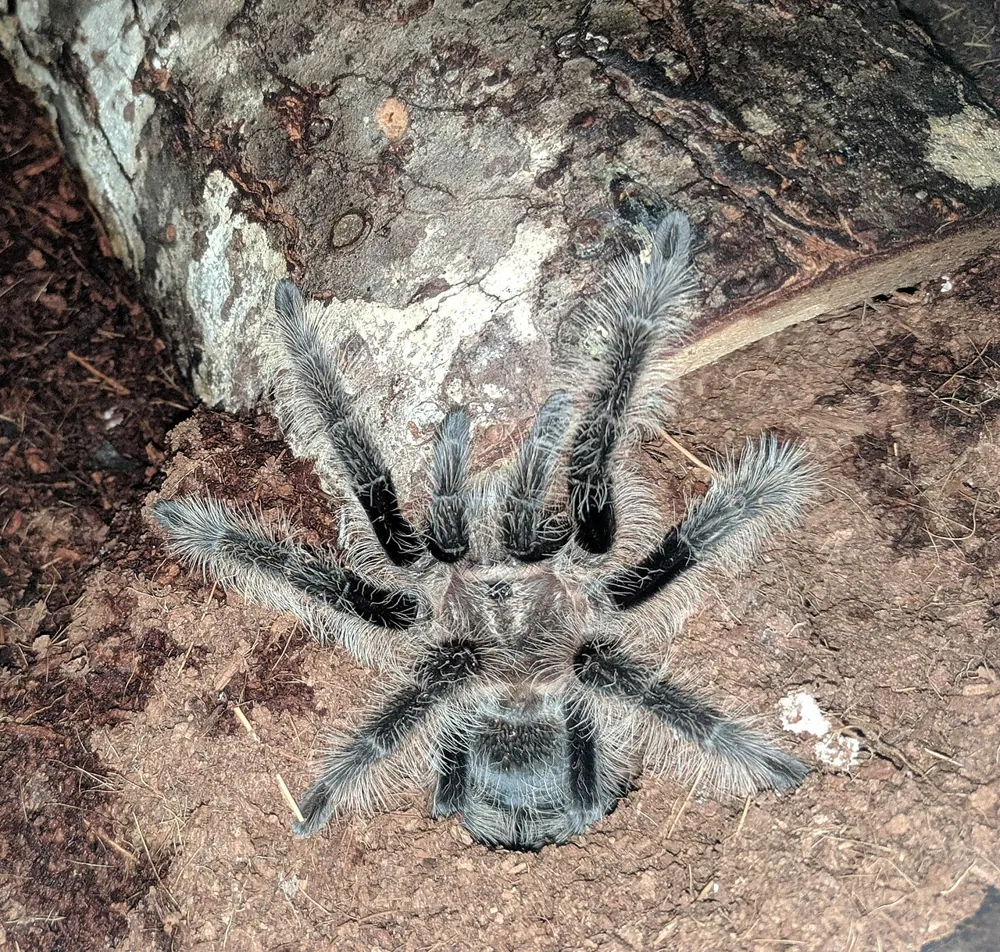
ỊtaThe curlyhair tarantula is a plump, hairy spider whose bristles curl, which gives it a unique look. It lives in tropical scrubland in Costa Rica, often burrowing near large trees, rivers or patches of cleared rainforest. It is a popular pet and is widely bred in captivity.1

 Otú ị ga-esi mata ya
- A plump-bodied spider covered in dark brown to black bristles.1
- Its bristles start light as a juvenile and darken as it ages.1
- Longer gold bristles give it a golden-bronze sheen, especially dense on the hind legs.1
- The bristles have a distinctive curl.1
- Males are often a lighter bronze colour than females.1
Ike nsị
Nsị na-esi n'eze nsị ya ma ọ bụ eze ya apụta mgbe ọ na-ata.
Gịnị ka nsị ọ na-agba na-eme?
Its venom is delivered through two hollow fangs and has two purposes. It paralyses the prey and begins digesting it. The spider then sucks up the proteins and fats, leaving only a small ball of undigested body parts.1
Kedu otú o si dị egwu nye mmadụ?
Ihe ize ndụ nye mmadụ: ObereDị ka ịgba aṅụ ma ọ bụ nke na-erughị ya. Ọ fọrọ nke nta ka ọ ghara ịdị njọ nye mmadụ.This tarantula is usually docile. When threatened, it kicks hairs off its abdomen, which can cause a rash on the skin, and if they hit a predator's eyes they can cause blindness.1
Gịnị ka ọ na-eme mgbe ụjọ tụrụ ya?
When threatened, it kicks hairs off its abdomen with its hind legs.1
 Ọ bụrụ na ọ tara
- Saa ebe ọ tara, mee ka ọ jụọ oyi. Chọọ enyemaka ọgwụ ma ọ bụrụ na mgbu ahụ siri ike ma ọ bụ na ahụ adịghị onye ahụ mma.
Na-ebu ụzọ kpọọ nọmba mberede gị mgbe niile (112, 000, 911). Nke a bụ ndụmọdụ enyemaka mbụ n'ozuzu, ọ bụghị ndụmọdụ ọgwụ. Isi ihe enyemaka mbụ
 Nọrọ na nchekwa
- Emetụla anụ ọhịa aka, ejidela ya, emekwala ya ihe ọjọọ, ọbụna obere, ọbụna ma ọ dị ka ọ na-ehi ụra ma ọ bụ nwụọ anwụ.
- Nye ya ohere. Ọ bụrụ na ị zutere otu, dị jụụ, laghachi azụ nwayọ, hapụ ya ka ọ gaa ụzọ ya.
- Ọ bụrụ na otu tara gị: dị jụụ, emegharịla ahụ, kpọọ nọmba mberede gị (112, 000, 911) ma ọ bụ gaa ụlọ ọgwụ ngwa ngwa. Cheta ka o si dị, foto na-enye aka.
Ọ naghị achụ gị. Ọ na-eji nsị ya ejide nri ma ọ bụ chebe onwe ya, ọ ga-akakwa mma n'anya ya ịzo onwe ya. Ihe ndị ọzọ gbasara ịnọ na nchekwa
Ọ hà aṅaa?
Kedu otú o si dị ogologo?
 dị ogologo dị ka blọk egwuregwu 5 n'ahịrị
 nwere ike ịgba ọsọ mita 100 n'ime sekọnd 210 (mmadụ kacha ọsọ chọrọ 9,6)
Kedu otú Curlyhair tarantula si hà ma e jiri ya tụnyere GỊ?
Naanị mgbakọ na mwepụ n'ime browser gị. Ọ dịghị ihe echekwara ma ọ bụ ezigara ebe ọ bụla.
Kedu otú o si agba ọsọ?


Eziokwu
Its venom starts digestion before the spider even eats the prey.1
Females may attack and try to eat males that approach them when they are not ready to mate.1
In captivity, females have been reported to live up to 20 years, while males live only about 5 years.1
Captive specimens have grown to a leg span of just over 6 inches (15 cm).1
Once captured in large numbers for the pet trade, it is now mostly bred in captivity and rarely caught in the wild.1
Maka ndị ọkachamara nsị
- Aha sayensị
- Tliltocatl albopilosus
- Otu
- Tarantula na funnel-web
- Ezinụlọ
- Theraphosidae2
- Usoro
- Araneae
- Kọntinent dị iche iche
- Ugwu Amerika
- Ụmụ ọhụrụ
- After mating, a female lays 300 to 500 eggs in an egg sac several weeks later. The egg sac is incubated for about seven to eight weeks, and pale young then emerge and cluster together before dispersing.1
- Ogologo ndụ
- ihe dị ka afọ 201
- Otú ọ na-eme n'ọhịa
- Listed on CITES Appendix II, meaning international trade is controlled by quotas and trade permits1
- Ihe ize ndụ nye mmadụ
- 1 / 5: Obere3
Ebe eziokwu ndị a si
- Tliltocatl albopilosus (Wikipedia (CC BY-SA 4.0))
- Tliltocatl albopilosus (iNaturalist): aha na nhazi ọkwa.
- Venom Wiki: ọkwa ihe ize ndụ, nha nkịtị na nchepụta ọsọ bụ nke anyị. Lee otú anyị si achọpụta ha: Otú anyị si atụ ihe ize ndụ.
Eziokwu ọ bụla dị na peeji a nwere nọmba na-egosi ebe o si. Ọ bụrụ na anyị mehiere ihe, ndo, anyị bụ ndị hụrụ anụmanụ n'anya, ọ bụghị akwụkwọ akụkọ sayensị. Gwa anyị na [email protected], anyị ga-edozi ya.
 Akpị agụụ na-agụ! Venom Wiki bụ ọrụ otu onye: n'efu, na-enweghị mgbasa ozi na ndị na-esochi gị. Obere onyinye na-enyere aka idebe ya n'ịntanetị.Nye akpị nri
Ndị ọzọ si n'otu ahụ: Tarantula na funnel-web
 Mexican redknee tarantulaTarantula na funnel-webAdịghị njọ
 Arizona blond tarantulaTarantula na funnel-webAdịghị njọ
 Ravine trapdoor spiderTarantula na funnel-webAdịghị njọ
 Trinidad chevron tarantulaTarantula na funnel-webNaanị na-afụ ụfụ
 Antilles pinktoe tarantulaTarantula na funnel-webAdịghị njọ
 California trapdoor spiderTarantula na funnel-webAdịghị njọ
 Terciopelo
 Eastern coral snake
 Eastern diamondback rattlesnake
 Eyelash viper
 Timber rattlesnake
 Western diamondback rattlesnake