
 Afrịka
 Eshia
Eshia Yurop
Yurop Ndịda Amerika
 Ọstrelia na Oshenia
 Antaktika
 Oké Osimiri Pasifik
 Oké Osimiri Atlantik
 Oké Osimiri India
 Oké Osimiri Arktik
 Osimiri Mediterenian
 Osimiri Uhie
 Osimiri Karibịan
 Osimiri Coral
 Osimiri Ndịda China
 Osimiri Filipin
 Osimiri Andaman
 Osimiri Ugwu (North Sea)
 Osimiri Timor na Arafura
 Ọwara Bengal
 Ọwara California
Deathstalker
 Ịgba
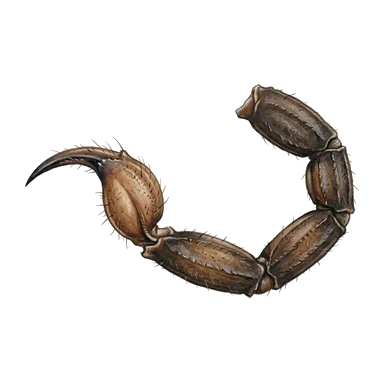
ỊgbaThe deathstalker is a yellow scorpion that lives in deserts and scrubland from North Africa across the Middle East to Central Asia. It is one of the most dangerous scorpions in the world, and its venom is being studied as a possible way to help treat brain tumours.1
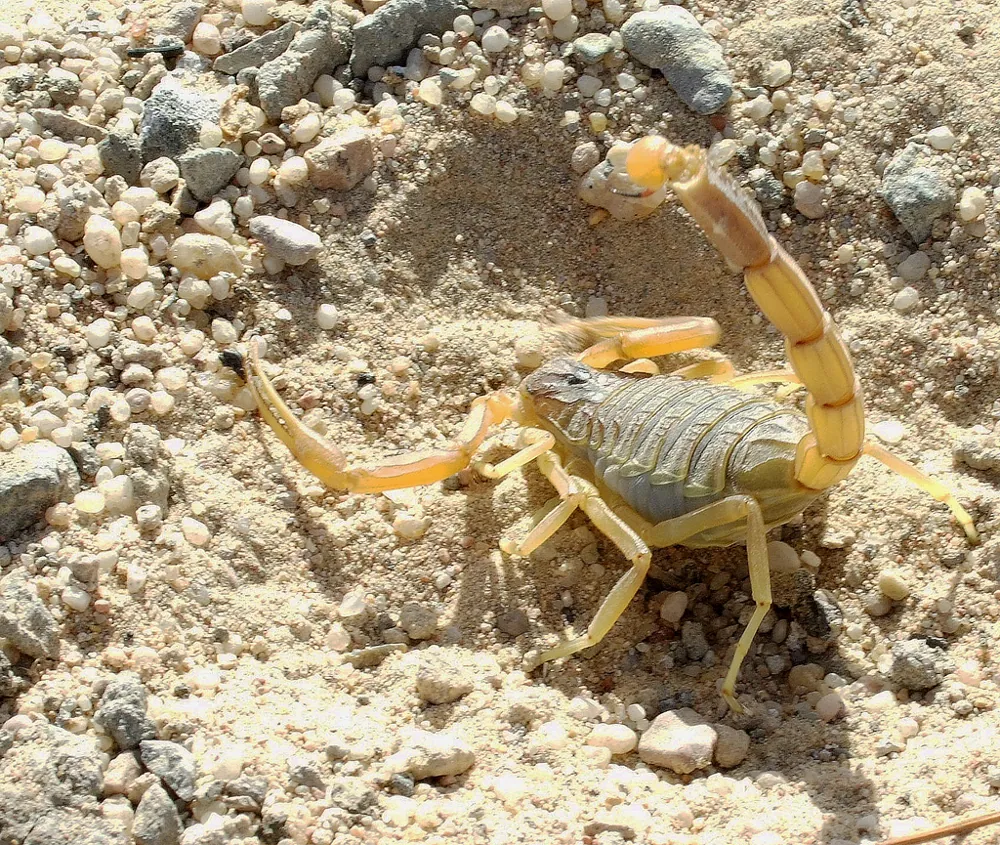
 Otú ị ga-esi mata ya
Ike nsị
Nsị na-esi na ndụdụ ya apụta.
Gịnị ka nsị ọ na-agba na-eme?
The venom is a powerful mixture of neurotoxins, which attack the nerves. Its named components include chlorotoxin, charybdotoxin, scyllatoxin and agitoxins. A sting is extraordinarily painful. There is also a high rate of pancreatitis (inflammation of the pancreas) after envenomation, and any sting carries a risk of anaphylaxis, a severe allergic reaction.1
Kedu otú o si dị egwu nye mmadụ?
Ihe ize ndụ nye mmadụ: Na-egbu egbuOtu n'ime anụmanụ kacha dị egwu n'ụwa.The deathstalker is one of the most dangerous scorpion species. Its venom has a low lethal dose, but a sting normally would not kill a healthy adult. Young children, elderly people and those who are infirm, such as people with heart conditions or allergies, are at much greater risk. If a sting proves deadly, the usual cause of death is pulmonary edema, which is fluid build-up in the lungs.1
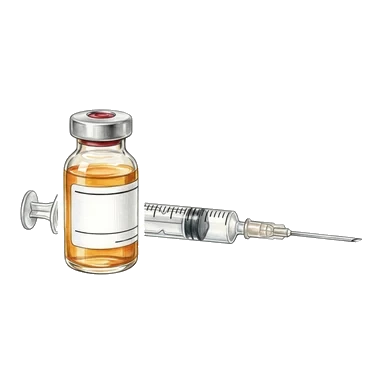 Ozi ọma: ndị dọkịta nwere ọgwụ (antivenom) ma ọ bụ ọgwụgwọ maka nke a.1
 Ọ bụrụ na ọ gbaa
- Envenomation is considered a medical emergency, even with treatment. Antivenom exists, but the venom is unusually resistant to treatment and typically needs large doses. Medical help should be sought urgently.1
- Jiri akpa ice mee ka ebe ọ gbara jụọ oyi, mekwa ka onye ahụ nọrọ jụụ n'emegharịghị ahụ. Chọọ enyemaka ọgwụ ngwa ngwa, karịsịa maka ụmụaka: ụfọdụ akpị nwere ike igbu ụmụaka.
Na-ebu ụzọ kpọọ nọmba mberede gị mgbe niile (112, 000, 911). Nke a bụ ndụmọdụ enyemaka mbụ n'ozuzu, ọ bụghị ndụmọdụ ọgwụ. Isi ihe enyemaka mbụ
 Nọrọ na nchekwa
- Emetụla anụ ọhịa aka, ejidela ya, emekwala ya ihe ọjọọ, ọbụna obere, ọbụna ma ọ dị ka ọ na-ehi ụra ma ọ bụ nwụọ anwụ.
- Nye ya ohere. Ọ bụrụ na ị zutere otu, dị jụụ, laghachi azụ nwayọ, hapụ ya ka ọ gaa ụzọ ya.
- Ọ bụrụ na otu gbaa gị: dị jụụ, emegharịla ahụ, kpọọ nọmba mberede gị (112, 000, 911) ma ọ bụ gaa ụlọ ọgwụ ngwa ngwa. Cheta ka o si dị, foto na-enye aka.
Ọ naghị achụ gị. Ọ na-eji nsị ya ejide nri ma ọ bụ chebe onwe ya, ọ ga-akakwa mma n'anya ya ịzo onwe ya. Ihe ndị ọzọ gbasara ịnọ na nchekwa
Ọ hà aṅaa?
Kedu otú o si dị ogologo?
 dị ogologo dị ka blọk egwuregwu 2.5 n'ahịrị
 nwere ike ịgba ọsọ mita 100 n'ime sekọnd 210 (mmadụ kacha ọsọ chọrọ 9,6)
Kedu otú Deathstalker si hà ma e jiri ya tụnyere GỊ?
Naanị mgbakọ na mwepụ n'ime browser gị. Ọ dịghị ihe echekwara ma ọ bụ ezigara ebe ọ bụla.
Kedu otú o si agba ọsọ?


Eziokwu
Its venom contains chlorotoxin, a peptide that has shown potential for treating human brain tumours.1
In preclinical animal trials, the paint could highlight clusters of as few as 200 cancer cells, while the lower limit for standard MRI was above 500,000.1
In 2015, clinical trials began on chlorotoxin with a fluorescent molecule attached, used as a brain tumour "paint" to mark cancer cells during surgery.1
There is some evidence that other venom components may help regulate insulin and could be used to treat diabetes.1
Onye na-ekpughe akụkọ ụgha
Akụkọ ụgha: A deathstalker sting always kills.
Eziokwu: A sting normally would not kill a healthy adult, but young children, the elderly and people with certain health conditions are at much greater risk.1
Ebe eziokwu ndị a si
- Deathstalker (Wikipedia (CC BY-SA 4.0))
- Leiurus quinquestriatus (iNaturalist): aha na nhazi ọkwa.
- Venom Wiki: ọkwa ihe ize ndụ, nha nkịtị na nchepụta ọsọ bụ nke anyị. Lee otú anyị si achọpụta ha: Otú anyị si atụ ihe ize ndụ.
Eziokwu ọ bụla dị na peeji a nwere nọmba na-egosi ebe o si. Ọ bụrụ na anyị mehiere ihe, ndo, anyị bụ ndị hụrụ anụmanụ n'anya, ọ bụghị akwụkwọ akụkọ sayensị. Gwa anyị na [email protected], anyị ga-edozi ya.
 Akpị agụụ na-agụ! Venom Wiki bụ ọrụ otu onye: n'efu, na-enweghị mgbasa ozi na ndị na-esochi gị. Obere onyinye na-enyere aka idebe ya n'ịntanetị.Nye akpị nri
 Fat-tailed scorpion
 Emperor scorpion
 Indian red scorpion
 Arabian fat-tailed scorpion
 Transvaal thick-tailed scorpion
 Chinese scorpion
 Black mamba
 Egyptian cobra
 Puff adder
 Boomslang
 Gaboon viper
 Western honey bee