
 Afrịka
 Eshia
Eshia Yurop
Yurop Ndịda Amerika
 Ọstrelia na Oshenia
 Antaktika
 Oké Osimiri Pasifik
 Oké Osimiri Atlantik
 Oké Osimiri India
 Oké Osimiri Arktik
 Osimiri Mediterenian
 Osimiri Uhie
 Osimiri Karibịan
 Osimiri Coral
 Osimiri Ndịda China
 Osimiri Filipin
 Osimiri Andaman
 Osimiri Ugwu (North Sea)
 Osimiri Timor na Arafura
 Ọwara Bengal
 Ọwara California
Black mamba
 Ịta
ỊtaThe black mamba is a long, fast, highly venomous snake that lives in parts of sub-Saharan Africa. It can climb trees as well as move across the ground. It is one of the most feared snakes in Africa because its venom acts quickly.1


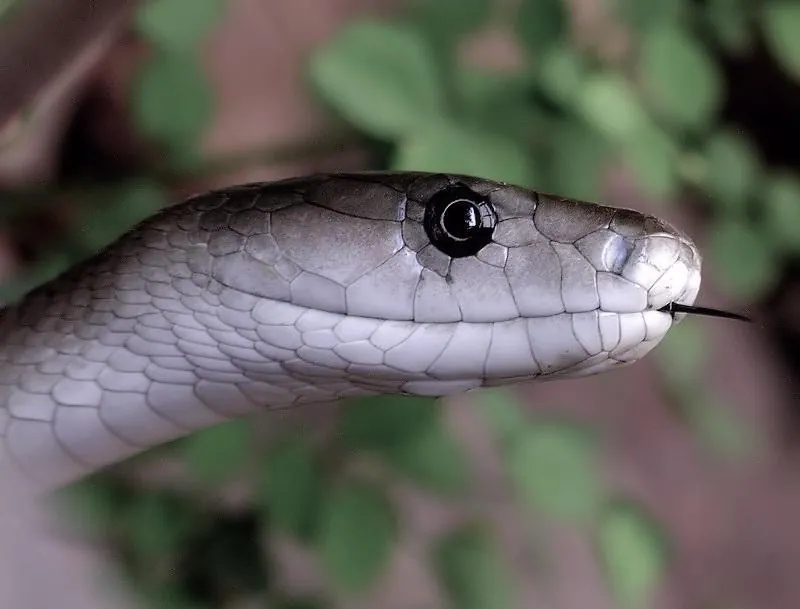
 Otú ị ga-esi mata ya
- Long, slender body with a coffin-shaped head and a slight brow ridge1
- Body colour is usually olive, yellowish-brown, khaki or grey, rarely black1
- Greyish-white underbelly1
- Inside of the mouth is dark bluish-grey to nearly black, shown when threatened1
- Young snakes are paler, typically grey or olive green, and darken with age1
A na-agwakọkarị ya na: It is often confused with the eastern green mamba, its closest relative. The two were once grouped together as one species before being separated.1
Ike nsị
Nsị na-esi n'eze nsị ya ma ọ bụ eze ya apụta mgbe ọ na-ata.
Gịnị ka nsị ọ na-agba na-eme?
Its venom is mainly neurotoxic, meaning it attacks the nerves. Symptoms often start within ten minutes of a bite. The venom is frequently fatal unless antivenom is given.1
Kedu otú o si dị egwu nye mmadụ?
Ihe ize ndụ nye mmadụ: Na-egbu egbuOtu n'ime anụmanụ kacha dị egwu n'ụwa.It attacks people only when threatened or cornered. A survey in South Africa from 1957 to 1979 recorded 2,553 venomous snakebites, of which 75 were confirmed as black mamba bites. The World Health Organization classes it as a snake of medical importance.1
 Ozi ọma: ndị dọkịta nwere ọgwụ (antivenom) ma ọ bụ ọgwụgwọ maka nke a.1
Gịnị ka ọ na-eme mgbe ụjọ tụrụ ya?
When threatened, it opens its inky-black mouth, spreads a narrow neck flap, hisses and may strike several times in quick succession.1
 Ọ bụrụ na ọ tara
- Antivenom is the treatment for a black mamba bite, so get to a hospital as fast as possible.1
- Mee ka onye ahụ ghara imegharị ahụ, dịkwa jụụ, wepụ mgbanaka na ihe ndị kekọrọ ahụ ike, kpọga ya ụlọ ọgwụ ngwa ngwa: ọgwụ mgbochi nsị (antivenom) bụ ọgwụgwọ ya.
Na-ebu ụzọ kpọọ nọmba mberede gị mgbe niile (112, 000, 911). Nke a bụ ndụmọdụ enyemaka mbụ n'ozuzu, ọ bụghị ndụmọdụ ọgwụ. Isi ihe enyemaka mbụ
 Nọrọ na nchekwa
- Emetụla anụ ọhịa aka, ejidela ya, emekwala ya ihe ọjọọ, ọbụna obere, ọbụna ma ọ dị ka ọ na-ehi ụra ma ọ bụ nwụọ anwụ.
- Nye ya ohere. Ọ bụrụ na ị zutere otu, dị jụụ, laghachi azụ nwayọ, hapụ ya ka ọ gaa ụzọ ya.
- Ọ bụrụ na otu tara gị: dị jụụ, emegharịla ahụ, kpọọ nọmba mberede gị (112, 000, 911) ma ọ bụ gaa ụlọ ọgwụ ngwa ngwa. Cheta ka o si dị, foto na-enye aka.
Ọ naghị achụ gị. Ọ na-eji nsị ya ejide nri ma ọ bụ chebe onwe ya, ọ ga-akakwa mma n'anya ya ịzo onwe ya. Ihe ndị ọzọ gbasara ịnọ na nchekwa
Ọ hà aṅaa?
Kedu otú o si dị ogologo?
Kedu otú o si dị arọ?
 dị ogologo dị ka nkịta 4 site n'imi ruo n'ọdụ
 dị ogologo dị ka unere 25 a tọgbọrọ n'ahịrị
 ọ dị arọ ihe dị ka nwamba ụlọ
 nwere ike ịgba ọsọ mita 100 n'ime sekọnd 22 (mmadụ kacha ọsọ chọrọ 9,6)
Kedu otú Black mamba si hà ma e jiri ya tụnyere GỊ?
Naanị mgbakọ na mwepụ n'ime browser gị. Ọ dịghị ihe echekwara ma ọ bụ ezigara ebe ọ bụla.
Kedu otú o si agba ọsọ?

Eziokwu
It is the second-longest venomous snake in the world, after the king cobra. It is the longest venomous snake in Africa.1
It can lift as much as 40% of its body length off the ground, so bites can land on the upper body.1
Honey badgers and mongooses have some resistance to its venom, and they sometimes hunt mambas.1
Its digestive system can fully digest a meal in eight to ten hours.1
Its fangs can be up to 6.5 mm long.1
Its name in some tribal languages means "dassie catcher", because it sometimes hunts the rock hyrax, also called a dassie.1
Onye na-ekpughe akụkọ ụgha
Akụkọ ụgha: The black mamba is black, and it is always aggressive.
Eziokwu: Its skin is usually grey, olive or brown. The name comes from the dark inside of its mouth. It usually avoids people and attacks only when threatened or cornered.1
Maka ndị ọkachamara nsị
- Aha sayensị
- Dendroaspis polylepis
- Otu
- Kobra, mamba na krait
- Ezinụlọ
- Elapidae2
- Usoro
- Squamata
- Kọntinent dị iche iche
- Afrịka
- Ụmụ ọhụrụ
- It lays eggs. A female lays a clutch of 6 to 17 eggs, and the young are 40 to 60 cm long when they hatch.1
- Ogologo ndụ
- ihe dị ka afọ 111
- Otú ọ na-eme n'ọhịa
- Least Concern1
- Ihe ize ndụ nye mmadụ
- 5 / 5: Na-egbu egbu3
Ebe eziokwu ndị a si
- Black mamba (Wikipedia (CC BY-SA 4.0))
- Dendroaspis polylepis (iNaturalist): aha na nhazi ọkwa.
- Venom Wiki: ọkwa ihe ize ndụ, nha nkịtị na nchepụta ọsọ bụ nke anyị. Lee otú anyị si achọpụta ha: Otú anyị si atụ ihe ize ndụ.
Eziokwu ọ bụla dị na peeji a nwere nọmba na-egosi ebe o si. Ọ bụrụ na anyị mehiere ihe, ndo, anyị bụ ndị hụrụ anụmanụ n'anya, ọ bụghị akwụkwọ akụkọ sayensị. Gwa anyị na [email protected], anyị ga-edozi ya.
 Akpị agụụ na-agụ! Venom Wiki bụ ọrụ otu onye: n'efu, na-enweghị mgbasa ozi na ndị na-esochi gị. Obere onyinye na-enyere aka idebe ya n'ịntanetị.Nye akpị nri
Ndị ọzọ si n'otu ahụ: Kobra, mamba na krait
 Egyptian cobraKobra, mamba na kraitNa-egbu egbu
 Cape cobraKobra, mamba na kraitNa-egbu egbu
 Eastern green mambaKobra, mamba na kraitNa-egbu egbu
 Jameson's mambaKobra, mamba na kraitNa-egbu egbu
 Western green mambaKobra, mamba na kraitNa-egbu egbu
 Ashe's spitting cobraKobra, mamba na kraitNwere ike igbu mmadụ
 Deathstalker
 Puff adder
 Boomslang
 Fat-tailed scorpion
 Gaboon viper
 Western honey bee