
 Afrịka
 Eshia
Eshia Yurop
Yurop Ndịda Amerika
 Ọstrelia na Oshenia
 Antaktika
 Oké Osimiri Pasifik
 Oké Osimiri Atlantik
 Oké Osimiri India
 Oké Osimiri Arktik
 Osimiri Mediterenian
 Osimiri Uhie
 Osimiri Karibịan
 Osimiri Coral
 Osimiri Ndịda China
 Osimiri Filipin
 Osimiri Andaman
 Osimiri Ugwu (North Sea)
 Osimiri Timor na Arafura
 Ọwara Bengal
 Ọwara California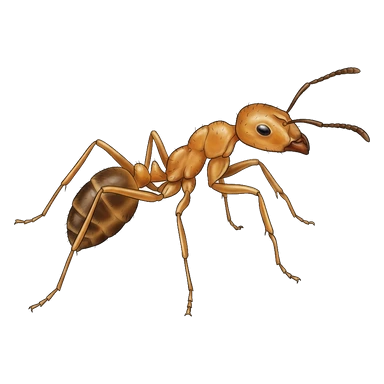
Electric ant
 Ịgba
ỊgbaThe electric ant, also called the little fire ant, is a tiny ant, about 1.5 mm long, that can give a surprisingly painful sting. It first lived in Central and South America, but it has spread to many other parts of the world. It is an invasive species that harms native wildlife, crops and pets.1
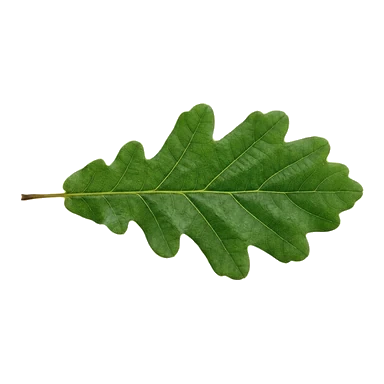
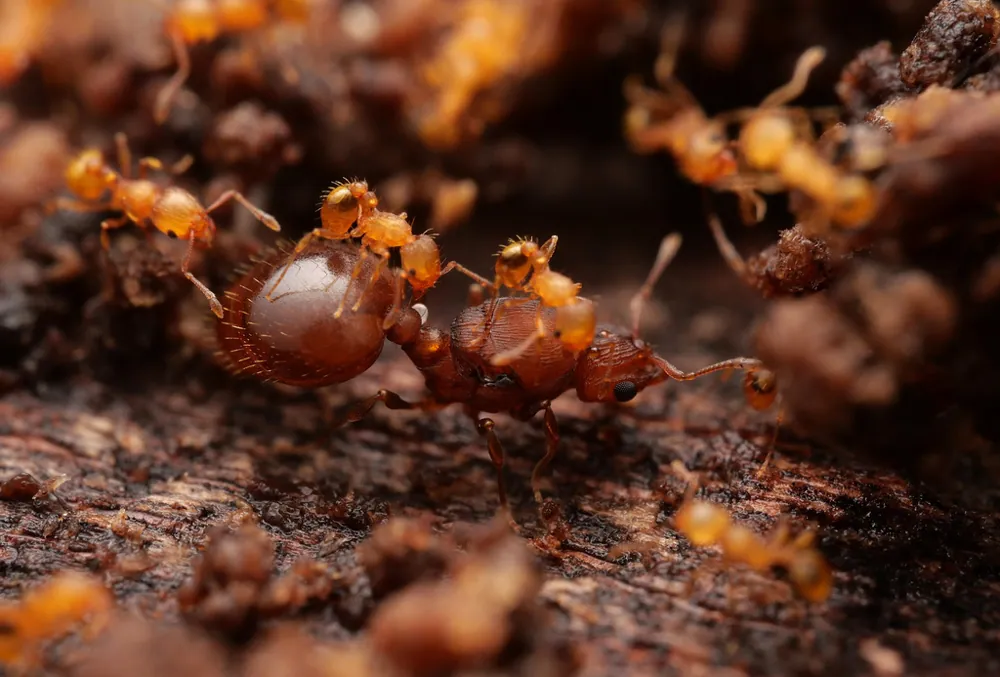
 Otú ị ga-esi mata ya
Ike nsị
Nsị na-esi na ndụdụ ya apụta.
Gịnị ka nsị ọ na-agba na-eme?
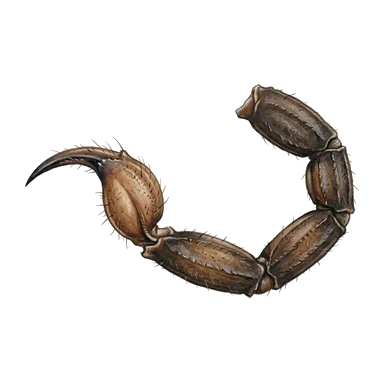
It has a venomous sting that is painful for its size. Stings cause itchy, painful welts up to about 2.5 cm long. The sting can also subdue large insects and vertebrate prey.1
Kedu otú o si dị egwu nye mmadụ?
Ihe ize ndụ nye mmadụ: Na-afụ ụfụỌ nwere ike ịfụ ụfụ nke ukwuu, mana ọ naghị adịkarị njọ.The ants will readily attack people, and their stings can be painful out of proportion to their size. They can blind pets and large domestic animals, such as cats and dogs, if stung around the eyes. They also harm farming, by stripping nutrients from crops and making them more open to disease and pests.1
 Ọ bụrụ na ọ gbaa
- Saa ebe ọ gbara, mee ka ha jụọ oyi.
- Ọ bụrụ na o siri onye ahụ ike iku ume, ihu ya ma ọ bụ akpịrị ya na-aza, ma ọ bụ na ọ dị ya ka ọ ga-ada mbà, ọ bụ mberede allergy: kpọọ nọmba mberede gị.
Na-ebu ụzọ kpọọ nọmba mberede gị mgbe niile (112, 000, 911). Nke a bụ ndụmọdụ enyemaka mbụ n'ozuzu, ọ bụghị ndụmọdụ ọgwụ. Isi ihe enyemaka mbụ
 Nọrọ na nchekwa
- Emetụla anụ ọhịa aka, ejidela ya, emekwala ya ihe ọjọọ, ọbụna obere, ọbụna ma ọ dị ka ọ na-ehi ụra ma ọ bụ nwụọ anwụ.
- Nye ya ohere. Ọ bụrụ na ị zutere otu, dị jụụ, laghachi azụ nwayọ, hapụ ya ka ọ gaa ụzọ ya.
- Ọ bụrụ na otu gbaa gị: dị jụụ, emegharịla ahụ, kpọọ nọmba mberede gị (112, 000, 911) ma ọ bụ gaa ụlọ ọgwụ ngwa ngwa. Cheta ka o si dị, foto na-enye aka.
Ọ naghị achụ gị. Ọ na-eji nsị ya ejide nri ma ọ bụ chebe onwe ya, ọ ga-akakwa mma n'anya ya ịzo onwe ya. Ihe ndị ọzọ gbasara ịnọ na nchekwa
Ọ hà aṅaa?
Kedu otú o si dị ogologo?
 dị obere nke na ọ nwere ike ịnọdụ n'elu mbọ aka gị
 nwayọ karịa ejula ubi
Kedu otú Electric ant si hà ma e jiri ya tụnyere GỊ?
Naanị mgbakọ na mwepụ n'ime browser gị. Ọ dịghị ihe echekwara ma ọ bụ ezigara ebe ọ bụla.
Kedu otú o si agba ọsọ?

Eziokwu
In the Galapagos Islands, it is considered one of the most aggressive introduced species, and it has contributed to declines in tortoise populations by eating hatchlings and attacking adult eyes.1
Its sting is painful far out of proportion to its tiny size.1
Queens can produce daughters that are genetic copies of themselves, while workers are produced sexually.1
It has been found in cold places such as Canada and England, where it survives in large buildings and greenhouses.1
It is a suspected link to Florida keratopathy, an eye condition, although this is not confirmed.1
It was once introduced to plantations in Gabon and Cameroon as a biological control agent.1
Maka ndị ọkachamara nsị
Ebe eziokwu ndị a si
- Electric ant (Wikipedia (CC BY-SA 4.0))
- Wasmannia auropunctata (iNaturalist): aha na nhazi ọkwa.
- Venom Wiki: ọkwa ihe ize ndụ, nha nkịtị na nchepụta ọsọ bụ nke anyị. Lee otú anyị si achọpụta ha: Otú anyị si atụ ihe ize ndụ.
Eziokwu ọ bụla dị na peeji a nwere nọmba na-egosi ebe o si. Ọ bụrụ na anyị mehiere ihe, ndo, anyị bụ ndị hụrụ anụmanụ n'anya, ọ bụghị akwụkwọ akụkọ sayensị. Gwa anyị na [email protected], anyị ga-edozi ya.
 Akpị agụụ na-agụ! Venom Wiki bụ ọrụ otu onye: n'efu, na-enweghị mgbasa ozi na ndị na-esochi gị. Obere onyinye na-enyere aka idebe ya n'ịntanetị.Nye akpị nri
 Bullet ant
 Red imported fire ant
 Army ant
 Giant Amazonian ant
 Maricopa harvester ant
 Trap-jaw ant
 Terciopelo
 Eastern coral snake
 Eastern diamondback rattlesnake
 Eyelash viper
 Timber rattlesnake
 Western diamondback rattlesnake