
 Afrịka
 Eshia
Eshia Yurop
Yurop Ndịda Amerika
 Ọstrelia na Oshenia
 Antaktika
 Oké Osimiri Pasifik
 Oké Osimiri Atlantik
 Oké Osimiri India
 Oké Osimiri Arktik
 Osimiri Mediterenian
 Osimiri Uhie
 Osimiri Karibịan
 Osimiri Coral
 Osimiri Ndịda China
 Osimiri Filipin
 Osimiri Andaman
 Osimiri Ugwu (North Sea)
 Osimiri Timor na Arafura
 Ọwara Bengal
 Ọwara California
Japanese pufferfish
 Nwere nsị ma e rie ya
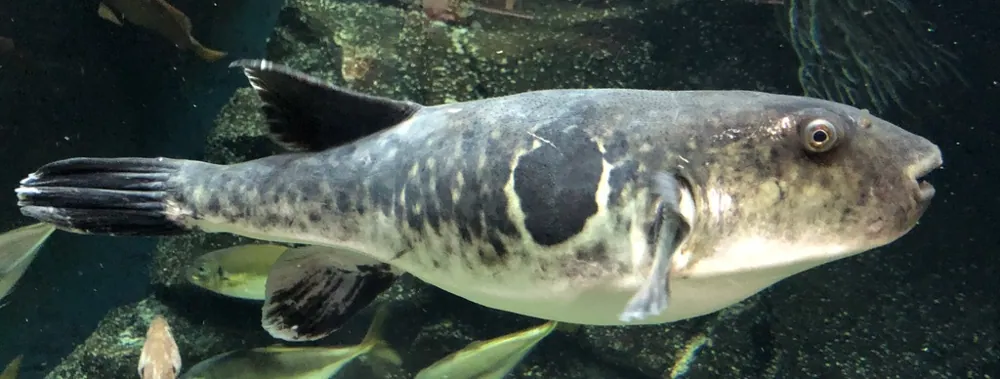
The Japanese pufferfish, also called the tiger puffer or torafugu, is a fish that lives in cold, shallow seas off East Asia. It is famous as a food in Japan, but its liver and ovaries contain a strong toxin, so it must be prepared with great care. It is also a key animal in genetics research.1
Ike nsị
Ọ na-emerụ ahụ naanị ma ihe riri ya.
Gịnị ka nsị dị n'ahụ ya na-eme?
This pufferfish is poisonous rather than venomous. Some of its organs contain tetrodotoxin, a highly toxic substance, which is concentrated in the liver and ovaries, slightly present in the intestines and flesh, and absent from the skin and testes.1
Kedu otú o si dị egwu nye mmadụ?
Ihe ize ndụ nye mmadụ: Na-egbu egbuOtu n'ime anụmanụ kacha dị egwu n'ụwa.Its organs are highly toxic, so the liver and ovaries are the dangerous parts to eat. Only the flesh and skin are the parts that are safe to eat in regulated preparation.1
 Ọ bụrụ na mmadụ metụrụ ya aka ma ọ bụ rie ya
- Ọ bụrụ na mmadụ riri ya ma ọ bụ nwee mgbaàmà mgbe o risịrị ya: kpọọ nọmba mberede gị ma ọ bụ ụlọ ọrụ ndụmọdụ nsị (poison centre) ozugbo.
Na-ebu ụzọ kpọọ nọmba mberede gị mgbe niile (112, 000, 911). Nke a bụ ndụmọdụ enyemaka mbụ n'ozuzu, ọ bụghị ndụmọdụ ọgwụ. Isi ihe enyemaka mbụ
 Nọrọ na nchekwa
- Emetụla anụ ọhịa aka, ejidela ya, emekwala ya ihe ọjọọ, ọbụna obere, ọbụna ma ọ dị ka ọ na-ehi ụra ma ọ bụ nwụọ anwụ.
- Nye ya ohere. Ọ bụrụ na ị zutere otu, dị jụụ, laghachi azụ nwayọ, hapụ ya ka ọ gaa ụzọ ya.
- Ọ bụrụ na i metụrụ ya aka ma ọ bụ rie ya: ehichala anya gị ma ọ bụ ọnụ gị, saa aka gị, chọọkwa enyemaka ọgwụ.
Ọ naghị achụ gị. Nsị ya dị naanị ka ihe ọ bụla ghara iri ya. Ihe ndị ọzọ gbasara ịnọ na nchekwa
Ọ hà aṅaa?
Kedu otú o si dị ogologo?
 dị ogologo dị ka unere 2 a tọgbọrọ n'ahịrị
 dị ogologo dị ka blọk egwuregwu 12 n'ahịrị
 nwere ike igwu mmiri ogologo nnukwu ọdọ igwu mmiri (50 m) n'ime sekọnd 45
Kedu otú Japanese pufferfish si hà ma e jiri ya tụnyere GỊ?
Naanị mgbakọ na mwepụ n'ime browser gị. Ọ dịghị ihe echekwara ma ọ bụ ezigara ebe ọ bụla.
Kedu otú o si agba ọsọ?
Eziokwu
A genetically modified type called 22-seiki fugu, meaning 22nd-century fugu, has had four leptin receptor genes removed, which increases appetite. It grows on average 1.9 times faster than normal torafugu and is sold as food.1
Its genome is one of the smallest known among vertebrates, and it was the first vertebrate genome after the human genome to be made publicly available.1
Its genome has about 6% of the base pairs of the human genome, yet it has 22 chromosomes, close to the 23 in humans.1
It is one of the most valuable commercial fishes in Japan.1
It is used as a reference genome to help identify genes in human and other vertebrate genomes.1
Maka ndị ọkachamara nsị
- Aha sayensị
- Takifugu rubripes
- Otu
- Anụmanụ ndị ọzọ nwere nsị n'ahụ
- Ezinụlọ
- Tetraodontidae2
- Usoro
- Tetraodontiformes
- Kọntinent dị iche iche
- Oké Osimiri Pasifik, Oké osimiri niile
- Ụmụ ọhụrụ
- Spawning takes place in estuaries. Young fish stay in river mouths and lagoons for about one year before migrating permanently to the open ocean.1
- Otú ọ na-eme n'ọhịa
- Near Threatened1
- Ihe ize ndụ nye mmadụ
- 5 / 5: Na-egbu egbu3
Ebe eziokwu ndị a si
- Takifugu rubripes (Wikipedia (CC BY-SA 4.0))
- Takifugu rubripes (iNaturalist): aha na nhazi ọkwa.
- Venom Wiki: ọkwa ihe ize ndụ, nha nkịtị na nchepụta ọsọ bụ nke anyị. Lee otú anyị si achọpụta ha: Otú anyị si atụ ihe ize ndụ.
Eziokwu ọ bụla dị na peeji a nwere nọmba na-egosi ebe o si. Ọ bụrụ na anyị mehiere ihe, ndo, anyị bụ ndị hụrụ anụmanụ n'anya, ọ bụghị akwụkwọ akụkọ sayensị. Gwa anyị na [email protected], anyị ga-edozi ya.
 Akpị agụụ na-agụ! Venom Wiki bụ ọrụ otu onye: n'efu, na-enweghị mgbasa ozi na ndị na-esochi gị. Obere onyinye na-enyere aka idebe ya n'ịntanetị.Nye akpị nri
Ndị ọzọ si n'otu ahụ: Anụmanụ ndị ọzọ nwere nsị n'ahụ
 Hawksbill sea turtleAnụmanụ ndị ọzọ nwere nsị n'ahụNwere ike igbu mmadụ
 Greenland sharkAnụmanụ ndị ọzọ nwere nsị n'ahụNaanị na-afụ ụfụ
 Silver-cheeked toadfishAnụmanụ ndị ọzọ nwere nsị n'ahụNa-egbu egbu
 Blackspotted pufferAnụmanụ ndị ọzọ nwere nsị n'ahụNwere ike igbu mmadụ
 White-spotted pufferAnụmanụ ndị ọzọ nwere nsị n'ahụNwere ike igbu mmadụ
 Long-spine porcupinefishAnụmanụ ndị ọzọ nwere nsị n'ahụỌ chọrọ dọkịta
Ọ na-ebikwa na: Oké Osimiri Pasifik
 Australian box jellyfishJelifish na anụ osimiri na-agba agbaNa-egbu egbuEmetụla ya aka
 Geography coneEjula cone na octopusNa-egbu egbu
 Greater blue-ringed octopusEjula cone na octopusNa-egbu egbu
 Southern blue-ringed octopusEjula cone na octopusNa-egbu egbu
 Irukandji jellyfishJelifish na anụ osimiri na-agba agbaNwere ike igbu mmadụEmetụla ya aka
 Reef stonefishAzụ na-agba nsịNwere ike igbu mmadụEmetụla ya aka