
 Afrịka
 Eshia
Eshia Yurop
Yurop Ndịda Amerika
 Ọstrelia na Oshenia
 Antaktika
 Oké Osimiri Pasifik
 Oké Osimiri Atlantik
 Oké Osimiri India
 Oké Osimiri Arktik
 Osimiri Mediterenian
 Osimiri Uhie
 Osimiri Karibịan
 Osimiri Coral
 Osimiri Ndịda China
 Osimiri Filipin
 Osimiri Andaman
 Osimiri Ugwu (North Sea)
 Osimiri Timor na Arafura
 Ọwara Bengal
 Ọwara California
Pinktoe tarantula
 Ịta
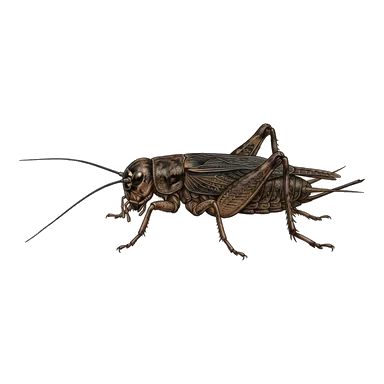
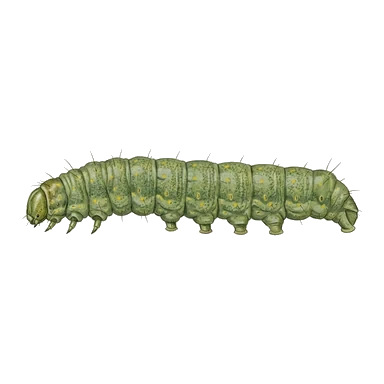
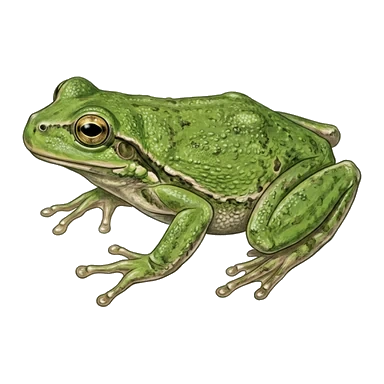
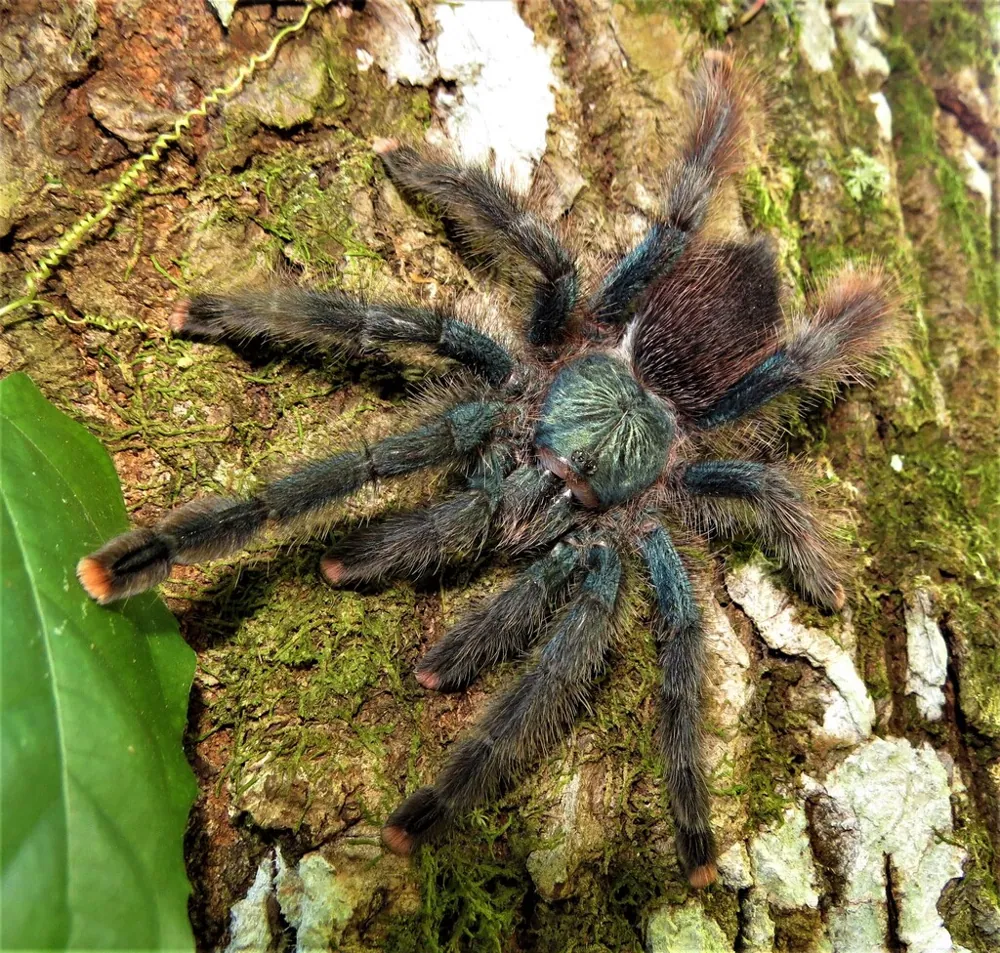
ỊtaThe pinktoe tarantula is a large spider that lives in the rainforests of northern South America. It spends much of its life high in trees, where it hunts insects and small tree frogs. It is often seen as one of the gentlest tarantulas, and it is a popular pet for beginners.1
 Otú ị ga-esi mata ya
Ike nsị
Nsị na-esi n'eze nsị ya ma ọ bụ eze ya apụta mgbe ọ na-ata.
Gịnị ka nsị ọ na-agba na-eme?
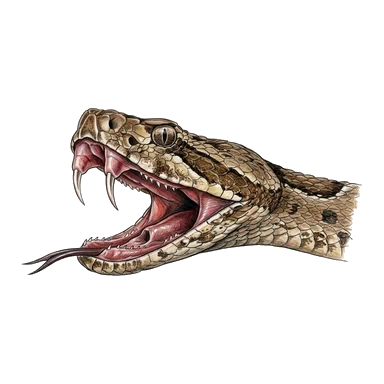
The spider has a bite that injects venom. Its venom is considered mild, even compared with other New World tarantulas.1
Kedu otú o si dị egwu nye mmadụ?
Ihe ize ndụ nye mmadụ: ObereDị ka ịgba aṅụ ma ọ bụ nke na-erughị ya. Ọ fọrọ nke nta ka ọ ghara ịdị njọ nye mmadụ.It is not very defensive, and it is considered one of the safest tarantulas to handle, although handling is still not recommended. Its venom is mild, so it is a much lower risk than more toxic tarantulas such as those in the genera Psalmopoeus and Poecilotheria.1
Gịnị ka ọ na-eme mgbe ụjọ tụrụ ya?
When threatened it usually runs or leaps away, but it may adopt a threat posture, flick its faeces at the threat, or bite if provoked.1
 Ọ bụrụ na ọ tara
- Saa ebe ọ tara, mee ka ọ jụọ oyi. Chọọ enyemaka ọgwụ ma ọ bụrụ na mgbu ahụ siri ike ma ọ bụ na ahụ adịghị onye ahụ mma.
Na-ebu ụzọ kpọọ nọmba mberede gị mgbe niile (112, 000, 911). Nke a bụ ndụmọdụ enyemaka mbụ n'ozuzu, ọ bụghị ndụmọdụ ọgwụ. Isi ihe enyemaka mbụ
 Nọrọ na nchekwa
- Emetụla anụ ọhịa aka, ejidela ya, emekwala ya ihe ọjọọ, ọbụna obere, ọbụna ma ọ dị ka ọ na-ehi ụra ma ọ bụ nwụọ anwụ.
- Nye ya ohere. Ọ bụrụ na ị zutere otu, dị jụụ, laghachi azụ nwayọ, hapụ ya ka ọ gaa ụzọ ya.
- Ọ bụrụ na otu tara gị: dị jụụ, emegharịla ahụ, kpọọ nọmba mberede gị (112, 000, 911) ma ọ bụ gaa ụlọ ọgwụ ngwa ngwa. Cheta ka o si dị, foto na-enye aka.
Ọ naghị achụ gị. Ọ na-eji nsị ya ejide nri ma ọ bụ chebe onwe ya, ọ ga-akakwa mma n'anya ya ịzo onwe ya. Ihe ndị ọzọ gbasara ịnọ na nchekwa
Ọ hà aṅaa?
Kedu otú o si dị ogologo?
 dị ogologo dị ka blọk egwuregwu 5 n'ahịrị
 nwere ike ịgba ọsọ mita 100 n'ime sekọnd 220 (mmadụ kacha ọsọ chọrọ 9,6)
Kedu otú Pinktoe tarantula si hà ma e jiri ya tụnyere GỊ?
Naanị mgbakọ na mwepụ n'ime browser gị. Ọ dịghị ihe echekwara ma ọ bụ ezigara ebe ọ bụla.
Kedu otú o si agba ọsọ?


Eziokwu
Females of this species may eat males after mating, a behaviour called sexual cannibalism.1
Its urticating hairs, which can irritate skin, are released by direct contact rather than being kicked into the air.1
Adult males live about 2 to 3 years, while females live about 6 to 9 years.1
In captivity, the spider can build nests and tunnels using nearby debris when its enclosure is enriched.1
Mature males have a pair of hooks on the last segment of their pedipalps, which they use to build sperm webs and during courtship.1
Onye na-ekpughe akụkọ ụgha
Akụkọ ụgha: Pinktoe tarantulas need high humidity to survive.
Eziokwu: Outdated advice says they need high humidity, but in captivity they should be kept on dry substrate with a water dish. Too much moisture and stagnant air can be fatal to them.1
Ebe eziokwu ndị a si
- Avicularia avicularia (Wikipedia (CC BY-SA 4.0))
- Avicularia avicularia (iNaturalist): aha na nhazi ọkwa.
- Venom Wiki: ọkwa ihe ize ndụ, nha nkịtị na nchepụta ọsọ bụ nke anyị. Lee otú anyị si achọpụta ha: Otú anyị si atụ ihe ize ndụ.
Eziokwu ọ bụla dị na peeji a nwere nọmba na-egosi ebe o si. Ọ bụrụ na anyị mehiere ihe, ndo, anyị bụ ndị hụrụ anụmanụ n'anya, ọ bụghị akwụkwọ akụkọ sayensị. Gwa anyị na [email protected], anyị ga-edozi ya.
 Akpị agụụ na-agụ! Venom Wiki bụ ọrụ otu onye: n'efu, na-enweghị mgbasa ozi na ndị na-esochi gị. Obere onyinye na-enyere aka idebe ya n'ịntanetị.Nye akpị nri
Ndị ọzọ si n'otu ahụ: Tarantula na funnel-web
 Goliath birdeaterTarantula na funnel-webNaanị na-afụ ụfụ
 Brazilian salmon pink birdeaterTarantula na funnel-webAdịghị njọ
 Chilean rose tarantulaTarantula na funnel-webAdịghị njọ
 Greenbottle blue tarantulaTarantula na funnel-webAdịghị njọ
 Brazilian funnel-web spiderTarantula na funnel-webỌ chọrọ dọkịta
 Burgundy goliath birdeaterTarantula na funnel-webNaanị na-afụ ụfụ
 Golden poison frog
 Terciopelo
 Brazilian wandering spider
 Eyelash viper
 Golden lancehead
 South American bushmaster