
 Afrịka
 Eshia
Eshia Yurop
Yurop Ndịda Amerika
 Ọstrelia na Oshenia
 Antaktika
 Oké Osimiri Pasifik
 Oké Osimiri Atlantik
 Oké Osimiri India
 Oké Osimiri Arktik
 Osimiri Mediterenian
 Osimiri Uhie
 Osimiri Karibịan
 Osimiri Coral
 Osimiri Ndịda China
 Osimiri Filipin
 Osimiri Andaman
 Osimiri Ugwu (North Sea)
 Osimiri Timor na Arafura
 Ọwara Bengal
 Ọwara California
Rhodnius kissing bug
 Ịta
ỊtaThe Rhodnius kissing bug is a blood-feeding insect that feeds on the skin around people's mouths while they sleep. It lives in northern South America and Central America, and it matters because it spreads the parasite that causes Chagas disease.1



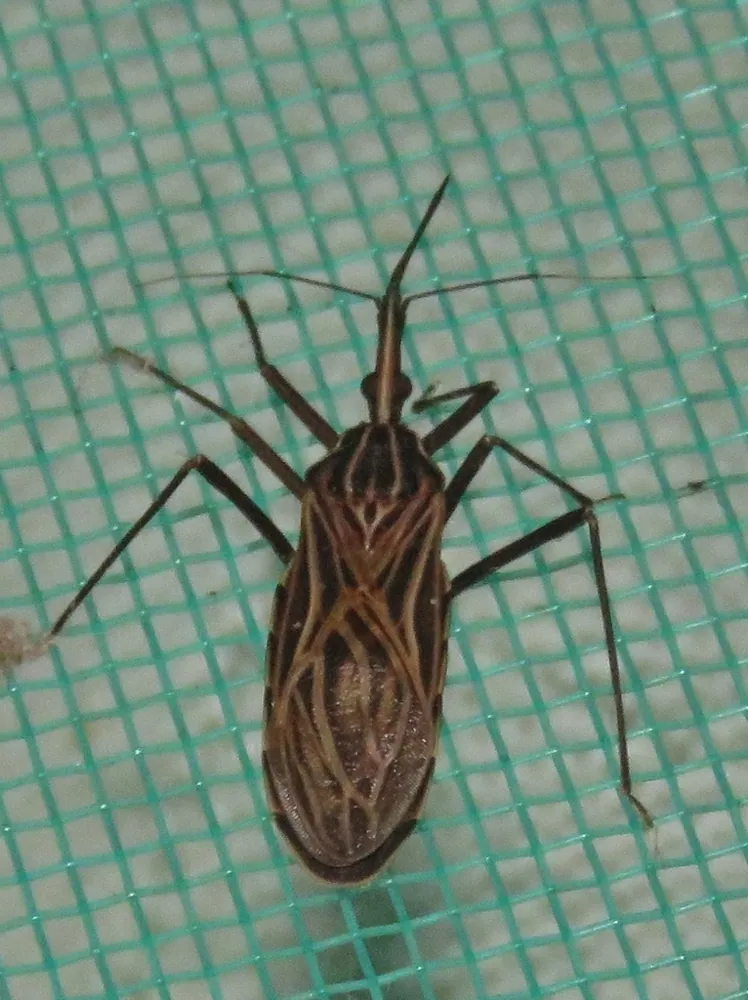
 Otú ị ga-esi mata ya
Ike nsị
Nsị na-esi n'eze nsị ya ma ọ bụ eze ya apụta mgbe ọ na-ata.
Kedu otú o si dị egwu nye mmadụ?
Ihe ize ndụ nye mmadụ: Ọ dị njọỊta ya chọrọ dọkịta. Ọnwụ anaghị adịkarị ma ọlị.It is the main carrier of the parasite that causes Chagas disease in northern South America, and the only carrier in Central America. The parasite is passed in the bug's faeces straight after a blood meal. People can become infected when they scratch the bite and rub the faeces into it, through a blood transfusion, or by eating food contaminated with the bug's faeces.1
 Ọ bụrụ na ọ tara
- Maka ajị ikpuru na-agba agba: jiri teepu na-arapara arapara wepụ ha, wee saa akpụkpọ ahụ. Ehichala ya.
- Maka ịta: saa ya, mee ka ọ jụọ oyi. Chọọ enyemaka ọgwụ ma ọ bụrụ na ahụ adịghị onye ahụ mma ma ọ bụ na ọbara na-agba ya ngwa ngwa.
Na-ebu ụzọ kpọọ nọmba mberede gị mgbe niile (112, 000, 911). Nke a bụ ndụmọdụ enyemaka mbụ n'ozuzu, ọ bụghị ndụmọdụ ọgwụ. Isi ihe enyemaka mbụ
 Nọrọ na nchekwa
- Emetụla anụ ọhịa aka, ejidela ya, emekwala ya ihe ọjọọ, ọbụna obere, ọbụna ma ọ dị ka ọ na-ehi ụra ma ọ bụ nwụọ anwụ.
- Nye ya ohere. Ọ bụrụ na ị zutere otu, dị jụụ, laghachi azụ nwayọ, hapụ ya ka ọ gaa ụzọ ya.
- Ọ bụrụ na otu tara gị: dị jụụ, emegharịla ahụ, kpọọ nọmba mberede gị (112, 000, 911) ma ọ bụ gaa ụlọ ọgwụ ngwa ngwa. Cheta ka o si dị, foto na-enye aka.
Ọ naghị achụ gị. Ọ na-eji nsị ya ejide nri ma ọ bụ chebe onwe ya, ọ ga-akakwa mma n'anya ya ịzo onwe ya. Ihe ndị ọzọ gbasara ịnọ na nchekwa
Ọ hà aṅaa?
Kedu otú o si dị ogologo?
 ọ dị ogologo ihe dị ka pepa klip
Kedu otú Rhodnius kissing bug si hà ma e jiri ya tụnyere GỊ?
Naanị mgbakọ na mwepụ n'ime browser gị. Ọ dịghị ihe echekwara ma ọ bụ ezigara ebe ọ bụla.
Kedu otú o si agba ọsọ?


Eziokwu
Its saliva contains lipocalins, which bind the chemical serotonin. This helps stop the host's blood vessels from narrowing while the bug feeds.1
Sir Vincent Wigglesworth used this bug to study insect hormones. He showed that removing the head during a larval stage makes the insect develop into an adult early.1
Specimens from Venezuela escaped from a research laboratory in San Salvador in 1915 and then spread through Central America, probably helped by travellers carrying them.1
Its wild populations have been linked to the transfer of transposons, which are pieces of DNA that move around, between the bug and some of its hosts, such as squirrel monkeys and opossums.1
The insect goes through five larval stages, and each one ends in a moult about 12 to 15 days after a large blood meal.1
Ebe eziokwu ndị a si
- Rhodnius prolixus (Wikipedia (CC BY-SA 4.0))
- Rhodnius prolixus (iNaturalist): aha na nhazi ọkwa.
- Venom Wiki: ọkwa ihe ize ndụ, nha nkịtị na nchepụta ọsọ bụ nke anyị. Lee otú anyị si achọpụta ha: Otú anyị si atụ ihe ize ndụ.
Eziokwu ọ bụla dị na peeji a nwere nọmba na-egosi ebe o si. Ọ bụrụ na anyị mehiere ihe, ndo, anyị bụ ndị hụrụ anụmanụ n'anya, ọ bụghị akwụkwọ akụkọ sayensị. Gwa anyị na [email protected], anyị ga-edozi ya.
 Akpị agụụ na-agụ! Venom Wiki bụ ọrụ otu onye: n'efu, na-enweghị mgbasa ozi na ndị na-esochi gị. Obere onyinye na-enyere aka idebe ya n'ịntanetị.Nye akpị nri
Ndị ọzọ si n'otu ahụ: Ikpuru ajị na ụmụ ahụhụ
 Giant silkworm moth caterpillarIkpuru ajị na ụmụ ahụhụNwere ike igbu mmadụEmetụla ya aka
 Vinchuca kissing bugIkpuru ajị na ụmụ ahụhụỌ chọrọ dọkịta
 Giant water bugIkpuru ajị na ụmụ ahụhụNaanị na-afụ ụfụ
 Puss caterpillarIkpuru ajị na ụmụ ahụhụNaanị na-afụ ụfụEmetụla ya aka
 Saddleback caterpillarIkpuru ajị na ụmụ ahụhụNaanị na-afụ ụfụEmetụla ya aka
 Wheel bugIkpuru ajị na ụmụ ahụhụNaanị na-afụ ụfụ
 Terciopelo
 Eastern coral snake
 Eastern diamondback rattlesnake
 Eyelash viper
 Timber rattlesnake
 Western diamondback rattlesnake