
 Afrịka
 Eshia
Eshia Yurop
Yurop Ndịda Amerika
 Ọstrelia na Oshenia
 Antaktika
 Oké Osimiri Pasifik
 Oké Osimiri Atlantik
 Oké Osimiri India
 Oké Osimiri Arktik
 Osimiri Mediterenian
 Osimiri Uhie
 Osimiri Karibịan
 Osimiri Coral
 Osimiri Ndịda China
 Osimiri Filipin
 Osimiri Andaman
 Osimiri Ugwu (North Sea)
 Osimiri Timor na Arafura
 Ọwara Bengal
 Ọwara California
Stonecat
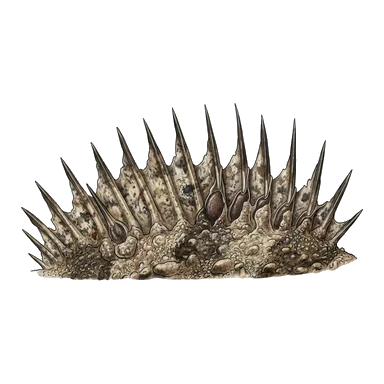 Mkpu na-agba nsị
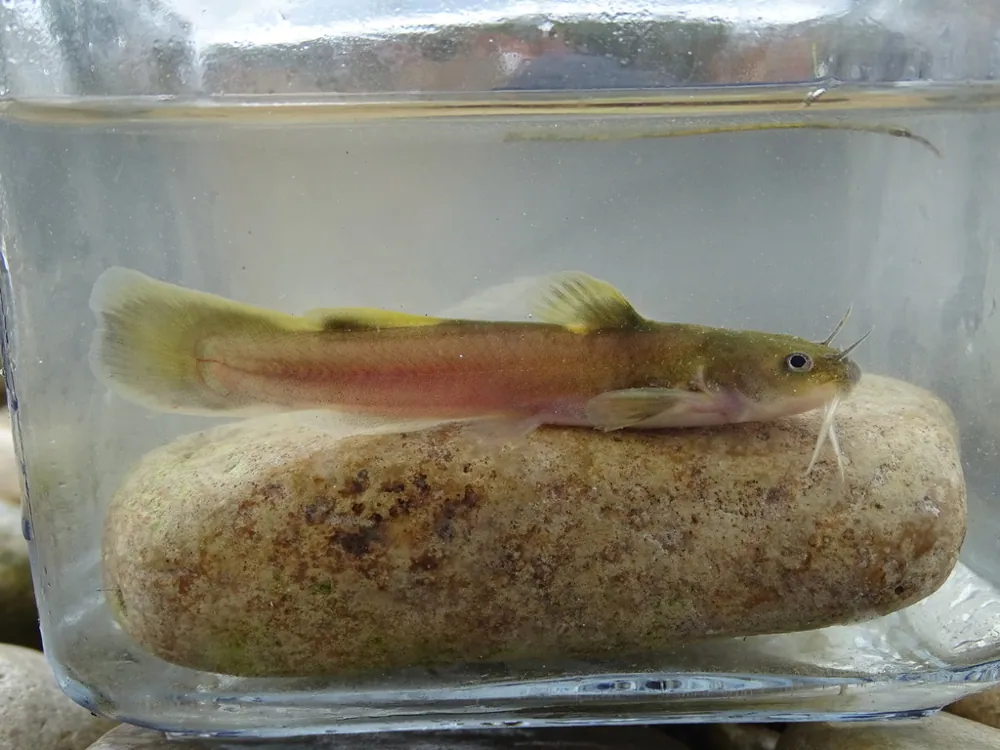
The stonecat is a small freshwater catfish from North America. It hides near or under stones in fast-moving water. It is special because it has venom glands at the base of its pectoral spines, which can cause extreme pain.1
 Otú ị ga-esi mata ya
- Small, slender, flat-headed catfish with a thick, yellowish-brown skin1
- The sides of the head shade to yellow, and the belly is whitish1
- A white spot at the rear of the dorsal fin base and another on the upper edge of the tail fin1
- Either two light bars or a patch on the nape, depending on the population1
Ike nsị
Mkpu dị nkọ na-ebu nsị ahụ. Ịzọ ya ụkwụ ma ọ bụ ijide ya na-afụ ụfụ.
Gịnị ka nsị ọ na-agba na-eme?
Stonecats have venom glands, mainly at the bases of the pectoral spines. Their venom causes extreme pain, similar to that of a wasp sting. Other members of this catfish family cause irritating wounds from their spines, but the stonecat's venom is stronger.1
Kedu otú o si dị egwu nye mmadụ?
Ihe ize ndụ nye mmadụ: Na-afụ ụfụỌ nwere ike ịfụ ụfụ nke ukwuu, mana ọ naghị adịkarị njọ.The spines can deliver venom that causes extreme pain, similar to a wasp sting. Keep clear of its spines.1
Gịnị ka ọ na-eme mgbe ụjọ tụrụ ya?
Stonecats hide near or under stones, and their venom glands sit at the bases of their pectoral spines.1
 Ọ bụrụ na mkpu ya dụrụ gị
- Tinye ọnya ahụ n'ime mmiri ọkụ, nke ọkụ dị ka onye ahụ nwere ike ịnagide n'ere ya ọkụ (jiri aka gị nwalee ya), ruo nkeji 30 ruo 90. Chọọ enyemaka ọgwụ, karịsịa maka azụ nkume (stonefish) na stingray.
Na-ebu ụzọ kpọọ nọmba mberede gị mgbe niile (112, 000, 911). Nke a bụ ndụmọdụ enyemaka mbụ n'ozuzu, ọ bụghị ndụmọdụ ọgwụ. Isi ihe enyemaka mbụ
 Nọrọ na nchekwa
- Emetụla anụ ọhịa aka, ejidela ya, emekwala ya ihe ọjọọ, ọbụna obere, ọbụna ma ọ dị ka ọ na-ehi ụra ma ọ bụ nwụọ anwụ.
- Nye ya ohere. Ọ bụrụ na ị zutere otu, dị jụụ, laghachi azụ nwayọ, hapụ ya ka ọ gaa ụzọ ya.
- Ọ bụrụ na mkpu ya dụrụ gị: dị jụụ, emegharịla ahụ, kpọọ nọmba mberede gị (112, 000, 911) ma ọ bụ gaa ụlọ ọgwụ ngwa ngwa. Cheta ka o si dị, foto na-enye aka.
Ọ naghị achụ gị. Ọ na-eji nsị ya ejide nri ma ọ bụ chebe onwe ya, ọ ga-akakwa mma n'anya ya ịzo onwe ya. Ihe ndị ọzọ gbasara ịnọ na nchekwa
Ọ hà aṅaa?
Kedu otú o si dị ogologo?
Kedu otú o si dị arọ?

 dị ogologo dị ka blọk egwuregwu 10 n'ahịrị
 nwere ike igwu mmiri ogologo nnukwu ọdọ igwu mmiri (50 m) n'ime sekọnd 38
Kedu otú Stonecat si hà ma e jiri ya tụnyere GỊ?
Naanị mgbakọ na mwepụ n'ime browser gị. Ọ dịghị ihe echekwara ma ọ bụ ezigara ebe ọ bụla.
Kedu otú o si agba ọsọ?
Eziokwu
A stonecat's pectoral spines carry venom glands, which makes them far more painful than the spines of most related catfish.1
Its eggs are amber-yellow and very large for a fish, measuring between 3.5 and 4 mm across.1
Stonecats are used as indicators of water quality, because they are absent from highly polluted or heavily silted areas.1
Stonecats form monogamous pairs for breeding, and they spawn when water temperatures reach 25 °C.1
The upper jaw of the stonecat projects beyond the lower jaw.1
Maka ndị ọkachamara nsị
- Aha sayensị
- Noturus flavus
- Otu
- Azụ na-agba nsị
- Ezinụlọ
- Ictaluridae2
- Usoro
- Siluriformes
- Kọntinent dị iche iche
- Ugwu Amerika
- Ụmụ ọhụrụ
- Males guard the clutch of eggs under large, flat rocks, and a female may produce between 200 and 1,200 eggs per year.1
- Ogologo ndụ
- ihe dị ka afọ 61
- Otú ọ na-eme n'ọhịa
- Not threatened, according to the US Endangered Species Act1
- Ihe ize ndụ nye mmadụ
- 2 / 5: Na-afụ ụfụ3
Ebe eziokwu ndị a si
- Noturus flavus (Wikipedia (CC BY-SA 4.0))
- Noturus flavus (iNaturalist): aha na nhazi ọkwa.
- Venom Wiki: ọkwa ihe ize ndụ, nha nkịtị na nchepụta ọsọ bụ nke anyị. Lee otú anyị si achọpụta ha: Otú anyị si atụ ihe ize ndụ.
Eziokwu ọ bụla dị na peeji a nwere nọmba na-egosi ebe o si. Ọ bụrụ na anyị mehiere ihe, ndo, anyị bụ ndị hụrụ anụmanụ n'anya, ọ bụghị akwụkwọ akụkọ sayensị. Gwa anyị na [email protected], anyị ga-edozi ya.
 Akpị agụụ na-agụ! Venom Wiki bụ ọrụ otu onye: n'efu, na-enweghị mgbasa ozi na ndị na-esochi gị. Obere onyinye na-enyere aka idebe ya n'ịntanetị.Nye akpị nri
Ndị ọzọ si n'otu ahụ: Azụ na-agba nsị
 Channel catfishAzụ na-agba nsịNaanị na-afụ ụfụEmetụla ya aka
 Brown bullheadAzụ na-agba nsịNaanị na-afụ ụfụEmetụla ya aka
 Carolina madtomAzụ na-agba nsịNaanị na-afụ ụfụEmetụla ya aka
 Margined madtomAzụ na-agba nsịNaanị na-afụ ụfụEmetụla ya aka
 Tadpole madtomAzụ na-agba nsịNaanị na-afụ ụfụEmetụla ya aka
 Reef stonefishAzụ na-agba nsịNwere ike igbu mmadụEmetụla ya aka
 Terciopelo
 Eastern coral snake
 Eastern diamondback rattlesnake
 Eyelash viper
 Timber rattlesnake
 Western diamondback rattlesnake