
 Afrịka
 Eshia
Eshia Yurop
Yurop Ndịda Amerika
 Ọstrelia na Oshenia
 Antaktika
 Oké Osimiri Pasifik
 Oké Osimiri Atlantik
 Oké Osimiri India
 Oké Osimiri Arktik
 Osimiri Mediterenian
 Osimiri Uhie
 Osimiri Karibịan
 Osimiri Coral
 Osimiri Ndịda China
 Osimiri Filipin
 Osimiri Andaman
 Osimiri Ugwu (North Sea)
 Osimiri Timor na Arafura
 Ọwara Bengal
 Ọwara California
Tadpole madtom
 Mkpu na-agba nsị
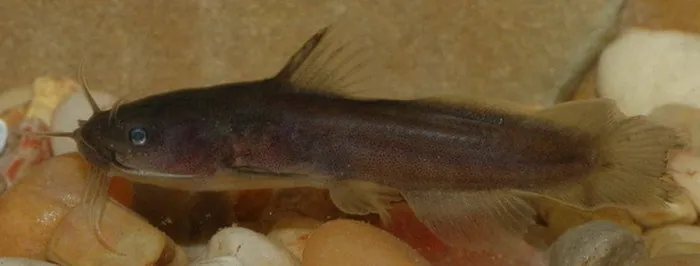
The tadpole madtom is a small freshwater fish that lives in slow, weedy waters in Canada and the United States. It has two spines near its chest that carry a venom, which it uses to defend itself from predators. Its name comes partly from its rounded tail fin, which makes it look a little like a tadpole.1



 Otú ị ga-esi mata ya
- Dark brown back with lighter brown sides and a yellow or white belly1
- A dark horizontal streak along each side, from bands of dark pigment on the jaws1
- A large, round tail fin that is joined to the small fin on its back, giving it a tadpole-like shape1
- Two spines on the pectoral (chest) fins, which carry venom1
Ike nsị
Mkpu dị nkọ na-ebu nsị ahụ. Ịzọ ya ụkwụ ma ọ bụ ijide ya na-afụ ụfụ.
Gịnị ka nsị ọ na-agba na-eme?
Two pectoral spines transmit an anti-predatory venom. The spines are used to deter predators that get stuck by them.1
Kedu otú o si dị egwu nye mmadụ?
Ihe ize ndụ nye mmadụ: Na-afụ ụfụỌ nwere ike ịfụ ụfụ nke ukwuu, mana ọ naghị adịkarị njọ.Gịnị ka ọ na-eme mgbe ụjọ tụrụ ya?
When startled, it darts about in all directions, and it uses its venomous spines against predators.1
 Ọ bụrụ na mkpu ya dụrụ gị
- Tinye ọnya ahụ n'ime mmiri ọkụ, nke ọkụ dị ka onye ahụ nwere ike ịnagide n'ere ya ọkụ (jiri aka gị nwalee ya), ruo nkeji 30 ruo 90. Chọọ enyemaka ọgwụ, karịsịa maka azụ nkume (stonefish) na stingray.
Na-ebu ụzọ kpọọ nọmba mberede gị mgbe niile (112, 000, 911). Nke a bụ ndụmọdụ enyemaka mbụ n'ozuzu, ọ bụghị ndụmọdụ ọgwụ. Isi ihe enyemaka mbụ
 Nọrọ na nchekwa
- Emetụla anụ ọhịa aka, ejidela ya, emekwala ya ihe ọjọọ, ọbụna obere, ọbụna ma ọ dị ka ọ na-ehi ụra ma ọ bụ nwụọ anwụ.
- Nye ya ohere. Ọ bụrụ na ị zutere otu, dị jụụ, laghachi azụ nwayọ, hapụ ya ka ọ gaa ụzọ ya.
- Ọ bụrụ na mkpu ya dụrụ gị: dị jụụ, emegharịla ahụ, kpọọ nọmba mberede gị (112, 000, 911) ma ọ bụ gaa ụlọ ọgwụ ngwa ngwa. Cheta ka o si dị, foto na-enye aka.
Ọ naghị achụ gị. Ọ na-eji nsị ya ejide nri ma ọ bụ chebe onwe ya, ọ ga-akakwa mma n'anya ya ịzo onwe ya. Ihe ndị ọzọ gbasara ịnọ na nchekwa
Ọ hà aṅaa?
Kedu otú o si dị ogologo?
 dị ogologo dị ka blọk egwuregwu 4 n'ahịrị
 nwere ike igwu mmiri ogologo nnukwu ọdọ igwu mmiri (50 m) n'ime sekọnd 47
Kedu otú Tadpole madtom si hà ma e jiri ya tụnyere GỊ?
Naanị mgbakọ na mwepụ n'ime browser gị. Ọ dịghị ihe echekwara ma ọ bụ ezigara ebe ọ bụla.
Kedu otú o si agba ọsọ?
Eziokwu
It does not build a nest. It sometimes lays its eggs on submerged rubbish such as drink cans.1
Males sometimes use abandoned crayfish burrows as places to house eggs.1
Breeding males develop swollen lips and enlarged muscles on top of the head.1
Researchers in Wisconsin found that its stomach contents were about 44% insects and 28% small crustaceans.1
Onye na-ekpughe akụkọ ụgha
Akụkọ ụgha: It is a tadpole.
Eziokwu: It is a fish. Its rounded tail fin gives it the appearance of a tadpole, which is where part of its name comes from.1
Maka ndị ọkachamara nsị
- Aha sayensị
- Noturus gyrinus
- Otu
- Azụ na-agba nsị
- Ezinụlọ
- Ictaluridae2
- Usoro
- Siluriformes
- Kọntinent dị iche iche
- Ugwu Amerika
- Ụmụ ọhụrụ
- The female lays several clutches of 75 to 200 eggs during the breeding season, usually in June or July. The eggs are attached to solid objects such as rocks, logs or vegetation, and the male guards them until they hatch.1
- Otú ọ na-eme n'ọhịa
- Secure in most areas. Critically endangered in Pennsylvania, and considered vulnerable in several other regions.1
- Ihe ize ndụ nye mmadụ
- 2 / 5: Na-afụ ụfụ3
Ebe eziokwu ndị a si
- Tadpole madtom (Wikipedia (CC BY-SA 4.0))
- Noturus gyrinus (iNaturalist): aha na nhazi ọkwa.
- Venom Wiki: ọkwa ihe ize ndụ, nha nkịtị na nchepụta ọsọ bụ nke anyị. Lee otú anyị si achọpụta ha: Otú anyị si atụ ihe ize ndụ.
Eziokwu ọ bụla dị na peeji a nwere nọmba na-egosi ebe o si. Ọ bụrụ na anyị mehiere ihe, ndo, anyị bụ ndị hụrụ anụmanụ n'anya, ọ bụghị akwụkwọ akụkọ sayensị. Gwa anyị na [email protected], anyị ga-edozi ya.
 Akpị agụụ na-agụ! Venom Wiki bụ ọrụ otu onye: n'efu, na-enweghị mgbasa ozi na ndị na-esochi gị. Obere onyinye na-enyere aka idebe ya n'ịntanetị.Nye akpị nri
Ndị ọzọ si n'otu ahụ: Azụ na-agba nsị
 Channel catfishAzụ na-agba nsịNaanị na-afụ ụfụEmetụla ya aka
 Brown bullheadAzụ na-agba nsịNaanị na-afụ ụfụEmetụla ya aka
 Carolina madtomAzụ na-agba nsịNaanị na-afụ ụfụEmetụla ya aka
 Margined madtomAzụ na-agba nsịNaanị na-afụ ụfụEmetụla ya aka
 StonecatAzụ na-agba nsịNaanị na-afụ ụfụEmetụla ya aka
 Reef stonefishAzụ na-agba nsịNwere ike igbu mmadụEmetụla ya aka
 Terciopelo
 Eastern coral snake
 Eastern diamondback rattlesnake
 Eyelash viper
 Timber rattlesnake
 Western diamondback rattlesnake