
 Afrịka
 Eshia
Eshia Yurop
Yurop Ndịda Amerika
 Ọstrelia na Oshenia
 Antaktika
 Oké Osimiri Pasifik
 Oké Osimiri Atlantik
 Oké Osimiri India
 Oké Osimiri Arktik
 Osimiri Mediterenian
 Osimiri Uhie
 Osimiri Karibịan
 Osimiri Coral
 Osimiri Ndịda China
 Osimiri Filipin
 Osimiri Andaman
 Osimiri Ugwu (North Sea)
 Osimiri Timor na Arafura
 Ọwara Bengal
 Ọwara California
String jellyfish
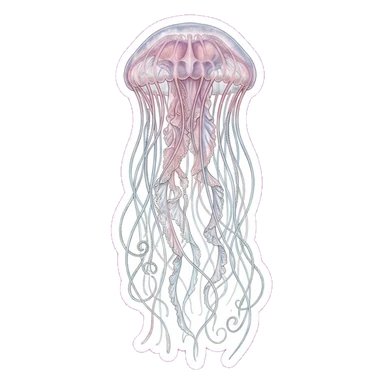 Tentacles na-agba agba
The string jellyfish is not really one animal. It is a colony of tiny linked creatures that look and move like a single long string in the sea. It lives in oceans around the world, and its stinging tentacles can hurt people who touch them.1
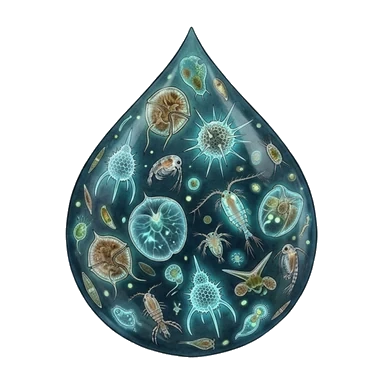
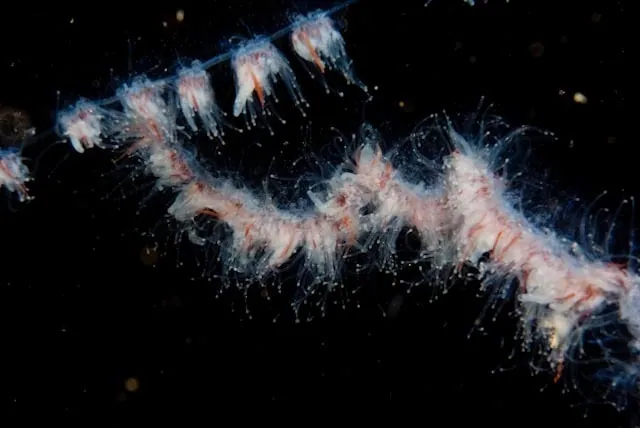
 Otú ị ga-esi mata ya
Ike nsị
Ọtụtụ puku obere sel na-agba agba na-agbapụ mgbe ihe metụrụ ha aka.
Kedu otú o si dị egwu nye mmadụ?
Ihe ize ndụ nye mmadụ: Na-afụ ụfụỌ nwere ike ịfụ ụfụ nke ukwuu, mana ọ naghị adịkarị njọ.Its tentacles can sting people painfully.1
 Ọ bụrụ na ọ gbaa
- Pụta na mmiri, wepụkwa tentacles ya niile (jiri uwe aka ma ọ bụ akwa).
- Maka box jellyfish nke ebe okpomọkụ: wụsa vinega n'ebe ọ gbara ọ dịkarịa ala sekọnd 30, kpọọ maka enyemaka, dịkwa njikere ime CPR. Maka bluebottles na ọtụtụ ndị ọzọ: jiri mmiri osimiri saa ya, wee jiri mmiri ọkụ maka mgbu ahụ.
Na-ebu ụzọ kpọọ nọmba mberede gị mgbe niile (112, 000, 911). Nke a bụ ndụmọdụ enyemaka mbụ n'ozuzu, ọ bụghị ndụmọdụ ọgwụ. Isi ihe enyemaka mbụ
 Nọrọ na nchekwa
- Emetụla anụ ọhịa aka, ejidela ya, emekwala ya ihe ọjọọ, ọbụna obere, ọbụna ma ọ dị ka ọ na-ehi ụra ma ọ bụ nwụọ anwụ.
- Nye ya ohere. Ọ bụrụ na ị zutere otu, dị jụụ, laghachi azụ nwayọ, hapụ ya ka ọ gaa ụzọ ya.
- Ọ bụrụ na otu gbaa gị: dị jụụ, emegharịla ahụ, kpọọ nọmba mberede gị (112, 000, 911) ma ọ bụ gaa ụlọ ọgwụ ngwa ngwa. Cheta ka o si dị, foto na-enye aka.
Ọ naghị achụ gị. Ọ na-eji nsị ya ejide nri ma ọ bụ chebe onwe ya, ọ ga-akakwa mma n'anya ya ịzo onwe ya. Ihe ndị ọzọ gbasara ịnọ na nchekwa
Ebee n'ụwa?
Ọ hà aṅaa?
Kedu otú o si dị ogologo?
 dị ogologo dị ka nkịta 3 site n'imi ruo n'ọdụ
 dị ogologo dị ka unere 17 a tọgbọrọ n'ahịrị
 nwere ike igwu mmiri ogologo nnukwu ọdọ igwu mmiri (50 m) n'ime sekọnd 60
Kedu otú String jellyfish si hà ma e jiri ya tụnyere GỊ?
Naanị mgbakọ na mwepụ n'ime browser gị. Ọ dịghị ihe echekwara ma ọ bụ ezigara ebe ọ bụla.
Kedu otú o si agba ọsọ?
Eziokwu
Since 2025, string jellyfish have been multiplying in seas around Norway and Scotland, where they have caused mass deaths of farmed salmon.1
Each string jellyfish is a colony of specialised tiny organisms called zooids. They are permanently joined and cannot survive on their own.1
In rough seas, or where there are physical barriers, a colony can break into smaller pieces. These pieces can get into fish cages to reach farmed salmon.1
Rising sea temperatures and waste dumped from fish farms, which the jellyfish feed on, have been blamed for the increase.1
Colonies can be found at the surface and at depths of around 1,000 m.1
In September 2007, string jellyfish were spotted off South Devon and South East Cornwall, and for the first time off Plymouth. Changes in Atlantic ocean currents are the most likely cause.1
Ebe eziokwu ndị a si
- Apolemia uvaria (Wikipedia (CC BY-SA 4.0))
- Apolemia uvaria (iNaturalist): aha na nhazi ọkwa.
- Venom Wiki: ọkwa ihe ize ndụ, nha nkịtị na nchepụta ọsọ bụ nke anyị. Lee otú anyị si achọpụta ha: Otú anyị si atụ ihe ize ndụ.
Eziokwu ọ bụla dị na peeji a nwere nọmba na-egosi ebe o si. Ọ bụrụ na anyị mehiere ihe, ndo, anyị bụ ndị hụrụ anụmanụ n'anya, ọ bụghị akwụkwọ akụkọ sayensị. Gwa anyị na [email protected], anyị ga-edozi ya.
 Akpị agụụ na-agụ! Venom Wiki bụ ọrụ otu onye: n'efu, na-enweghị mgbasa ozi na ndị na-esochi gị. Obere onyinye na-enyere aka idebe ya n'ịntanetị.Nye akpị nri
Ndị ọzọ si n'otu ahụ: Jelifish na anụ osimiri na-agba agba
 Australian box jellyfishJelifish na anụ osimiri na-agba agbaNa-egbu egbuEmetụla ya aka
 Irukandji jellyfishJelifish na anụ osimiri na-agba agbaNwere ike igbu mmadụEmetụla ya aka
 Portuguese man o' warJelifish na anụ osimiri na-agba agbaỌ chọrọ dọkịtaEmetụla ya aka
 Lion's mane jellyfishJelifish na anụ osimiri na-agba agbaNaanị na-afụ ụfụEmetụla ya aka
 Moon jellyfishJelifish na anụ osimiri na-agba agbaAdịghị njọ
 Common kingslayerJelifish na anụ osimiri na-agba agbaNwere ike igbu mmadụEmetụla ya aka
Ọ na-ebikwa na: Oké Osimiri Atlantik
 Hawksbill sea turtleAnụmanụ ndị ọzọ nwere nsị n'ahụNwere ike igbu mmadụ
 Blue sea dragonEjula cone na octopusNaanị na-afụ ụfụ
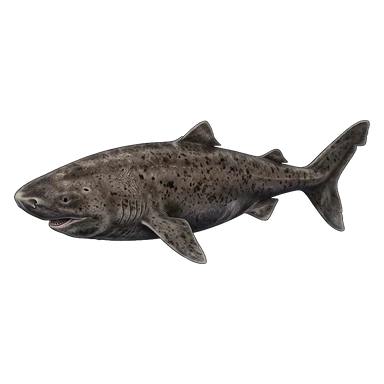 Greenland sharkAnụmanụ ndị ọzọ nwere nsị n'ahụNaanị na-afụ ụfụ
 Common octopusEjula cone na octopusAdịghị njọ
 Common stingrayAzụ na-agba nsịỌ chọrọ dọkịta
 Greater weeverAzụ na-agba nsịỌ chọrọ dọkịtaEmetụla ya aka