
 Africa
 Asia
Asia Europa
 Sud America
 Australia e Oceania
 Antartide
 Oceano Pacifico
 Oceano Atlantico
 Oceano Indiano
 Oceano Artico
 Mar Mediterraneo
 Mar Rosso
 Mar dei Caraibi
 Mar dei Coralli
 Mar Cinese Meridionale
 Mar delle Filippine
 Mare delle Andamane
 Mare del Nord
 Mar di Timor e Mar degli Arafura
 Golfo del Bengala
 Golfo di California
Common vampire bat
 Morsi
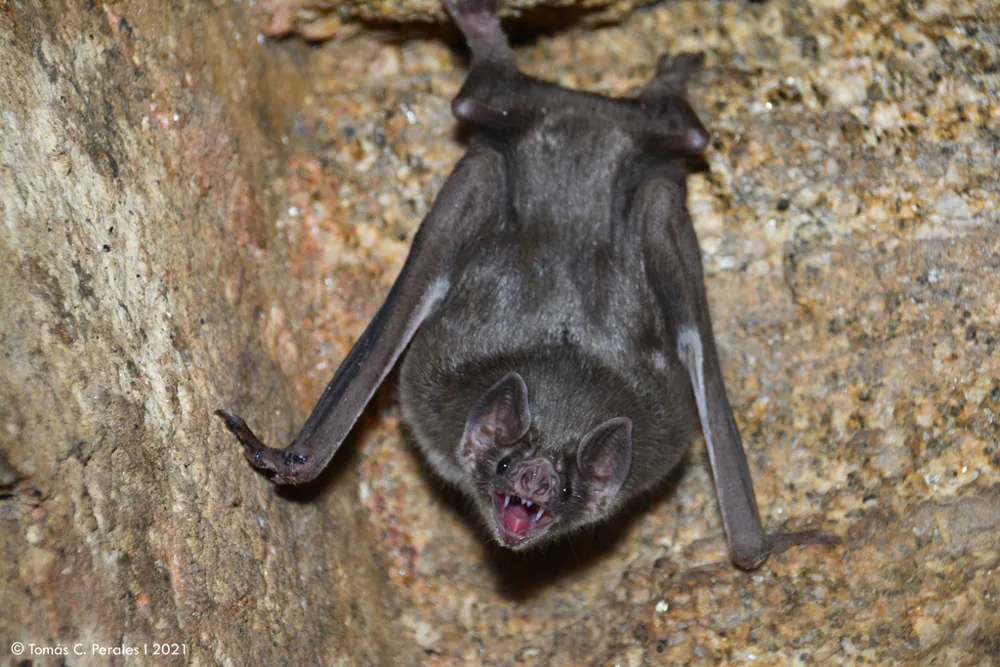
MorsiThe common vampire bat is a small bat that feeds on the blood of mammals, mostly farm animals such as cattle and horses. It lives in the Americas, from Mexico to Chile and Argentina, and it is one of only three vampire bat species in the world. It matters because it can carry rabies and is considered a pest by farmers.1
 Come riconoscerlo
- Short-haired fur, silver-grey on the underside and darker on the back1
- Flat, leaf-shaped nose and a deeply grooved lower lip1
- A well-developed, clawed thumb on each wing, longer than in its relatives1
- Average body length of about 9 cm, with an 18 cm wingspan1
- Can run and leap on the ground, using its wings to push forward1
Spesso confuso con: The hairy-legged vampire bat and the white-winged vampire bat look very similar. The common vampire bat can be told apart by its longer thumb, and it feeds on mammal blood far more often than the other two, which mostly feed on birds.1
Potere del veleno
Il veleno esce dalle zanne o dai denti quando morde.
Quanto è pericoloso per le persone?
Pericolo per le persone: DolorosoPuò fare davvero male, ma non è quasi mai grave.The bat is a carrier of rabies, and the danger is mostly to livestock rather than to people. Any person who wakes to find a vampire bat in their sleeping quarters should seek medical attention, and young children may not fully wake up during a bite.1
 Se morde
- Anyone who wakes to find a vampire bat in their sleeping area should get medical attention. Bats should be avoided and not handled, and they should not be kept in living spaces.1
- Lava bene la ferita e cerca aiuto medico.
Chiama sempre prima il numero di emergenza (112, 000, 911). Queste sono indicazioni generali di primo soccorso, non consigli medici. Primo soccorso di base
 Stai al sicuro
- Non toccare, catturare o stuzzicare mai un animale selvatico, anche se è piccolo e anche se sembra addormentato o morto.
- Lasciagli spazio. Se ne incontri uno, resta calmo, indietreggia piano e lascialo andare per la sua strada.
- Se uno ti morde: resta calmo, stai fermo, chiama il numero di emergenza (112, 000, 911) o vai subito in ospedale. Ricorda com'era, una foto aiuta.
Non ce l'ha con te. Usa il veleno per procurarsi il cibo o per difendersi, e preferisce di gran lunga nascondersi. Altro su come stare al sicuro
Dove nel mondo?
Quanto è grande?
Quanto è lungo?
Quanto pesa?

 lungo come 3 mattoncini da costruzione in fila
 potrebbe attraversare in volo un intero campo da calcio in 19 secondi
Quanto è grande Common vampire bat rispetto a TE?
Solo calcoli nel tuo browser. Niente viene salvato o inviato da nessuna parte.
Quanto è veloce?


Informazioni
Its saliva contains an anticoagulant called Draculin, named after Count Dracula, which keeps the blood from clotting while it feeds.1
A genetically engineered drug based on the anticoagulant in its saliva, called desmoteplase, has been shown to increase blood flow in stroke patients.1
Heat sensors in its nose help it find blood vessels close to the surface of the skin.1
It has the fewest teeth of any bat, and its upper incisors have no enamel, which keeps them sharp.1
Vampire bats share food with each other, and a bat that is well fed will regurgitate blood to a hungry roost-mate, mostly to its own young.1
It hunts at night and can travel 5 to 8 km from its roost to find food.1
Per gli esperti di veleni
- Nome scientifico
- Desmodus rotundus
- Gruppo
- Mammiferi velenosi
- Famiglia
- Phyllostomidae2
- Ordine
- Chiroptera
- Continenti
- Nord America, Sud America
- Cuccioli
- Females give birth to one offspring per pregnancy after a gestation period of about seven months.1
- Come se la passa in natura
- Least Concern1
- Pericolo per le persone
- 2 / 5: Doloroso3
Da dove vengono le informazioni
- Common vampire bat (Wikipedia (CC BY-SA 4.0))
- Desmodus rotundus (iNaturalist): nomi e classificazione.
- Venom Wiki: il livello di pericolo, la taglia tipica e la stima della velocità sono nostri. Guarda come li calcoliamo: Come valutiamo il pericolo.
Ogni informazione in questa pagina ha un numero che rimanda alla sua fonte. Se abbiamo sbagliato qualcosa, scusa, siamo appassionati di animali, non una rivista scientifica. Scrivici a [email protected] e lo correggeremo.
 Lo scorpione ha fame! Venom Wiki è un progetto di una sola persona: gratis, senza pubblicità e senza tracker. Una piccola mancia aiuta a tenerlo online.Dai da mangiare allo scorpione
 Cuban solenodon
 Hispaniolan solenodon
 Northern short-tailed shrew
 Hairy-legged vampire bat
 White-winged vampire bat
 Platypus
 Terciopelo
 Eastern coral snake
 Eastern diamondback rattlesnake
 Eyelash viper
 Timber rattlesnake
 Western diamondback rattlesnake