
 Africa
 Asia
Asia Europa
 Sud America
 Australia e Oceania
 Antartide
 Oceano Pacifico
 Oceano Atlantico
 Oceano Indiano
 Oceano Artico
 Mar Mediterraneo
 Mar Rosso
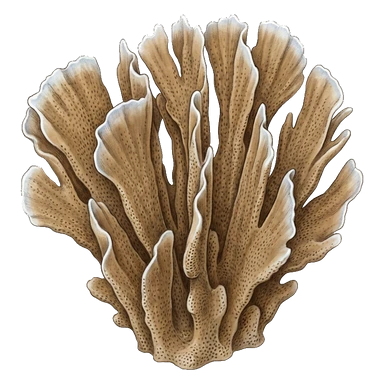 Mar dei Caraibi
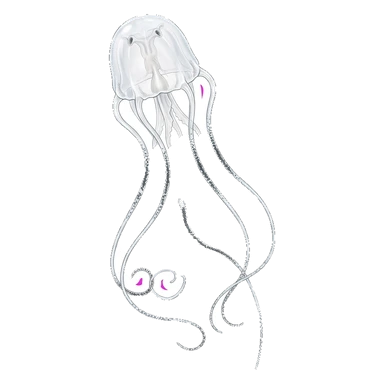 Mar dei Coralli
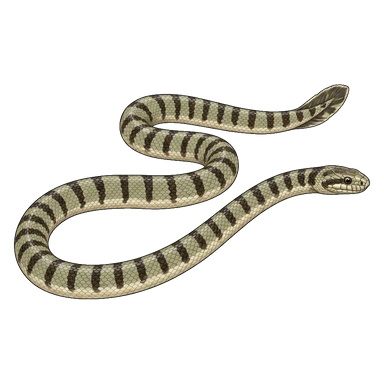 Mar Cinese Meridionale
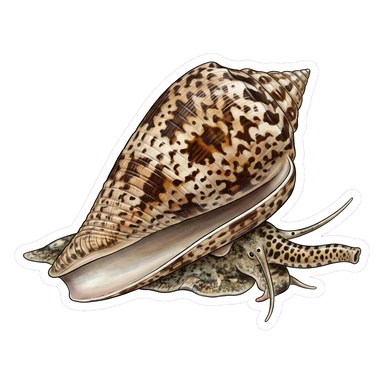 Mar delle Filippine
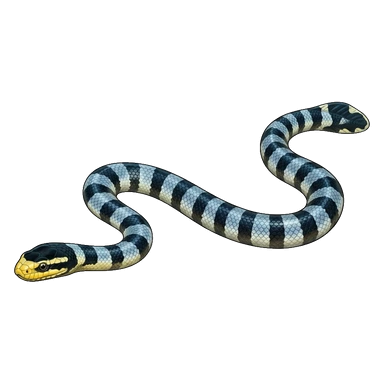 Mare delle Andamane
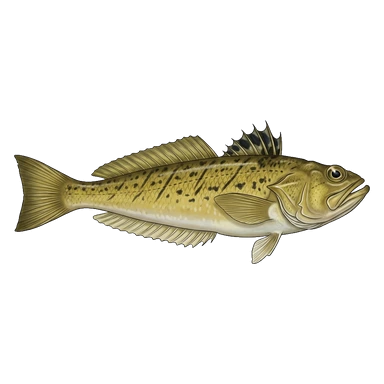 Mare del Nord
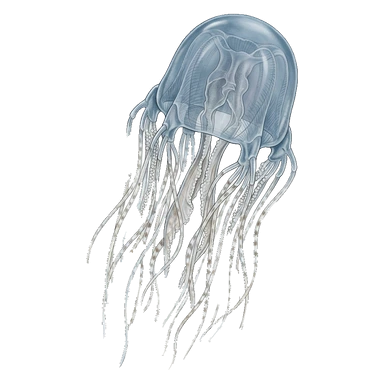 Mar di Timor e Mar degli Arafura
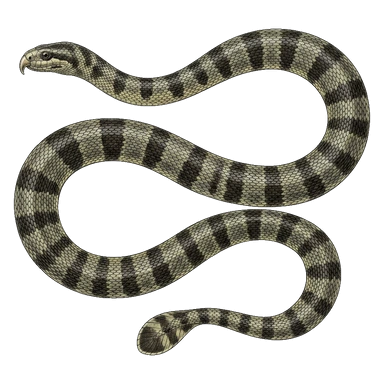 Golfo del Bengala
 Golfo di California
Platypus
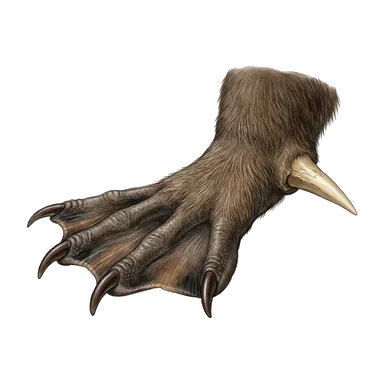 Speroni velenosi
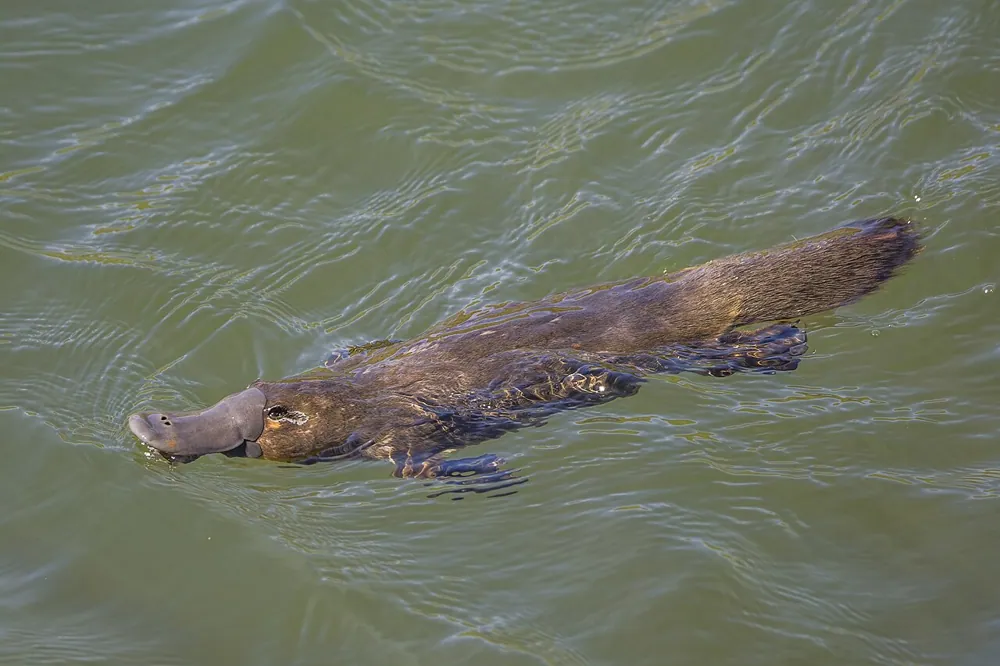
The platypus is a semiaquatic mammal that lays eggs, and it has a duck-like bill and a beaver-like tail. It lives in eastern Australia, including Tasmania. It is special because it is one of the few venomous mammals.1

 Come riconoscerlo
- Short, dense, brown fur that is waterproof1
- A soft, duck-like bill1
- A wide, flat, furry tail, unlike the scaly tail of a beaver1
- Short legs with webbing, most noticeably on the front feet1
- Small eyes and ears that sit in a groove that closes underwater1
Spesso confuso con: Early European naturalists were confused by the platypus and thought it was a fake, made by sewing a duck's beak onto a beaver-like body. Its tail looks like a beaver's, but it is furry rather than scaly.1
Potere del veleno
Uno sperone appuntito sulle zampe posteriori porta il veleno.
Cosa fa il suo veleno?
Only the male platypus has venom, which it injects through a spur on each hind foot. The venom is powerful enough to cause extreme pain in humans. The affected limb then develops swelling, which starts at the wound and spreads.1
Quanto è pericoloso per le persone?
Pericolo per le persone: DolorosoPuò fare davvero male, ma non è quasi mai grave.The venom is extremely painful.1
 Se il suo sperone ti trafigge
- Lava bene la ferita e cerca aiuto medico.
Chiama sempre prima il numero di emergenza (112, 000, 911). Queste sono indicazioni generali di primo soccorso, non consigli medici. Primo soccorso di base
 Stai al sicuro
- Non toccare, catturare o stuzzicare mai un animale selvatico, anche se è piccolo e anche se sembra addormentato o morto.
- Lasciagli spazio. Se ne incontri uno, resta calmo, indietreggia piano e lascialo andare per la sua strada.
- Se il suo sperone ti trafigge: resta calmo, stai fermo, chiama il numero di emergenza (112, 000, 911) o vai subito in ospedale. Ricorda com'era, una foto aiuta.
Non ce l'ha con te. Usa il veleno per procurarsi il cibo o per difendersi, e preferisce di gran lunga nascondersi. Altro su come stare al sicuro
Dove nel mondo?
Quanto è grande?
Quanto è lungo?
Quanto pesa?
 lungo come 3 banane in fila
 lungo come 16 mattoncini da costruzione in fila
 potrebbe nuotare per tutta la lunghezza di una grande piscina (50 m) in 51 secondi
Quanto è grande Platypus rispetto a TE?
Solo calcoli nel tuo browser. Niente viene salvato o inviato da nessuna parte.
Quanto è veloce?
Informazioni
The platypus has about 40,000 electroreceptors in its bill, which detect electric signals from prey in murky water.1
Its fur is one of the most densely packed of any mammal, behind only otters. It also glows cyan and green under ultraviolet light.1
The platypus lacks a functional stomach, because it does not have the genes needed to make pepsin, a digestive enzyme.1
Adult platypuses have no teeth. They have heavily keratinised grinding pads instead, and young platypuses lose their teeth around the time they leave their burrow.1
Its average body temperature is about 32 °C, lower than the 37 °C typical of placental mammals.1
Sfatiamo i miti
Mito: The platypus is a hoax, made by sewing several animals together.
Verità: The platypus is a real species. When the first scientists examined a preserved body in 1799, they doubted it, and George Shaw even used scissors to check for stitches.1
Per gli esperti di veleni
- Nome scientifico
- Ornithorhynchus anatinus
- Gruppo
- Mammiferi velenosi
- Famiglia
- Ornithorhynchidae2
- Ordine
- Monotremata
- Continenti
- Australia e Oceania
- Cuccioli
- The platypus lays eggs instead of giving birth to live young.1
- Come se la passa in natura
- Near-threatened (IUCN). A November 2020 report recommended upgrading it to threatened under Australia's federal EPBC Act.1
- Pericolo per le persone
- 2 / 5: Doloroso3
Da dove vengono le informazioni
- Platypus (Wikipedia (CC BY-SA 4.0))
- Ornithorhynchus anatinus (iNaturalist): nomi e classificazione.
- Venom Wiki: il livello di pericolo, la taglia tipica e la stima della velocità sono nostri. Guarda come li calcoliamo: Come valutiamo il pericolo.
Ogni informazione in questa pagina ha un numero che rimanda alla sua fonte. Se abbiamo sbagliato qualcosa, scusa, siamo appassionati di animali, non una rivista scientifica. Scrivici a [email protected] e lo correggeremo.
 Lo scorpione ha fame! Venom Wiki è un progetto di una sola persona: gratis, senza pubblicità e senza tracker. Una piccola mancia aiuta a tenerlo online.Dai da mangiare allo scorpione
 Common vampire bat
 Bengal slow loris
 Cuban solenodon
 Hispaniolan solenodon
 Javan slow loris
 Pygmy slow loris
 Coastal taipan
 Common death adder
 Eastern brown snake
 Taipan dell'interno
 Sydney funnel-web spider
 Serpente tigre
_Scottsdale.jpg)