
 អាហ្វ្រិក
 អាស៊ី
អាស៊ី អឺរ៉ុប
 អាមេរិកខាងត្បូង
 អូស្ត្រាលី និងអូសេអានី
 អង់តាក់ទិក
 មហាសមុទ្រប៉ាស៊ីហ្វិក
 មហាសមុទ្រអាត្លង់ទិក
 មហាសមុទ្រឥណ្ឌា
 មហាសមុទ្រអាកទិក
 សមុទ្រមេឌីទែរ៉ាណេ
 សមុទ្រក្រហម
 សមុទ្រការ៉ាអ៊ីប
 សមុទ្រផ្កាថ្ម
 សមុទ្រចិនខាងត្បូង
 សមុទ្រហ្វីលីពីន
 សមុទ្រអង់ដាម៉ាន់
 សមុទ្រខាងជើង
 សមុទ្រទីម័រ និងសមុទ្រអារ៉ាហ្វូរ៉ា
 ឈូងសមុទ្របេងហ្គាល់
 ឈូងសមុទ្រកាលីហ្វ័រញ៉ា
Atlantic stargazer
 បន្លាមានពិស
The Atlantic stargazer is a fish that lies buried in sand or mud with only its eyes showing. It lives along the Atlantic coasts of Europe and Africa, and in the Mediterranean and Black Sea. It is one of only a few fish that can make electricity.1



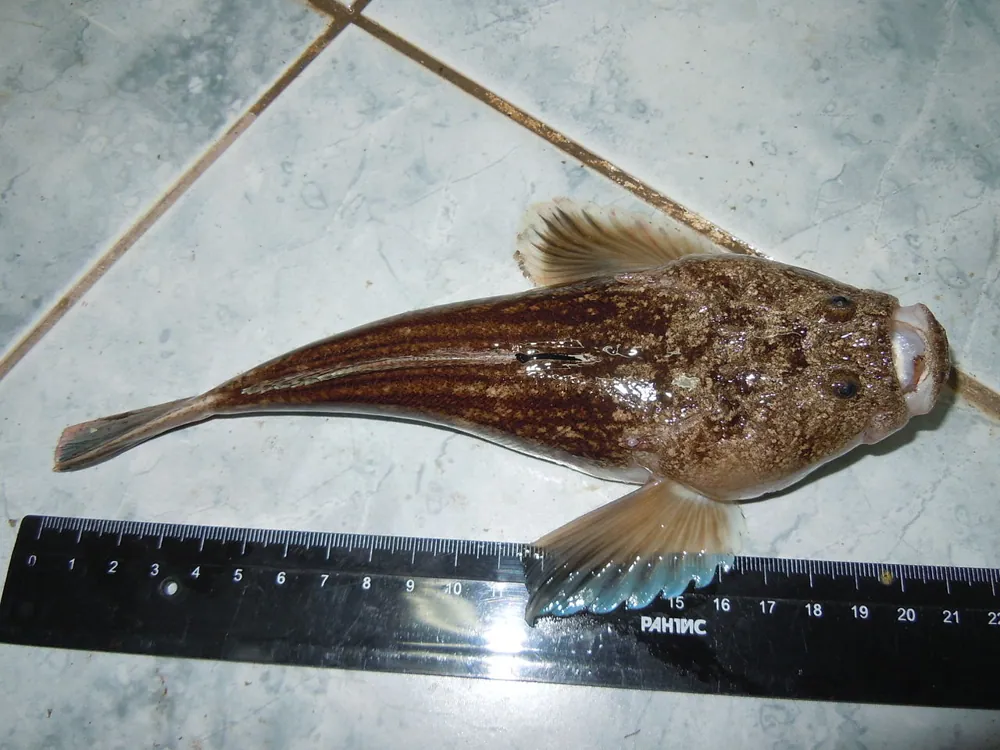
 របៀបស្គាល់វា
អំណាចពិស
បន្លាមុតស្រួចផ្ទុកពិស។ ការជាន់ ឬចាប់វាធ្វើឱ្យឈឺ។
តើវាគ្រោះថ្នាក់ប៉ុណ្ណាចំពោះមនុស្ស?
គ្រោះថ្នាក់ចំពោះមនុស្ស: ឈឺចាប់វាអាចឈឺខ្លាំងមែន ប៉ុន្តែស្ទើរតែមិនដែលធ្ងន់ធ្ងរទេ។តើវាធ្វើអ្វីនៅពេលវាខ្លាច?
When disturbed, it produces pulse-type electric organ discharges.1
 ប្រសិនបើបន្លារបស់វាចាក់អ្នក
- ដាក់របួសក្នុងទឹកក្តៅ ក្តៅតាមដែលអ្នករងគ្រោះអាចទ្រាំបានដោយមិនរលាក (សាកល្បងវាដោយដៃរបស់អ្នកផ្ទាល់) រយៈពេល 30 ទៅ 90 នាទី។ រកជំនួយវេជ្ជសាស្ត្រ ជាពិសេសសម្រាប់ត្រីថ្ម និងត្រីបបែល។
ត្រូវទូរស័ព្ទទៅលេខសង្គ្រោះបន្ទាន់ជាមុនសិនជានិច្ច (112, 000, 911)។ នេះជាការណែនាំសង្គ្រោះបឋមទូទៅ មិនមែនជាដំបូន្មានវេជ្ជសាស្ត្រទេ។ មូលដ្ឋាននៃការសង្គ្រោះបឋម
 រក្សាសុវត្ថិភាព
- កុំប៉ះ ចាប់ ឬរំខានសត្វព្រៃជាដាច់ខាត ទោះបីវាតូចក៏ដោយ ហើយទោះបីវាមើលទៅដូចជាកំពុងដេក ឬងាប់ក៏ដោយ។
- ទុកចន្លោះឱ្យវា។ ប្រសិនបើអ្នកជួបវា ចូរនៅស្ងប់ ថយក្រោយយឺតៗ ហើយទុកឱ្យវាទៅតាមផ្លូវរបស់វា។
- ប្រសិនបើបន្លារបស់វាចាក់អ្នក៖ ចូរនៅស្ងប់ នៅស្ងៀម ទូរស័ព្ទទៅលេខសង្គ្រោះបន្ទាន់ (112, 000, 911) ឬទៅមន្ទីរពេទ្យឱ្យបានលឿន។ ចងចាំថាវាមានរូបរាងយ៉ាងដូចម្តេច រូបថតមួយអាចជួយបាន។
វាមិនមែនចង់តាមចាប់អ្នកទេ។ វាប្រើពិសរបស់វាដើម្បីចាប់ចំណី ឬការពារខ្លួន ហើយវាចូលចិត្តលាក់ខ្លួនជាង។ បន្ថែមទៀតអំពីការរក្សាសុវត្ថិភាព
នៅកន្លែងណាក្នុងពិភពលោក?
តើវាធំប៉ុណ្ណា?
តើវាវែងប៉ុណ្ណា?
 វែងដូចប្លុកសំណង់ក្មេងលេង 11 ដុំតជាជួរ
 អាចហែលពេញប្រវែងអាងហែលទឹកធំ (50 ម៉ែត្រ) ក្នុងរយៈពេល 90 វិនាទី
តើ Atlantic stargazer ធំប៉ុណ្ណា បើប្រៀបនឹងអ្នក?
គ្រាន់តែជាការគណនានៅក្នុងកម្មវិធីរុករករបស់អ្នក។ គ្មានអ្វីត្រូវបានរក្សាទុក ឬផ្ញើទៅកន្លែងណាទេ។
តើវាលឿនប៉ុណ្ណា?

ការពិត
It is one of few fish capable of bioelectrogenesis, which means it can produce electricity.1
Its lure is a small strip of skin on its lower jaw, which it moves in and out rapidly to attract prey.1
It uses its electric organ to produce discharges when feeding and when disturbed.1
All species in its genus, Uranoscopus, have an electric organ that evolved from sonic muscles, but they lack the receptor organ needed to sense electric fields.1
It lacks a swimbladder, the gas-filled organ many fish use to control buoyancy.1
សម្រាប់អ្នកជំនាញខាងពិស
- ឈ្មោះវិទ្យាសាស្ត្រ
- Uranoscopus scaber
- ក្រុម
- ត្រីមានពិស
- គ្រួសារ
- Uranoscopidae2
- លំដាប់
- Labriformes
- ទ្វីបនានា
- មហាសមុទ្រអាត្លង់ទិក, សមុទ្រមេឌីទែរ៉ាណេ, មហាសមុទ្រ
- កូនតូចៗ
- It spawns between April and September, depending on the region, and produces pelagic eggs about 2 mm in diameter. The young remain pelagic after hatching.1
- គ្រោះថ្នាក់ចំពោះមនុស្ស
- 2 / 5: ឈឺចាប់3
ការពិតមកពីណា
- Atlantic stargazer (Wikipedia (CC BY-SA 4.0))
- Uranoscopus scaber (iNaturalist): ឈ្មោះ និងចំណាត់ថ្នាក់។
- Venom Wiki: កម្រិតគ្រោះថ្នាក់ ទំហំធម្មតា និងការប៉ាន់ស្មានល្បឿន គឺជារបស់យើងផ្ទាល់។ មើលពីរបៀបដែលយើងគណនាវា៖ របៀបដែលយើងវាយតម្លៃគ្រោះថ្នាក់.
ការពិតនីមួយៗនៅលើទំព័រនេះមានលេខដែលចង្អុលទៅប្រភពរបស់វា។ ប្រសិនបើយើងសរសេរខុស សូមអភ័យទោស យើងជាអ្នកស្រឡាញ់សត្វ មិនមែនជាទស្សនាវដ្តីវិទ្យាសាស្ត្រទេ។ ប្រាប់យើងតាម [email protected] ហើយយើងនឹងកែវា។
 ខ្ទួយឃ្លានហើយ! Venom Wiki ជាគម្រោងរបស់មនុស្សម្នាក់៖ ឥតគិតថ្លៃ គ្មានការផ្សាយពាណិជ្ជកម្ម និងគ្មានកម្មវិធីតាមដាន។ ការឧបត្ថម្ភតិចតួចជួយឱ្យវានៅតែដំណើរការលើអ៊ីនធឺណិត។ផ្តល់ចំណីខ្ទួយ
បន្ថែមទៀតពីក្រុមដូចគ្នា: ត្រីមានពិស
 Reef stonefish
 Red lionfish
 Estuarine stonefish
 Short-tail stingray
 Striped eel catfish
 Bluespotted ribbontail ray
ក៏រស់នៅក្នុង: មហាសមុទ្រអាត្លង់ទិក
 Hawksbill sea turtleសត្វពុលផ្សេងទៀតអាចសម្លាប់បាន
 Portuguese man o' warចាហួយសមុទ្រ និងសត្វសមុទ្រដែលទិចត្រូវការគ្រូពេទ្យកុំប៉ះ
 Blue sea dragonខ្យងកោណ និងមឹកយក្សគ្រាន់តែឈឺ
 Greenland sharkសត្វពុលផ្សេងទៀតគ្រាន់តែឈឺ
 Lion's mane jellyfishចាហួយសមុទ្រ និងសត្វសមុទ្រដែលទិចគ្រាន់តែឈឺកុំប៉ះ
 Common octopusខ្យងកោណ និងមឹកយក្សគ្មានគ្រោះថ្នាក់