
 Afrika
 Azia
Azia Erópa
Erópa Amerika ya Sude
 Australia & Océanie
 Antarctique
 Océan Pacifique
 Océan Atlantique
 Océan Indien
 Océan Arctique
 Mer Méditerranée
 Mer Rouge
 Mer des Caraïbes
 Mer de Corail
 Mer de Chine méridionale
 Mer des Philippines
 Mer d'Andaman
 Mer du Nord
 Mer de Timor & Mer d'Arafura
 Golfe du Bengale
 Golfe de Californie
Pine processionary
 Nsuki oyo etubaka
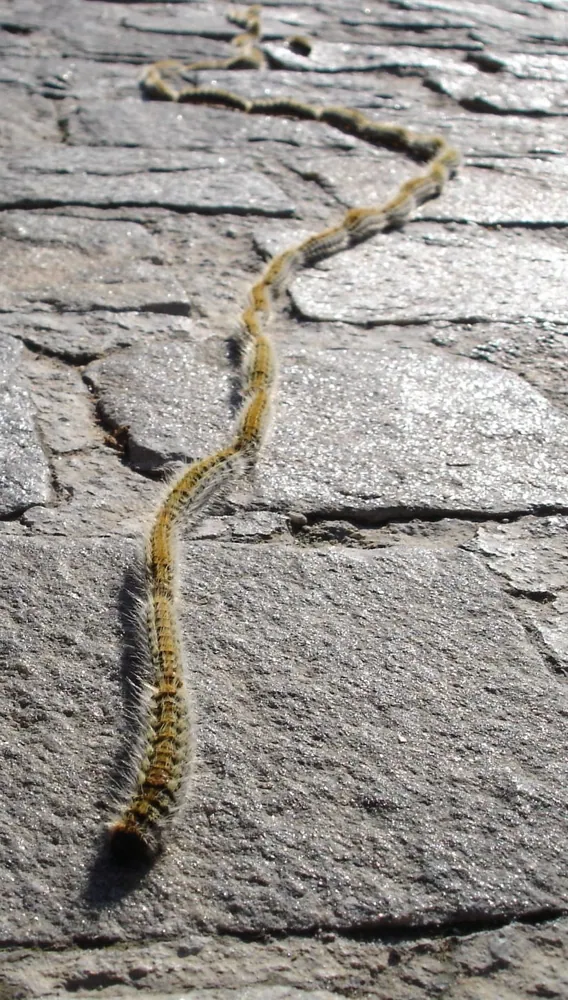
The pine processionary is a moth whose caterpillars are famous for marching in long, nose-to-tail lines through pine woods. Their hairs cause painful rashes and eye irritation, and they can strip the needles from whole trees. It lives around the Mediterranean and is spreading north.1
 Ndenge ya koyeba yango
- Caterpillars are orange-brown and hairy, with blue bands.1
- Large silken nests in pine trees, often with several in one tree and signs of stripped needles.1
- Caterpillars move in single-file processions, usually at night and when leaving the tree to pupate.1
- Adults have predominantly light brown forewings with brown markings and white hindwings.1
- Adult males have a crescent marking on the wings and are larger than the oak processionary.1
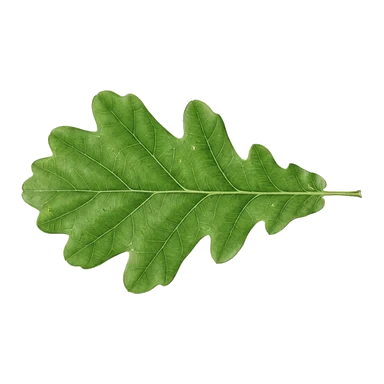
Bakosanaka yango mbala mingi na: The oak processionary (Thaumetopoea processionea) is smaller as an adult, has an indistinct wing marking rather than a crescent, and lives in broad-leaved rather than coniferous forests. The pale eggar moth has no crescent marking on its wings.1
Makasi ya venin
Nsuki to ba poil ya mike ebukanaka na kati ya loposo mpe etubaka.
Venin na yango esalaka nini?
The species is not venomous. Its caterpillars have hairs containing an irritant chemical called thaumetopoein, which causes skin rashes (urticaria) and eye irritation on contact. Some people may have an allergic reaction. The hairs of fifth-stage larvae can also break off and spread across nearby exposed skin.1
Likama na yango mpo na bato ezali boni?
Likama mpo na bato: Epesaka pasiEkoki kopesa pasi mingi, kasi pene na ntango nyonso ezalaka likambo monene te.Simple contact with the caterpillar hairs can cause severe rashes and eye irritation in humans and other mammals. Some individuals may have an allergic reaction.1
Esalaka nini ntango ebangi?
When stressed or threatened, fifth-stage caterpillars eject harpoon-shaped hairs that irritate any exposed skin nearby.1
 Soki osimbi nsuki na yango
- Mpo na nsuki ya mbinzo oyo etubaka: longola yango na scotch, sima sukola loposo. Kofrotter loposo te.
- Mpo na kosuama: sukola mpe pesa malili. Luka lisalisi ya monganga soki moto ayoki nzoto malamu te to soki makila ezali kobima ye pete.
Benga ntango nyonso nimero ya urgence liboso (112, 000, 911). Oyo ezali toli ya lisalisi ya liboso, ezali toli ya monganga te. Makambo ya moboko ya lisalisi ya liboso
 Zala na libateli
- Ata mokolo moko te, simba, kanga to silikisa nyama ya zamba te, ata ya moke, mpe ata soki emonani lokola elali to ekufi.
- Tika yango esika. Soki okutani na moko, zala kimia, zonga sima malembe mpe tika ekende nzela na yango.
- Soki osimbi nsuki na yango: zala kimia, ningana te, benga nimero ya urgence na yo (112, 000, 911) to kende na lopitalo noki. Kanisa ndenge ezalaki, foto esalisaka.
Ezali koluka yo te. Esalelaka venin na yango mpo na kokanga bilei to komibatela, mpe elingaka mingi kobombama. Makambo mosusu mpo na komibatela
Monene na yango boni?
Molai na yango boni?
 pene na molai ya trombone
 malembe koleka escargot ya elanga
Pine processionary azali monene boni soki tokokanisi na YO?
Kaka ba calcul na navigateur na yo. Eloko moko te ebombamaka to etindamaka esika moko.
Mbangu na yango boni?


Makambo ya solo
Caterpillars in a procession hold together through touch from the caterpillar in front, which takes priority over the trail pheromone or silk.1
The caterpillars are one of the few temperate-zone insects whose larvae develop through the winter, living in silk nests high in pine trees.1
Adults live for only a single day, during which they mate and lay eggs.1
The Greek physician Dioscorides described the itching caused by this caterpillar in the 1st century AD, and Pliny the Elder recorded a treatment for it.1
Outbreaks are somewhat cyclical, with a period of 7 to 9 years.1
Solo to lokuta?
Lokuta: Fabre's caterpillars marched in a circle around a flower pot only because they were trapped on its rim.
Solo: Young caterpillars' circular trails continue for as long as 12 hours even when they are free on a flat surface.1
Mpo na ba expert ya venin
- Kombo ya siansi
- Thaumetopoea pityocampa
- Ebota
- Ba mbinzo & ba insecte
- Libota
- Notodontidae2
- Molongo
- Lepidoptera
- Bakontina
- Erópa, Afrika, Azia
- Bana
- Each female lays an enormous number of eggs near the tops of pine trees, in cylindrical egg masses 4 to 5 cm long covered with scales that mimic pine shoots.1
- Likama mpo na bato
- 2 / 5: Epesaka pasi3
Esika makambo euti
- Pine processionary (Wikipedia (CC BY-SA 4.0))
- Thaumetopoea pityocampa (iNaturalist): bankombo mpe classification.
- Venom Wiki: niveau ya likama, monene ya momesano mpe kokanisa ya mbangu ezali ya biso moko. Tala ndenge tolukaka yango: Ndenge tomekaka likama.
Likambo nyonso na lokasa oyo ezali na nimero oyo elakisi source na yango. Soki tosali libunga, limbisa biso, tozali bato oyo balingaka banyama, zulunale ya siansi te. Yebisa biso na [email protected] mpe tokobongisa yango.
 Scorpion azali na nzala! Venom Wiki ezali mosala ya moto moko: ya ofele, pibilisite te mpe trackers te. Mwa mbongo moke ya kosalisa esalisaka mpo ete etikala na internet.Pesa scorpion bilei
Mosusu ya ebota moko: Ba mbinzo & ba insecte
 Oak processionaryBa mbinzo & ba insecteEpesaka kaka pasiKosimba te
 White-spotted assassin bugBa mbinzo & ba insecteEpesaka kaka pasi
 Common bombardier beetleBa mbinzo & ba insecteEzangi likama
 Asian giant water bugBa mbinzo & ba insecteEpesaka kaka pasi
 Blue-striped nettle grubBa mbinzo & ba insecteEpesaka kaka pasiKosimba te
 Brown-tail mothBa mbinzo & ba insecteEpesaka kaka pasiKosimba te
Ezalaka mpe na: Erópa
 Common European adderBa vipère & ba adderEsengeli monganga
 Spanish flyBanyama mosusu ya poisonEsengeli mongangaKosimba te
 Common waspNzoi, ba guêpe & ba frelonEpesaka kaka pasi
 European hornetNzoi, ba guêpe & ba frelonEpesaka kaka pasi
 Fire salamanderBa grenouille ya poison, ba crapaud & ba tritonEpesaka kaka pasiKosimba te
 Western honey beeNzoi, ba guêpe & ba frelonEpesaka kaka pasi