
 Afrika
 Azië
Azië Europa
 Zuid-Amerika
 Australië & Oceanië
 Antarctica
 Grote Oceaan
 Atlantische Oceaan
 Indische Oceaan
 Noordelijke IJszee
 Middellandse Zee
 Rode Zee
 Caribische Zee
 Koraalzee
 Zuid-Chinese Zee
 Filipijnenzee
 Andamanse Zee
 Noordzee
 Timorzee & Arafurazee
 Golf van Bengalen
 Golf van Californië
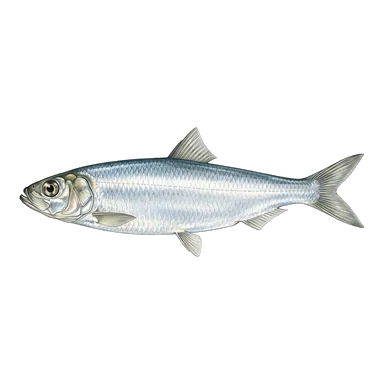
Marbled spinefoot
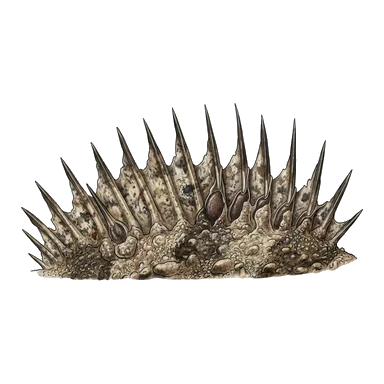 Giftige stekels
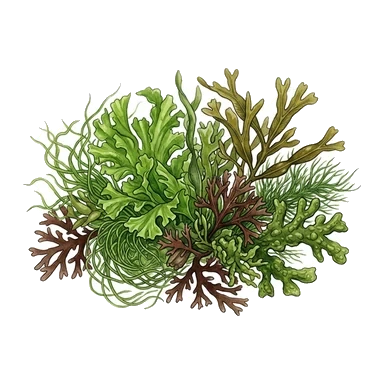
The marbled spinefoot is a shoaling fish that mostly eats algae. It lives in shallow warm seas in the Red Sea and western Indian Ocean, and it has spread into the Mediterranean. Its spines carry venom, so it is one to leave alone.1
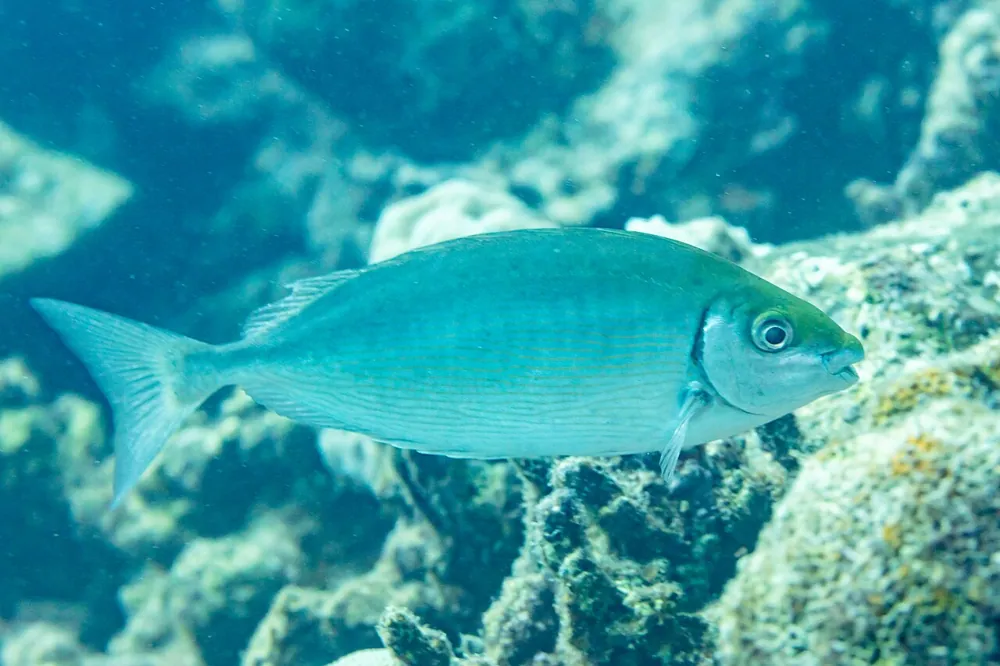
 Zo herken je het
,_Yeda,_Arabia_Saudita,_2025-05-19,_DD_86.jpg)
Gifkracht
Scherpe stekels bevatten het gif. Erop stappen of het vastpakken doet pijn.
Wat doet zijn gif als het bijt of steekt?
The spines in the fins have venom glands at their base. The venom is a protein that is damaged by heat. The sting is very painful.1
Hoe gevaarlijk is het voor mensen?
Gevaar voor mensen: PijnlijkHet kan echt pijn doen, maar het is bijna nooit ernstig.The spines can inflict a painful sting if the fish is handled incorrectly. No deaths from its venom have been recorded. Separately, poisoning has been recorded in Israel after people ate its flesh, linked to fish caught in polluted water.1
Wat doet het als het bang is?
Its spines are barbed and venomous, and they can injure anyone who handles the fish carelessly.1
 Als zijn stekels je prikken
- The affected area should be treated with as high a temperature as possible, within 43 to 46 °C, because heat damages the venom. The person should also be checked for possible infection.1
- Houd de wond in heet water, zo heet als de persoon kan verdragen zonder zich te verbranden (test het met je eigen hand), 30 tot 90 minuten lang. Haal medische hulp, vooral bij steenvissen en pijlstaartroggen.
Bel altijd eerst je alarmnummer (112, 000, 911). Dit is algemene EHBO-informatie, geen medisch advies. EHBO-basis
 Blijf veilig
- Raak een wild dier nooit aan, vang het niet en pest het niet, ook geen kleintje, en ook niet als het lijkt te slapen of dood lijkt.
- Geef het de ruimte. Kom je er een tegen, blijf rustig, stap langzaam achteruit en laat het zijn eigen weg gaan.
- Als zijn stekels je prikken: blijf rustig, beweeg niet, bel je alarmnummer (112, 000, 911) of ga snel naar een ziekenhuis. Onthoud hoe het eruitzag, een foto helpt.
Het is niet op jou uit. Het gebruikt zijn gif om voedsel te vangen of zichzelf te beschermen, en verstopt zich veel liever. Meer over veilig blijven
Waar ter wereld?
Hoe groot is het?
Hoe lang is het?
 zo lang als 2 bananen achter elkaar
 zo lang als 12 speelgoedbouwsteentjes op een rij
 zou de lengte van een groot zwembad (50 m) in 35 seconden kunnen zwemmen
Hoe groot is Marbled spinefoot vergeleken met JOU?
Alleen rekenwerk in je browser. Er wordt niets opgeslagen of verstuurd.
Hoe snel is het?
Feiten
Some people have reported hallucinations after eating it.1
Eating its flesh has caused poisoning, and the toxins involved are similar to ciguatoxin.1
Its spines carry venom from glands at their base, so the fish can sting when it is handled.1
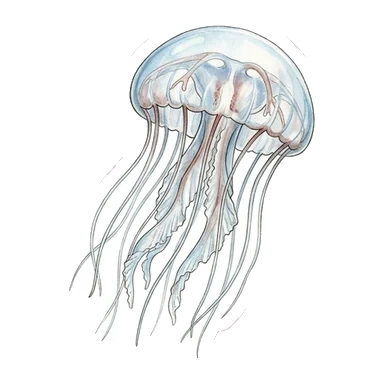
Adults can eat jellyfish, including comb jellies and moon jellyfish, in parts of the northern Red Sea.1
It reached the Mediterranean through the Suez Canal, first recorded off Palestine in 1927.1
It can be bred in captivity and is being studied as a farmed fish because it eats plant-based feed.1
Voor gifexperts
- Wetenschappelijke naam
- Siganus rivulatus
- Groep
- Giftige vissen
- Familie
- Siganidae2
- Orde
- Acanthuriformes
- Continenten
- Indische Oceaan, Rode Zee, Middellandse Zee, Arabische Zee & Perzische Golf, De oceanen
- Baby's
- The fish lays eggs, which are fertilised outside the body. The eggs are 0.5 to 0.6 mm across, and the adults give them no care.1
- Gevaar voor mensen
- 2 / 5: Pijnlijk3
Waar de feiten vandaan komen
- Siganus rivulatus (Wikipedia (CC BY-SA 4.0))
- Siganus rivulatus (iNaturalist): namen en indeling.
- Venom Wiki: het gevarenniveau, de typische grootte en de geschatte snelheid zijn van onszelf. Zo berekenen we ze: Hoe we gevaar beoordelen.
Elk feit op deze pagina heeft een nummer dat naar de bron wijst. Hebben we iets fout? Sorry, we zijn dierenfans, geen wetenschappelijk tijdschrift. Laat het ons weten via [email protected] en we passen het aan.
 De schorpioen heeft honger! Venom Wiki is een eenmansproject: gratis, zonder reclame en zonder trackers. Een kleine fooi helpt om het online te houden.Voer de schorpioen
Meer uit dezelfde groep: Giftige vissen
 Reef stonefishGiftige vissenKan dodenNiet aanraken
 Red lionfishGiftige vissenMoet naar de dokterNiet aanraken
 Estuarine stonefishGiftige vissenKan dodenNiet aanraken
 Short-tail stingrayGiftige vissenKan doden
 Striped eel catfishGiftige vissenKan dodenNiet aanraken
 Bluespotted ribbontail rayGiftige vissenMoet naar de dokter
Leeft ook in: Indische Oceaan
 Australian box jellyfishKwallen & netelende zeedierenDodelijkNiet aanraken
 Geography coneKegelslakken & octopussenDodelijk
 Greater blue-ringed octopusKegelslakken & octopussenDodelijk
 Southern blue-ringed octopusKegelslakken & octopussenDodelijk
 Hawksbill sea turtleAndere passief giftige dierenKan doden
 Irukandji jellyfishKwallen & netelende zeedierenKan dodenNiet aanraken