
 Afrika
 Azië
Azië Europa
 Zuid-Amerika
 Australië & Oceanië
 Antarctica
 Grote Oceaan
 Atlantische Oceaan
 Indische Oceaan
 Noordelijke IJszee
 Middellandse Zee
 Rode Zee
 Caribische Zee
 Koraalzee
 Zuid-Chinese Zee
 Filipijnenzee
 Andamanse Zee
 Noordzee
 Timorzee & Arafurazee
 Golf van Bengalen
 Golf van Californië
Plate fire coral
 Steken
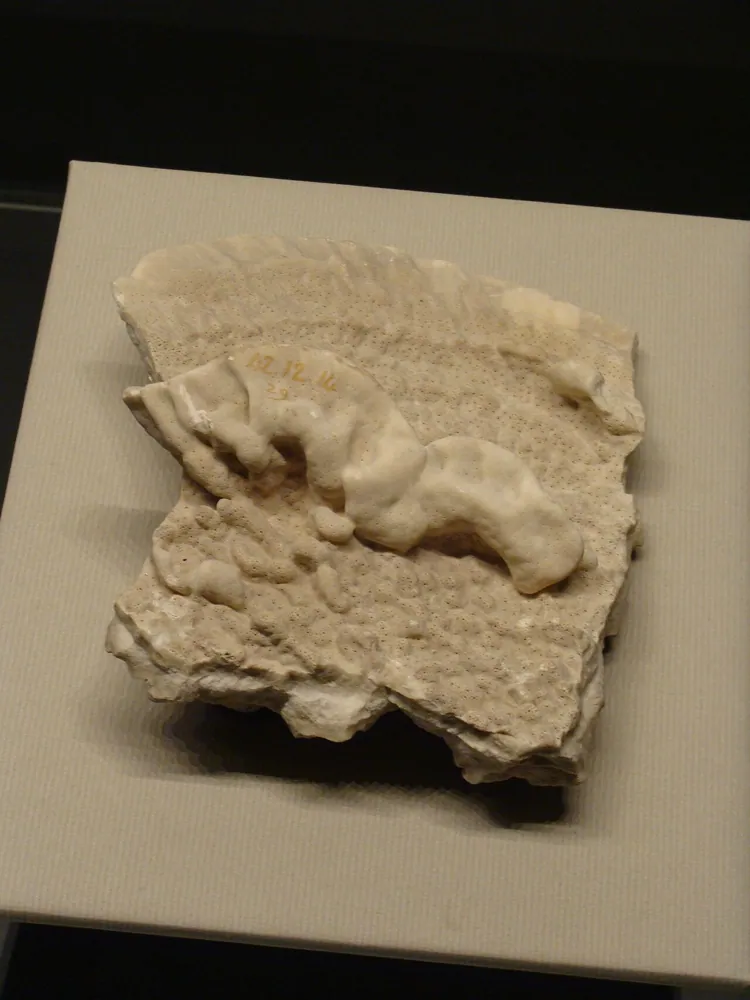
Plate fire coral is a reef-building animal that looks like a coral but is actually a relative of jellyfish. It grows in shallow, sunny reef water across the Indo-Pacific, from the Red Sea and East Africa to northern Australia and French Polynesia. It matters because it helps build reefs and can give a painful burning sting.1


 Zo herken je het
- Colonies are yellow-green or light-brown, and the tips may be white.1
- It usually grows in plate-like or blade-like forms, though it can also form branches, fans or encrusting layers.1
- Colonies often measure 200 to 300 cm across and can be up to 200 cm high.1
Vaak verward met: Other fire corals, such as Millepora dichotoma and Millepora exaesa, are often confused with it. Plate fire coral is generally plate-like or blade-like, which helps tell it apart from them.1
Gifkracht
Het gif komt naar buiten via een angel.
Wat doet zijn gif als het bijt of steekt?
Its defensive polyps carry stinging cells called nematocysts. Contact with them causes a burning sensation in humans.1
Hoe gevaarlijk is het voor mensen?
Gevaar voor mensen: PijnlijkHet kan echt pijn doen, maar het is bijna nooit ernstig.Wat doet het als het bang is?
Its defensive polyps have long tentacles that sting anything that touches them.1
 Als het steekt
- Kom uit het water en haal alle tentakels eraf (met handschoenen of een doek).
- Bij tropische kubuskwallen: giet minstens 30 seconden azijn op de steken, bel om hulp en wees klaar om te reanimeren. Bij Portugese oorlogsschepen en de meeste andere: spoel met zeewater, daarna heet water tegen de pijn.
Bel altijd eerst je alarmnummer (112, 000, 911). Dit is algemene EHBO-informatie, geen medisch advies. EHBO-basis
 Blijf veilig
- Raak een wild dier nooit aan, vang het niet en pest het niet, ook geen kleintje, en ook niet als het lijkt te slapen of dood lijkt.
- Geef het de ruimte. Kom je er een tegen, blijf rustig, stap langzaam achteruit en laat het zijn eigen weg gaan.
- Als er een je steekt: blijf rustig, beweeg niet, bel je alarmnummer (112, 000, 911) of ga snel naar een ziekenhuis. Onthoud hoe het eruitzag, een foto helpt.
Het is niet op jou uit. Het gebruikt zijn gif om voedsel te vangen of zichzelf te beschermen, en verstopt zich veel liever. Meer over veilig blijven
Waar ter wereld?
Hoe groot is het?
Hoe lang is het?
 zo lang als 3 honden van neus tot staart
 zo lang als 17 bananen achter elkaar
 langzamer dan een tuinslak
Hoe groot is Plate fire coral vergeleken met JOU?
Alleen rekenwerk in je browser. Er wordt niets opgeslagen of verstuurd.
Hoe snel is het?


Feiten
Despite its name, plate fire coral is not a true coral. It belongs to the class Hydrozoa, which is separate from the stony and soft corals.1
It has two kinds of polyps: feeding polyps for catching food and defensive polyps with longer tentacles for protection.1
Its colonies can break into fragments during rough water, and these fragments can drift and start new colonies on nearby reefs.1
It can take many forms, including branches, fans, plates, blades and encrusting layers, and its shape depends on where it grows.1
It was once thought to have disappeared from the Eastern Pacific after bleaching events, but researchers later confirmed that its range extends back there.1
It helps build reefs in the Indo-Pacific region.1
Fabeltjes-checker
Fabel: Plate fire coral is a true coral.
Waarheid: It is a hydrozoan, not a true coral, and is separate from the stony and soft corals.1
Voor gifexperts
- Wetenschappelijke naam
- Millepora platyphylla
- Groep
- Kwallen & netelende zeedieren
- Familie
- Milleporidae2
- Orde
- Anthoathecata
- Continenten
- Grote Oceaan, Indische Oceaan, Rode Zee, Koraalzee, Filipijnenzee, Timorzee & Arafurazee, Golf van Bengalen, De oceanen
- Baby's
- It releases reproductive buds that send eggs and sperm into the water, where fertilisation happens outside the body. The free-swimming larvae settle and become polyps after about 1 day.1
- Gevaar voor mensen
- 2 / 5: Pijnlijk3
Waar de feiten vandaan komen
- Millepora platyphylla (Wikipedia (CC BY-SA 4.0))
- Millepora platyphylla (iNaturalist): namen en indeling.
- Venom Wiki: het gevarenniveau, de typische grootte en de geschatte snelheid zijn van onszelf. Zo berekenen we ze: Hoe we gevaar beoordelen.
Elk feit op deze pagina heeft een nummer dat naar de bron wijst. Hebben we iets fout? Sorry, we zijn dierenfans, geen wetenschappelijk tijdschrift. Laat het ons weten via [email protected] en we passen het aan.
 De schorpioen heeft honger! Venom Wiki is een eenmansproject: gratis, zonder reclame en zonder trackers. Een kleine fooi helpt om het online te houden.Voer de schorpioen
Meer uit dezelfde groep: Kwallen & netelende zeedieren
 Australische kubuskwalKwallen & netelende zeedierenDodelijkNiet aanraken
 Irukandji jellyfishKwallen & netelende zeedierenKan dodenNiet aanraken
 Portuguese man o' warKwallen & netelende zeedierenMoet naar de dokterNiet aanraken
 Lion's mane jellyfishKwallen & netelende zeedierenDoet alleen pijnNiet aanraken
 Moon jellyfishKwallen & netelende zeedierenOngevaarlijk
 Common kingslayerKwallen & netelende zeedierenKan dodenNiet aanraken
Leeft ook in: Grote Oceaan
 Geografische kegelslakKegelslakken & octopussenDodelijk
 Grote blauwgeringde octopusKegelslakken & octopussenDodelijk
 Japanse kogelvisAndere passief giftige dierenDodelijk
 Zuidelijke blauwgeringde octopusKegelslakken & octopussenDodelijk
 Hawksbill sea turtleAndere passief giftige dierenKan doden
 Reef stonefishGiftige vissenKan dodenNiet aanraken