
 Afrikaa
 Eeshiyaa
 Awurooppaa
 Ameerikaa Kibbaa
 Awustiraaliyaa fi Oshiyaaniyaa
 Antaarkitikaa
 Garba Paasifikii
 Garba Atlaantikii
 Garba Hindii
 Garba Arkitikii
 Galaana Meditiraaniyaa
 Galaana Diimaa
 Galaana Kaariibiyaan
 Galaana Kooraal
 Galaana Chaayinaa Kibbaa
 Galaana Filippiinsii
 Galaana Andamaan
 Galaana Kaabaa
 Galaana Timoor fi Araafuuraa
 Galaana Bengaal
 Galaana Kaaliforniyaa
Pine processionary
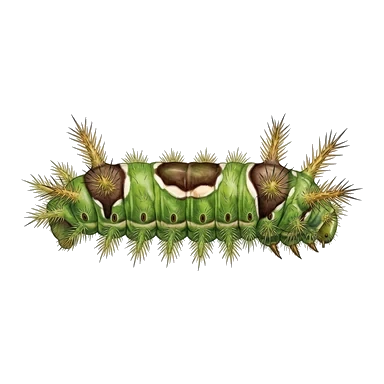 Rifeensa iddu
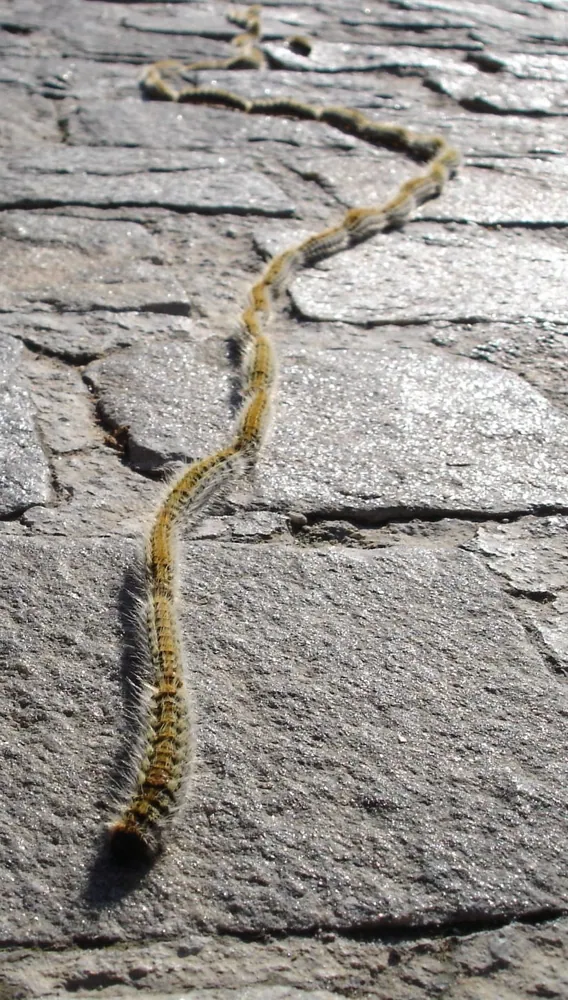
The pine processionary is a moth whose caterpillars are famous for marching in long, nose-to-tail lines through pine woods. Their hairs cause painful rashes and eye irritation, and they can strip the needles from whole trees. It lives around the Mediterranean and is spreading north.1
 Akkaataa itti beekamu
- Caterpillars are orange-brown and hairy, with blue bands.1
- Large silken nests in pine trees, often with several in one tree and signs of stripped needles.1
- Caterpillars move in single-file processions, usually at night and when leaving the tree to pupate.1
- Adults have predominantly light brown forewings with brown markings and white hindwings.1
- Adult males have a crescent marking on the wings and are larger than the oak processionary.1
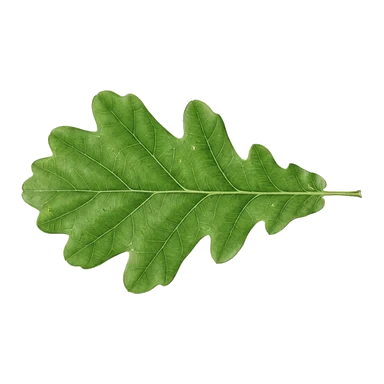
Yeroo baay'ee kan itti wal fakkeessan: The oak processionary (Thaumetopoea processionea) is smaller as an adult, has an indistinct wing marking rather than a crescent, and lives in broad-leaved rather than coniferous forests. The pale eggar moth has no crescent marking on its wings.1
Humna summii
Rifeensi ykn qoccoon xixiqqoon gogaa keessatti cabanii iddu.
Summiin isaa (ciniinnaa ykn iddiin) maal godha?
The species is not venomous. Its caterpillars have hairs containing an irritant chemical called thaumetopoein, which causes skin rashes (urticaria) and eye irritation on contact. Some people may have an allergic reaction. The hairs of fifth-stage larvae can also break off and spread across nearby exposed skin.1
Namootaaf hammam balaa qaba?
Balaa namootaaf: Ni dhukkubsaBaay'ee dhukkubsuu danda'a, garuu gonkumaa jechuun ni danda'ama cimaa hin ta'u.Simple contact with the caterpillar hairs can cause severe rashes and eye irritation in humans and other mammals. Some individuals may have an allergic reaction.1
Yeroo sodaatu maal godha?
When stressed or threatened, fifth-stage caterpillars eject harpoon-shaped hairs that irritate any exposed skin nearby.1
 Yoo rifeensa isaa tuqxe
- Rifeensa raammoo iddu irratti: teeppii maxxanaatiin kaasi, sana booda gogaa dhiqi. Hin sukkuumin.
- Ciniinnaaf: dhiqi fi qabbaneessi. Yoo namichi dhukkubsate ykn salphaatti dhiigni isa ba'e, gargaarsa yaalaa argadhu.
Yeroo hunda dursa lakkoofsa balaa tasaa kee bilbili (112, 000, 911). Kun qajeelfama gargaarsa jalqabaa waliigalaa ti, gorsa yaalaa miti. Bu'uura gargaarsa jalqabaa
 Nageenyaan turi
- Bineensa bosonaa gonkumaa hin tuqin, hin qabin, hin tuttuqin, xiqqaa ta'us, rafe ykn du'e fakkaatus.
- Iddoo itti kenni. Yoo tokko wajjin wal argite, tasgabbaa'i, suuta duubatti deebi'iitii karaa isaa akka deemu dhiisi.
- Yoo rifeensa isaa tuqxe: tasgabbaa'i, sochii malee turi, lakkoofsa balaa tasaa kee (112, 000, 911) bilbili ykn dafii hospitaala ga'i. Maal akka fakkaatu yaadadhu, suuraan ni gargaara.
Si miidhuuf si hin barbaadu. Summii isaa nyaata qabachuuf ykn of eeguuf fayyadama, dhokachuu immoo baay'ee filata. Waa'ee nageenyaa dabalataan
Addunyaa keessaa eessatti?
Hammam guddaa dha?
Dheerinni isaa hammam?
 gara dheerina kilippii waraqaa
 qocaa iddoo biqiltuu caalaa suuta deema
Pine processionary SI wajjin yoo wal bira qabamu hammam guddaa dha?
Herrega qofa barsiisaa kee keessatti. Homtuu hin olkaa'amu, eessayyuu hin ergamu.
Hammam ariifata?


Dhugaawwan
Caterpillars in a procession hold together through touch from the caterpillar in front, which takes priority over the trail pheromone or silk.1
The caterpillars are one of the few temperate-zone insects whose larvae develop through the winter, living in silk nests high in pine trees.1
Adults live for only a single day, during which they mate and lay eggs.1
The Greek physician Dioscorides described the itching caused by this caterpillar in the 1st century AD, and Pliny the Elder recorded a treatment for it.1
Outbreaks are somewhat cyclical, with a period of 7 to 9 years.1
Soba diigaa
Soba: Fabre's caterpillars marched in a circle around a flower pot only because they were trapped on its rim.
Dhugaa: Young caterpillars' circular trails continue for as long as 12 hours even when they are free on a flat surface.1
Ogeeyyii summiitiif
- Maqaa saayinsii
- Thaumetopoea pityocampa
- Garee
- Raammoo fi ilbiisota
- Maatii
- Notodontidae2
- Tartiiba
- Lepidoptera
- Ardiiwwan
- Awurooppaa, Afrikaa, Eeshiyaa
- Ilmoolee
- Each female lays an enormous number of eggs near the tops of pine trees, in cylindrical egg masses 4 to 5 cm long covered with scales that mimic pine shoots.1
- Balaa namootaaf
- 2 / 5: Ni dhukkubsa3
Dhugaawwan eessaa dhufu
- Pine processionary (Wikipedia (CC BY-SA 4.0))
- Thaumetopoea pityocampa (iNaturalist): maqaa fi ramaddii.
- Venom Wiki: sadarkaan balaa, guddinni idilee fi tilmaamni ariitii kan keenya. Akkamitti akka hojjennu ilaali: Balaa akkamitti madaalla.
Dhugaan fuula kana irra jiru hundi lakkoofsa madda isaatti si qajeelchu qaba. Yoo waan tokko dogoggorre, dhiifama, nuti jaallattoota bineensotaa ti malee joornaalii saayinsii miti. [email protected] irratti nutti himi, ni sirreessina.
 Iskoorpiyooniin beela'eera! Venom Wiki pirojektii nama tokkoo ti: bilisa, beeksisa fi hordoftuu malee. Gumaachi xiqqaan interneetii irratti akka turu gargaara.Iskoorpiyoonii nyaachisi
Garee wal fakkaataa irraa dabalataan: Raammoo fi ilbiisota
 Oak processionaryRaammoo fi ilbiisotaNi dhukkubsa qofaHin tuqin
 White-spotted assassin bugRaammoo fi ilbiisotaNi dhukkubsa qofa
 Common bombardier beetleRaammoo fi ilbiisotaMiidhaa hin qabu
 Asian giant water bugRaammoo fi ilbiisotaNi dhukkubsa qofa
 Blue-striped nettle grubRaammoo fi ilbiisotaNi dhukkubsa qofaHin tuqin
 Brown-tail mothRaammoo fi ilbiisotaNi dhukkubsa qofaHin tuqin
Akkasumas kan jiraatu: Awurooppaa
 Common European adderBofoota viper fi adderDoktora barbaada
 Spanish flyBineensota summaa'oo birooDoktora barbaadaHin tuqin
 Common waspKanniisa fi hurrii (wasp fi hornet)Ni dhukkubsa qofa
 European hornetKanniisa fi hurrii (wasp fi hornet)Ni dhukkubsa qofa
 Fire salamanderRaacha summaa'aa, raacha lafaa fi newtNi dhukkubsa qofaHin tuqin
 Western honey beeKanniisa fi hurrii (wasp fi hornet)Ni dhukkubsa qofa