
 Afryka
 Azja
Azja Europa
 Ameryka Południowa
 Australia i Oceania
 Antarktyda
 Ocean Spokojny
 Ocean Atlantycki
 Ocean Indyjski
 Ocean Arktyczny
 Morze Śródziemne
 Morze Czerwone
 Morze Karaibskie
 Morze Koralowe
 Morze Południowochińskie
 Morze Filipińskie
 Morze Andamańskie
 Morze Północne
 Morze Timor i Morze Arafura
 Zatoka Bengalska
 Zatoka Kalifornijska
Black oil beetle
 Trucizna w skórze
The black oil beetle is a European beetle with an unusual life. It lives in meadows, field edges and other warm places in most of the continent, except the far north. Its young get a ride to a bee's nest, where they feed on the bee's eggs and food stores.1



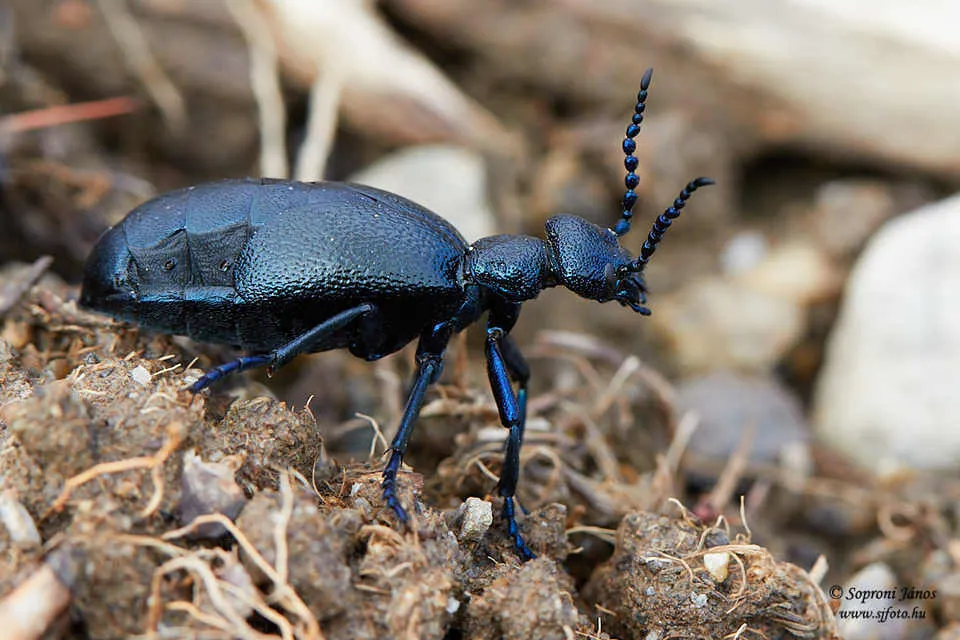
 Jak je rozpoznać
Siła trucizny
Jego skóra jest trująca. Niebezpiecznie jest jej dotykać, lizać ją albo ją jeść.
Jak bardzo jest niebezpieczne dla ludzi?
Zagrożenie dla ludzi: BolesneMoże naprawdę boleć, ale prawie nigdy nie jest groźne. Jeśli ktoś je dotknął lub zjadł
- Jeśli ktoś je zjadł albo ma objawy po zjedzeniu: od razu zadzwoń na numer alarmowy albo do ośrodka toksykologicznego.
Zawsze najpierw dzwoń na numer alarmowy (112, 000, 911). To ogólne wskazówki pierwszej pomocy, a nie porada medyczna. Podstawy pierwszej pomocy
 Uważaj na siebie
- Nigdy nie dotykaj, nie łap ani nie drażnij dzikiego zwierzęcia, nawet małego, i nawet jeśli wygląda, jakby spało albo było martwe.
- Zostaw mu miejsce. Jeśli je spotkasz, zachowaj spokój, powoli się wycofaj i pozwól mu odejść.
- Po dotknięciu lub zjedzeniu: nie trzyj oczu ani ust, umyj ręce i szukaj pomocy medycznej.
Nie poluje na ciebie. Jego trucizna jest tylko po to, żeby nikt go nie zjadł. Więcej o bezpieczeństwie
Jakie jest duże?
Jakie jest długie?
 mniej więcej długości spinacza
Black oil beetle: jak duże jest w porównaniu z TOBĄ?
Zwykła matematyka w twojej przeglądarce. Nic nie jest zapisywane ani nigdzie wysyłane.
Jak szybkie jest?


Fakty
The larvae can attract bees without a flower by producing a flowery scent, even when they are outside a flower.1
The larvae use well-developed claws to attach themselves to a visiting bee and travel back to its nest.1
Inside the bee's nest, the larva eats the bee's eggs and the pollen and nectar the bee has stored.1
The author Gerald Durrell describes this beetle's life cycle in detail in his autobiographical book My Family and Other Animals.1
After it leaves the bee's nest as an adult, it seeks a mate straight away.1
Dla znawców jadu
- Nazwa naukowa
- Meloe proscarabaeus
- Grupa
- Inne trujące zwierzęta
- Rodzina
- Meloidae2
- Kolejność
- Coleoptera
- Kontynenty
- Europa, Azja
- Młode
- Females lay eggs in the soil. The larvae hatch and climb into a flower to wait for solitary bees. After feeding in the bee's nest, the larva pupates there and leaves to seek a mate.1
- Zagrożenie dla ludzi
- 2 / 5: Bolesne3
Skąd pochodzą fakty
- Meloe proscarabaeus (Wikipedia (CC BY-SA 4.0))
- Meloe proscarabaeus (iNaturalist): nazwy i klasyfikacja.
- Venom Wiki: poziom zagrożenia, typowy rozmiar i szacowana prędkość to nasze własne oceny. Zobacz, jak je ustalamy: Jak oceniamy zagrożenie.
Każdy fakt na tej stronie ma numer, który wskazuje jego źródło. Jeśli coś pomyliliśmy, przepraszamy, jesteśmy fanami zwierząt, a nie czasopismem naukowym. Napisz do nas na [email protected], a poprawimy to.
 Skorpion jest głodny! Venom Wiki to projekt jednej osoby: darmowy, bez reklam i bez śledzenia. Mały napiwek pomaga utrzymać go w sieci.Nakarm skorpiona
Więcej z tej samej grupy: Inne trujące zwierzęta
 Spanish flyInne trujące zwierzętaWymaga lekarzaNie dotykaj
 Green spotted pufferInne trujące zwierzętaWymaga lekarza
 Common quailInne trujące zwierzętaTylko boli
 Cinnabar mothInne trujące zwierzętaNieszkodliwe
 Red-striped oil beetleInne trujące zwierzętaTylko boliNie dotykaj
 Six-spot burnetInne trujące zwierzętaNieszkodliwe
 Common European adder
 Common wasp
 European hornet
 Fire salamander
 Western honey bee
 Blunt-nosed viper