
 Afryka
 Azja
Azja Europa
 Ameryka Południowa
 Australia i Oceania
 Antarktyda
 Ocean Spokojny
 Ocean Atlantycki
 Ocean Indyjski
 Ocean Arktyczny
 Morze Śródziemne
 Morze Czerwone
 Morze Karaibskie
 Morze Koralowe
 Morze Południowochińskie
 Morze Filipińskie
 Morze Andamańskie
 Morze Północne
 Morze Timor i Morze Arafura
 Zatoka Bengalska
 Zatoka Kalifornijska
Hobo spider
 Ugryzienia
The hobo spider is a brown spider that lives in fields, woods and under rocks in Europe, Central Asia and western North America. It builds a funnel-shaped sheet of silk and waits at the narrow end for insects to crawl on. It sometimes builds webs in or around homes, so people often worry about its bite.1

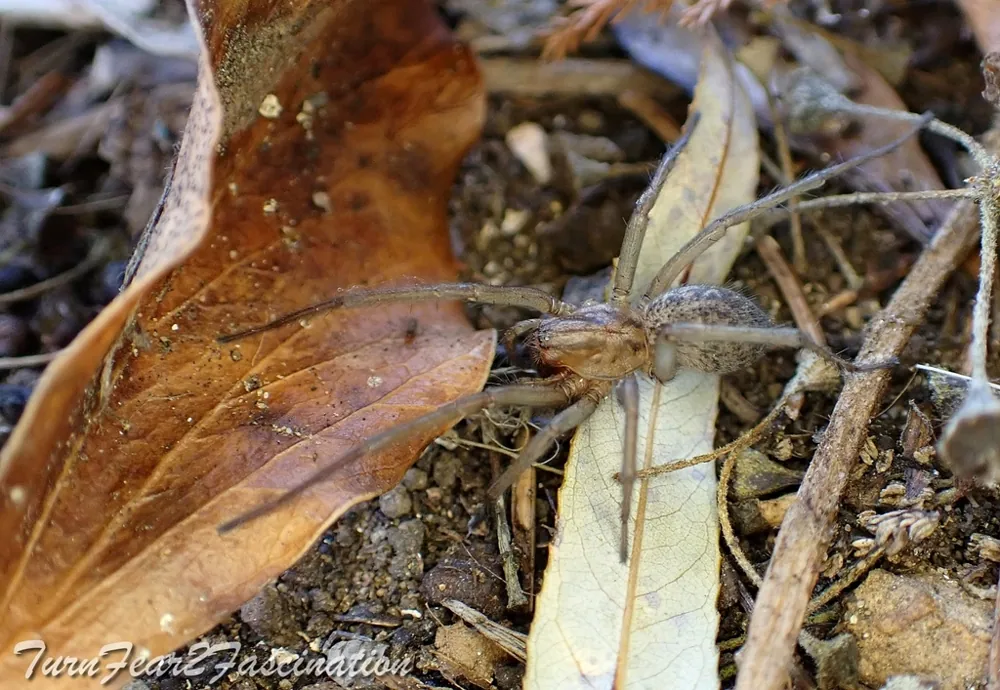
 Jak je rozpoznać
- Body length is 7 to 14 mm, and the spider is brownish in colour.1
- The abdomen has V-shaped chevron patterns down the middle, pointing towards the head.1
- There is a light stripe running down the middle of the underside (sternum).1
- There are no coloured bands where the leg joints meet.1
- The top of the front body section (cephalothorax) has indistinct or diffused patterns, not two distinct dark stripes.1
Często mylone z: Other Eratigena species have three or four pairs of light spots on the sides of the sternum rather than a central stripe, though these spots can be very faint. Spiders in the genera Agelenopsis and Hololena, and possibly some wolf spiders, have two distinct dark stripes on the top of the front body section. Positive identification of hobo spiders usually requires microscopic examination of their sex organs by an expert.1
Siła jadu
Jad wydostaje się przez kły lub zęby, gdy zwierzę gryzie.
Jak działa jego jad?
There is no clear evidence that the hobo spider has venom that is dangerous to humans. Earlier case reports linked its bites to isolated cases of necrosis, which is the death of skin tissue, but this is no longer supported.1
Jak bardzo jest niebezpieczne dla ludzi?
Zagrożenie dla ludzi: ŁagodneJak użądlenie pszczoły albo słabiej. W zasadzie nieszkodliwe dla ludzi.There is little evidence that the hobo spider is dangerously venomous. The US CDC no longer lists it among venomous species, as of 2017. In Canada there is no evidence that its bites cause skin necrosis.1
 Jeśli ugryzie
- Umyj miejsce ugryzienia i przyłóż okład z lodu na ból. Szukaj pomocy medycznej, jeśli ból jest silny, rozszerza się albo poszkodowany źle się czuje.
Zawsze najpierw dzwoń na numer alarmowy (112, 000, 911). To ogólne wskazówki pierwszej pomocy, a nie porada medyczna. Podstawy pierwszej pomocy
 Uważaj na siebie
- Nigdy nie dotykaj, nie łap ani nie drażnij dzikiego zwierzęcia, nawet małego, i nawet jeśli wygląda, jakby spało albo było martwe.
- Zostaw mu miejsce. Jeśli je spotkasz, zachowaj spokój, powoli się wycofaj i pozwól mu odejść.
- Jeśli cię ugryzie: zachowaj spokój, nie ruszaj się, zadzwoń na numer alarmowy (112, 000, 911) albo jak najszybciej dotrzyj do szpitala. Zapamiętaj, jak wyglądało, zdjęcie pomaga.
Nie poluje na ciebie. Używa jadu, żeby złapać jedzenie albo się bronić, i dużo bardziej woli się schować. Więcej o bezpieczeństwie
Jakie jest duże?
Jakie jest długie?
 tak małe, że zmieści się na twoim paznokciu
 100 metrów w 360 s (najszybszy człowiek potrzebuje 9,6)
Hobo spider: jak duże jest w porównaniu z TOBĄ?
Zwykła matematyka w twojej przeglądarce. Nic nie jest zapisywane ani nigdzie wysyłane.
Jak szybkie jest?


Fakty
Pogromca mitów
Mit: Hobo spiders have dangerous venom that causes skin necrosis.
Prawda: There is little clear evidence that the hobo spider's venom is dangerous to humans. Some bites reported as hobo spider bites may have been from the desert grass spider.1
Skąd pochodzą fakty
- Hobo spider (Wikipedia (CC BY-SA 4.0))
- Eratigena agrestis (iNaturalist): nazwy i klasyfikacja.
- Venom Wiki: poziom zagrożenia, typowy rozmiar i szacowana prędkość to nasze własne oceny. Zobacz, jak je ustalamy: Jak oceniamy zagrożenie.
Każdy fakt na tej stronie ma numer, który wskazuje jego źródło. Jeśli coś pomyliliśmy, przepraszamy, jesteśmy fanami zwierząt, a nie czasopismem naukowym. Napisz do nas na [email protected], a poprawimy to.
 Skorpion jest głodny! Venom Wiki to projekt jednej osoby: darmowy, bez reklam i bez śledzenia. Mały napiwek pomaga utrzymać go w sieci.Nakarm skorpiona
Więcej z tej samej grupy: Pająki
 Mediterranean black widow
 Diving bell spider
 European yellow sac spider
 Noble false widow
 Tarantula wolf spider
 Daddy long-legs spider
Żyje też w: Europa
 Common European adderŻmijeWymaga lekarza
 Spanish flyInne trujące zwierzętaWymaga lekarzaNie dotykaj
 Common waspPszczoły, osy i szerszenieTylko boli
 European hornetPszczoły, osy i szerszenieTylko boli
 Fire salamanderDrzewołazy, ropuchy i traszkiTylko boliNie dotykaj
 Western honey beePszczoły, osy i szerszenieTylko boli