
 Afryka
 Azja
Azja Europa
 Ameryka Południowa
 Australia i Oceania
 Antarktyda
 Ocean Spokojny
 Ocean Atlantycki
 Ocean Indyjski
 Ocean Arktyczny
 Morze Śródziemne
 Morze Czerwone
 Morze Karaibskie
 Morze Koralowe
 Morze Południowochińskie
 Morze Filipińskie
 Morze Andamańskie
 Morze Północne
 Morze Timor i Morze Arafura
 Zatoka Bengalska
 Zatoka Kalifornijska
Pine-tree lappet
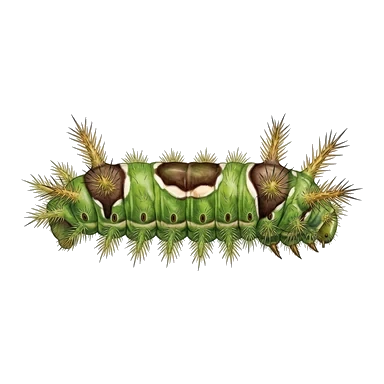 Parzące włoski
The pine-tree lappet is a moth whose caterpillars eat the needles and bark of pine and spruce trees. It is found across Europe, Asia and North Africa. Its caterpillars are covered in fine, sharp hairs that can irritate the skin and cause a serious illness, so it is important to recognise them and avoid touching them.1
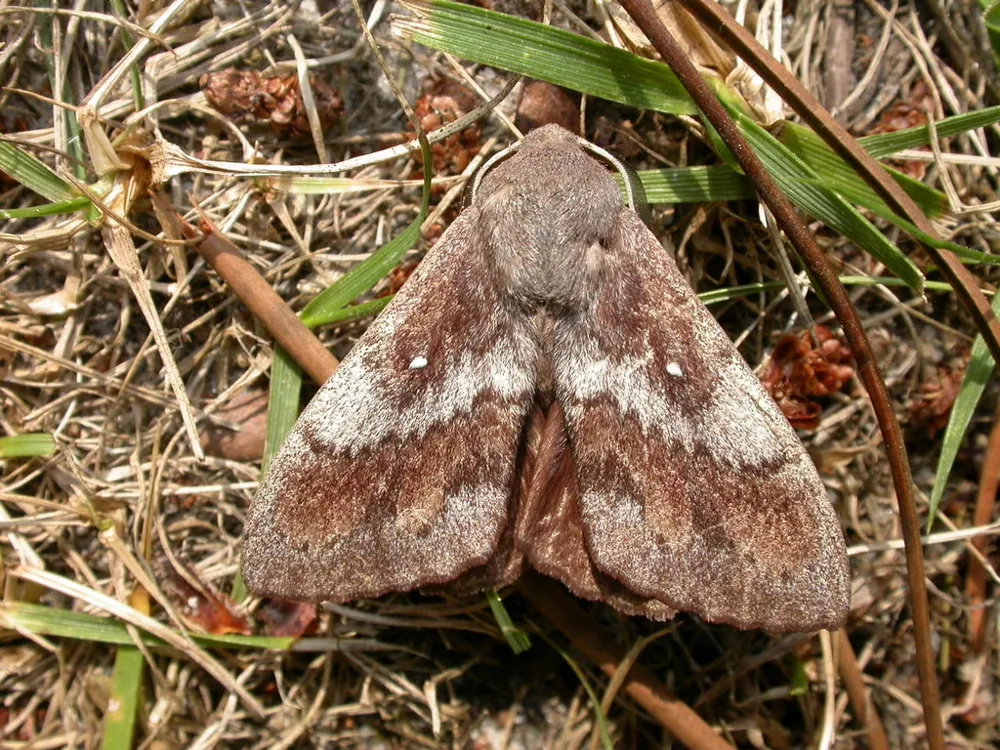
 Jak je rozpoznać
- Caterpillars are fuzzy, covered in long, slender hairs with sharp tips, and have black hairs on the thorax.1
- Caterpillar thorax has thick, alternating steel-blue bands, and the abdomen has a black mark bordered by irregular white lines.1
- Cocoons are loose and partly see-through, ranging from yellow-brown to deep black, and are often marked with steel-blue hairs.1
- Adult forewings are grey-brown to brown with a reddish-brown band and a dark brown to black stripe along the edges.1
- Females are larger than males, with a wingspan of 70 to 90 mm, while males have a wingspan of 50 to 70 mm and are usually darker.1
Siła jadu
Malutkie włoski lub szczecinki odłamują się w skórze i parzą.
Jak działa jego jad?
This animal is not venomous. When the sharp hairs of the caterpillar or cocoon break the skin, they release a toxin. This can cause skin rash, inflammation of the joints and cartilage, and chronic osteoarthritis.1
Jak bardzo jest niebezpieczne dla ludzi?
Zagrożenie dla ludzi: BolesneMoże naprawdę boleć, ale prawie nigdy nie jest groźne.Contact with the hairs of living or dead caterpillars, or with their cocoons, can cause an illness called dendrolimiasis.1
Co robi, gdy się boi?
Caterpillars defend themselves with their sharp, irritating hairs, while adults lose these hairs and rely on camouflage.1
 Jeśli dotkniesz jego włosków
- Przy parzących włoskach gąsienic: zdejmij je taśmą klejącą, a potem umyj skórę. Nie pocieraj.
- Przy ugryzieniach: umyj i schłodź. Szukaj pomocy medycznej, jeśli poszkodowany źle się czuje albo łatwo krwawi.
Zawsze najpierw dzwoń na numer alarmowy (112, 000, 911). To ogólne wskazówki pierwszej pomocy, a nie porada medyczna. Podstawy pierwszej pomocy
 Uważaj na siebie
- Nigdy nie dotykaj, nie łap ani nie drażnij dzikiego zwierzęcia, nawet małego, i nawet jeśli wygląda, jakby spało albo było martwe.
- Zostaw mu miejsce. Jeśli je spotkasz, zachowaj spokój, powoli się wycofaj i pozwól mu odejść.
- Jeśli dotkniesz jego włosków: zachowaj spokój, nie ruszaj się, zadzwoń na numer alarmowy (112, 000, 911) albo jak najszybciej dotrzyj do szpitala. Zapamiętaj, jak wyglądało, zdjęcie pomaga.
Nie poluje na ciebie. Używa jadu, żeby złapać jedzenie albo się bronić, i dużo bardziej woli się schować. Więcej o bezpieczeństwie
Jakie jest duże?
Jakie jest długie?
 długie jak 3 klocków ułożonych w rzędzie
 wolniejsze niż ślimak winniczek
Pine-tree lappet: jak duże jest w porównaniu z TOBĄ?
Zwykła matematyka w twojej przeglądarce. Nic nie jest zapisywane ani nigdzie wysyłane.
Jak szybkie jest?

Fakty
Mass feeding by caterpillars can strip whole forests of their needles, which harms the forestry industry.1
Caterpillars can survive for a month without food, which helps them spread when people accidentally transport them.1
Adult moths do not feed and live for only about 9 to 10 days.1
Caterpillars eat the first skins of their eggs as their first meal after hatching.1
Scientists found that the cast skins of the caterpillar contain a substance that may help protect them from fungal infections.1
A single generation takes one year in warmer climates, but about two years in cooler regions.1
Skąd pochodzą fakty
- Dendrolimus pini (Wikipedia (CC BY-SA 4.0))
- Dendrolimus pini (iNaturalist): nazwy i klasyfikacja.
- Venom Wiki: poziom zagrożenia, typowy rozmiar i szacowana prędkość to nasze własne oceny. Zobacz, jak je ustalamy: Jak oceniamy zagrożenie.
Każdy fakt na tej stronie ma numer, który wskazuje jego źródło. Jeśli coś pomyliliśmy, przepraszamy, jesteśmy fanami zwierząt, a nie czasopismem naukowym. Napisz do nas na [email protected], a poprawimy to.
 Skorpion jest głodny! Venom Wiki to projekt jednej osoby: darmowy, bez reklam i bez śledzenia. Mały napiwek pomaga utrzymać go w sieci.Nakarm skorpiona
Więcej z tej samej grupy: Gąsienice i owady
 Oak processionaryGąsienice i owadyTylko boliNie dotykaj
 Pine processionaryGąsienice i owadyTylko boliNie dotykaj
 Common bombardier beetleGąsienice i owadyNieszkodliwe
 Asian giant water bugGąsienice i owadyTylko boli
 Blue-striped nettle grubGąsienice i owadyTylko boliNie dotykaj
 Brown-tail mothGąsienice i owadyTylko boliNie dotykaj
Żyje też w: Europa
 Common European adderŻmijeWymaga lekarza
 Spanish flyInne trujące zwierzętaWymaga lekarzaNie dotykaj
 Common waspPszczoły, osy i szerszenieTylko boli
 European hornetPszczoły, osy i szerszenieTylko boli
 Fire salamanderDrzewołazy, ropuchy i traszkiTylko boliNie dotykaj
 Western honey beePszczoły, osy i szerszenieTylko boli