
 Afryka
 Azja
Azja Europa
 Ameryka Południowa
 Australia i Oceania
 Antarktyda
 Ocean Spokojny
 Ocean Atlantycki
 Ocean Indyjski
 Ocean Arktyczny
 Morze Śródziemne
 Morze Czerwone
 Morze Karaibskie
 Morze Koralowe
 Morze Południowochińskie
 Morze Filipińskie
 Morze Andamańskie
 Morze Północne
 Morze Timor i Morze Arafura
 Zatoka Bengalska
 Zatoka Kalifornijska
Western harvester ant
 Użądlenia
The western harvester ant is a species of ant that lives in the dry deserts and grasslands of the American West and Canada. It gets its name from collecting seeds to eat. It has a painful, venomous sting, and large colonies can damage grazing land.1



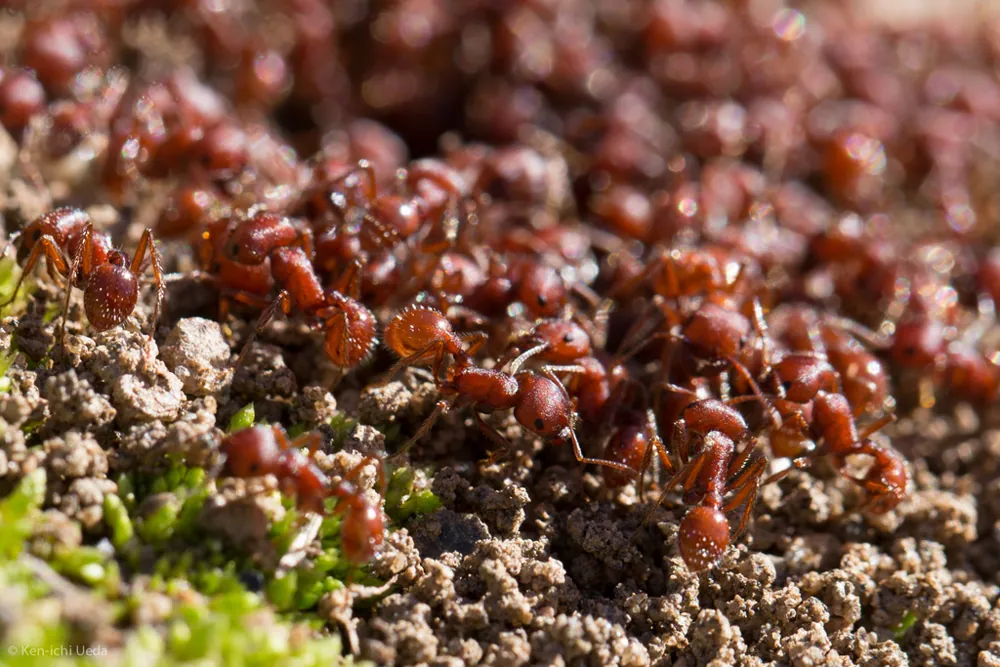
 Jak je rozpoznać
Siła jadu
Jad wydostaje się przez żądło.
Jak działa jego jad?
The sting is venomous and painful.1
Jak bardzo jest niebezpieczne dla ludzi?
Zagrożenie dla ludzi: BolesneMoże naprawdę boleć, ale prawie nigdy nie jest groźne.Its sting is painful. Where there are many colonies, they can cause such loss of grazing plants and seeds that they are a severe ecological and economic burden.1
 Jeśli użądli
- Umyj i schłódź miejsca użądleń.
- Jeśli poszkodowany ma trudności z oddychaniem, obrzęk twarzy lub gardła albo czuje, że mdleje, to nagły przypadek alergiczny: zadzwoń na numer alarmowy.
Zawsze najpierw dzwoń na numer alarmowy (112, 000, 911). To ogólne wskazówki pierwszej pomocy, a nie porada medyczna. Podstawy pierwszej pomocy
 Uważaj na siebie
- Nigdy nie dotykaj, nie łap ani nie drażnij dzikiego zwierzęcia, nawet małego, i nawet jeśli wygląda, jakby spało albo było martwe.
- Zostaw mu miejsce. Jeśli je spotkasz, zachowaj spokój, powoli się wycofaj i pozwól mu odejść.
- Jeśli cię użądli: zachowaj spokój, nie ruszaj się, zadzwoń na numer alarmowy (112, 000, 911) albo jak najszybciej dotrzyj do szpitala. Zapamiętaj, jak wyglądało, zdjęcie pomaga.
Nie poluje na ciebie. Używa jadu, żeby złapać jedzenie albo się bronić, i dużo bardziej woli się schować. Więcej o bezpieczeństwie
Jakie jest duże?
Jakie jest długie?
 tak małe, że zmieści się na twoim paznokciu
Western harvester ant: jak duże jest w porównaniu z TOBĄ?
Zwykła matematyka w twojej przeglądarce. Nic nie jest zapisywane ani nigdzie wysyłane.
Jak szybkie jest?


Fakty
Mounds are surrounded by bare ground, so they do not burn during fires.1
A mature colony can have up to 20,000 workers and one queen, and its nest can reach 5 metres (16 ft) deep.1
Honey ants (Myrmecocystus mexicanus) often nest close to western harvester ant colonies and feed on dead or dying workers.1
A queen mates with 2 to 11 different males, with an average of 6.3.1
Workers usually change their jobs as they age, and they forage towards the ends of their lives. A worker lives for an average of six months.1
In cooler months, workers forage throughout the day. In summer they forage only from 5–11 am and 3–9 pm.1
Dla znawców jadu
- Nazwa naukowa
- Pogonomyrmex occidentalis
- Grupa
- Mrówki
- Rodzina
- Formicidae2
- Kolejność
- Hymenoptera
- Kontynenty
- Ameryka Północna
- Młode
- The queen lays eggs, and many of the eggs in the first batch die. The first workers, called nanitics, are stunted and measure about 2 mm long.1
- Długość życia
- około 30 lat1
- Zagrożenie dla ludzi
- 2 / 5: Bolesne3
Skąd pochodzą fakty
- Pogonomyrmex occidentalis (Wikipedia (CC BY-SA 4.0))
- Pogonomyrmex occidentalis (iNaturalist): nazwy i klasyfikacja.
- Venom Wiki: poziom zagrożenia, typowy rozmiar i szacowana prędkość to nasze własne oceny. Zobacz, jak je ustalamy: Jak oceniamy zagrożenie.
Każdy fakt na tej stronie ma numer, który wskazuje jego źródło. Jeśli coś pomyliliśmy, przepraszamy, jesteśmy fanami zwierząt, a nie czasopismem naukowym. Napisz do nas na [email protected], a poprawimy to.
 Skorpion jest głodny! Venom Wiki to projekt jednej osoby: darmowy, bez reklam i bez śledzenia. Mały napiwek pomaga utrzymać go w sieci.Nakarm skorpiona
 Bullet ant
 Army ant
 Maricopa harvester ant
 Trap-jaw ant
 Acacia ant
 California harvester ant
 Żararaka szorstka
 Eastern coral snake
 Eastern diamondback rattlesnake
 Eyelash viper
 Timber rattlesnake
 Western diamondback rattlesnake