
 افریقا
 اسیا
اسیا اروپا
اروپا سویلي امریکا
 استرالیا او اوقیانوسیه
 انټارکټیکا
 ارام سمندر
 اطلس سمندر
 هند سمندر
 شمالي منجمد سمندر
 مدیترانه بحیره
 سره بحیره
 د کارائیب بحیره
 مرجاني بحیره
 د سویلي چین بحیره
 د فیلیپین بحیره
 د اندامان بحیره
 شمالي بحیره
 د تیمور او ارافورا بحیره
 د بنګال خلیج
 د کالیفورنیا خلیج
Brown-tail moth
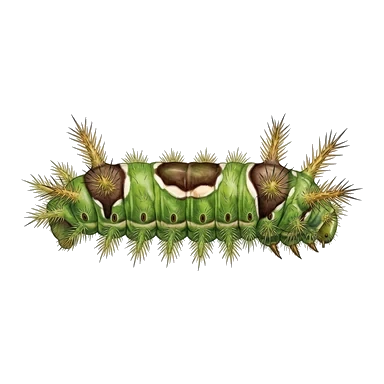 نیش وهونکي وېښتان
The brown-tail moth is a moth whose caterpillars are covered in tiny irritating hairs. It is native to Europe, neighbouring parts of Asia and the north coast of Africa. Its hairs can cause a very itchy rash, so it matters to anyone who works or plays near trees it feeds on.1
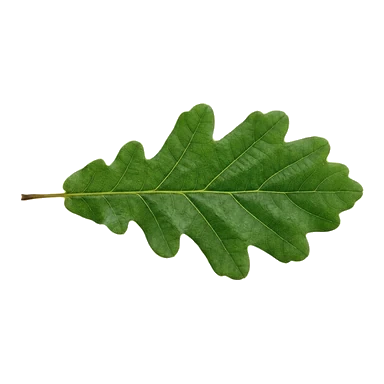
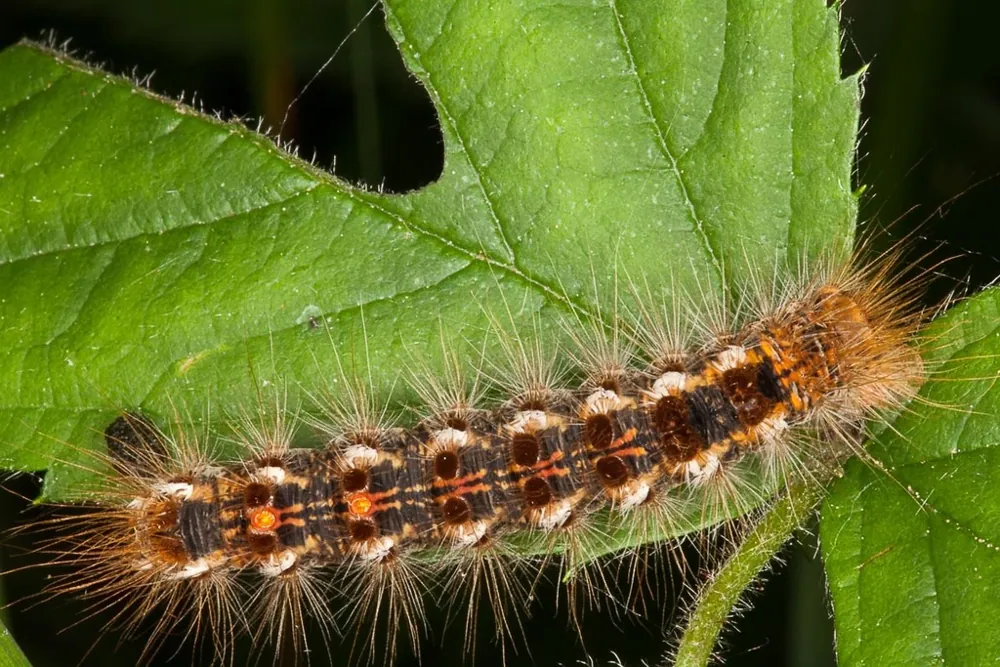
 څنګه یې وپېژنې
- Adults have pure white upper wings and a hairy white body with a tuft of brown hair at the tip of the tail end.1
- Adults have a wingspan of 36 to 42 millimetres.1
- Caterpillars are very hairy, brown with white markings, and have two prominent red spots toward the tail end.1
- In late autumn and winter, silken tents hang on branch tips, which are a sign that the caterpillars are present.1
ډېر ځله ورسره ګډوډ کېږي: Euproctis similis, also native to Europe, is similar as an adult but the female has a yellow tail tuft. Hyphantria cunea, native to North America, is similar too, but it lacks the coloured tail tuft.1
د زهرو ځواک
کوچني وېښتان یا ږیرې په پوستکي کې ماتېږي او نیش وهي.
زهر یې (چیچل یا نیش) څه کوي؟
The hairs are not venom injected by a bite or sting. They are toxic and irritating to skin. Barbed hairs lodge in the skin and cause physical irritation, and chemicals in the hairs also irritate it. If inhaled, the hairs can cause breathing difficulties similar to asthma. The toxins stay active for up to three years after the hairs are shed.1
انسانانو ته څومره خطرناک دی؟
انسانانو ته خطر: دردناکډېر درد کولای شي، خو تقریباً هېڅکله جدي نه وي.Contact with the hairs causes a very itchy rash that can last for weeks. Doctors reported rashes worse than poison ivy rash in the early 1900s. Breathing difficulties can occur if the hairs are inhaled.1
کله چې ډار شي څه کوي؟
Its hairs protect the caterpillars from predators, and the caterpillars use some hairs in their cocoons.1
 که دې یې وېښتان لمس کړي
- د نیش وهونکو چینجیو د وېښتو لپاره: هغه په چسپناکه ټیپ پورته کړه، بیا پوستکی ومینځه. مه یې موږه.
- د چیچلو لپاره: ځای ومینځه او سوړ یې کړه. که کس ځان ناروغه احساسوي یا یې په اسانۍ وینه بهېږي، طبي مرسته ترلاسه کړه.
تل لومړی خپلې بیړنۍ شمېرې ته زنګ ووهه (112، 000، 911). دا د لومړنۍ مرستې عمومي لارښوونه ده، طبي مشوره نه ده. د لومړنۍ مرستې بنسټونه
 خوندي اوسه
- هېڅکله ځنګلی ژوی مه لمسوه، مه یې نیسه او مه یې ځوروه، حتی که کوچنی وي، او حتی که ویده یا مړ ښکاري.
- ورته ځای ورکړه. که له یوه سره مخ شوې، ارام اوسه، ورو ورو شاته شه او پرېږده چې خپله لار ولاړ شي.
- که دې یې وېښتان لمس کړي: ارام اوسه، بېحرکته پاتې شه، خپلې بیړنۍ شمېرې ته زنګ ووهه (112، 000، 911) یا ژر روغتون ته ورسېږه. په یاد ولره چې څه ډول ښکارېده، عکس مرسته کوي.
دا ستا پسې نه ګرځي. خپل زهر د خوراک نیولو یا د ځان ساتلو لپاره کاروي، او ډېر غوره ګڼي چې پټ شي. د خوندي پاتې کېدو په اړه نور
په نړۍ کې چېرته؟
څومره لوی دی؟
څومره اوږد دی؟
 ستا له کوچنۍ ګوتې لنډ
 د باغ له حلزون څخه ورو
Brown-tail moth ستا په پرتله څومره لوی دی؟
یوازې ستا په براوزر کې حساب کتاب. هېڅ شی نه خوندي کېږي او نه چېرته لېږل کېږي.
څومره چټک دی؟

حقیقتونه
The hairs of the caterpillars can cause a rash even when no one touches a caterpillar, because shed hairs can blow in the wind.1
Brown-tail moths were described in outbreaks in Paris, London and Berlin as far back as the 1500s, when they stripped trees of leaves.1
The species spends about nine months of its year as caterpillars, which is unusually long for a moth.1
Caterpillars spend the winter together in silken tents built at branch tips, rather than spreading out.1
A parasitic fly introduced to North America in 1906 to control spongy moths also strongly affected brown-tail moths.1
د افسانو ماتوونکی
افسانه: You can only get the rash by touching the caterpillars.
حقیقت: Hairs are shed and can become windblown, and they can be carried indoors on clothing and shoes, so a rash can occur without direct contact with the caterpillars.1
حقیقتونه له کومه راځي
- Brown-tail moth (Wikipedia (CC BY-SA 4.0))
- Euproctis chrysorrhoea (iNaturalist): نومونه او ډلبندي.
- Venom Wiki: د خطر کچه، عادي اندازه او د سرعت اټکل زموږ خپل دي. وګوره چې څنګه یې محاسبه کوو: موږ خطر څنګه اندازه کوو.
په دې پاڼه کې هر حقیقت یوه شمېره لري چې خپلې سرچینې ته اشاره کوي. که موږ څه غلط کړي وي، بښنه غواړو، موږ د ژویو مینهوال یو، نه علمي مجله. په [email protected] کې راته ووایه او موږ به یې سم کړو.
 لړم وږی دی! Venom Wiki د یو کس پروژه ده: وړیا، پرته له اعلانونو او تعقیبوونکو. یوه کوچنۍ ډالۍ یې په انټرنېټ کې ساتلو کې مرسته کوي.لړم ته خواړه ورکړه
له همدې ډلې نور: چینجي او حشرې
 Oak processionaryچینجي او حشرېیوازې درد کويمه یې لمسوه
 Pine processionaryچینجي او حشرېیوازې درد کويمه یې لمسوه
 Common bombardier beetleچینجي او حشرېبېضرره
 Asian giant water bugچینجي او حشرېیوازې درد کوي
 Blue-striped nettle grubچینجي او حشرېیوازې درد کويمه یې لمسوه
 Masked hunterچینجي او حشرېیوازې درد کوي
دلته هم اوسېږي: اروپا
 Common European adderافعي ګانېډاکټر ته اړتیا لري
 Spanish flyنور زهري ژويډاکټر ته اړتیا لريمه یې لمسوه
 Common waspمچۍ، غومبسې او لویې غومبسېیوازې درد کوي
 European hornetمچۍ، غومبسې او لویې غومبسېیوازې درد کوي
 Fire salamanderزهري چونګښې، ګوګړې چونګښې او نیوټونهیوازې درد کويمه یې لمسوه
 Western honey beeمچۍ، غومبسې او لویې غومبسېیوازې درد کوي