
 افریقا
 اسیا
اسیا اروپا
اروپا سویلي امریکا
 استرالیا او اوقیانوسیه
 انټارکټیکا
 ارام سمندر
 اطلس سمندر
 هند سمندر
 شمالي منجمد سمندر
 مدیترانه بحیره
 سره بحیره
 د کارائیب بحیره
 مرجاني بحیره
 د سویلي چین بحیره
 د فیلیپین بحیره
 د اندامان بحیره
 شمالي بحیره
 د تیمور او ارافورا بحیره
 د بنګال خلیج
 د کالیفورنیا خلیج
Pine processionary
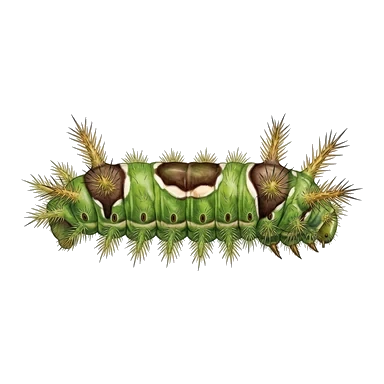 نیش وهونکي وېښتان
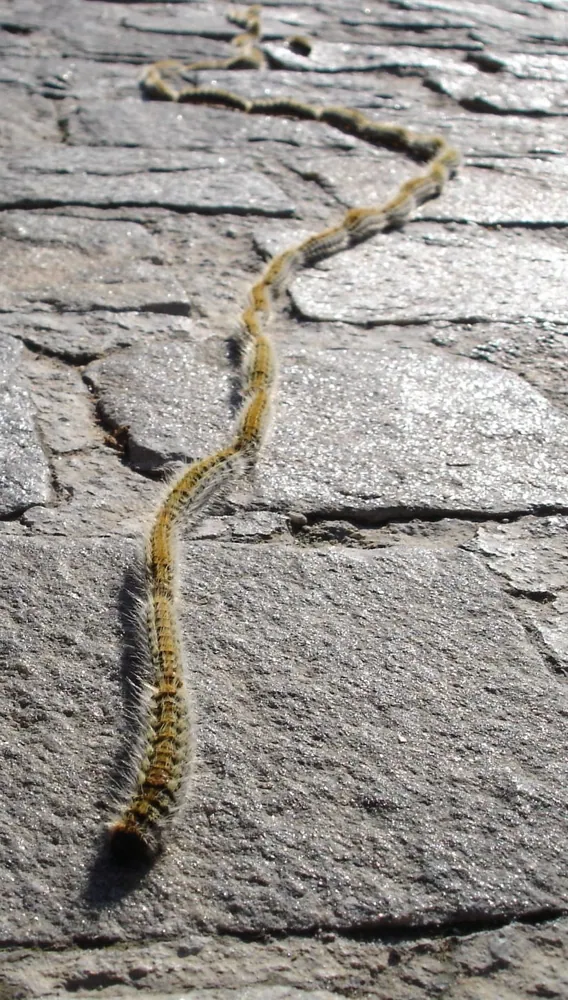
The pine processionary is a moth whose caterpillars are famous for marching in long, nose-to-tail lines through pine woods. Their hairs cause painful rashes and eye irritation, and they can strip the needles from whole trees. It lives around the Mediterranean and is spreading north.1
 څنګه یې وپېژنې
- Caterpillars are orange-brown and hairy, with blue bands.1
- Large silken nests in pine trees, often with several in one tree and signs of stripped needles.1
- Caterpillars move in single-file processions, usually at night and when leaving the tree to pupate.1
- Adults have predominantly light brown forewings with brown markings and white hindwings.1
- Adult males have a crescent marking on the wings and are larger than the oak processionary.1
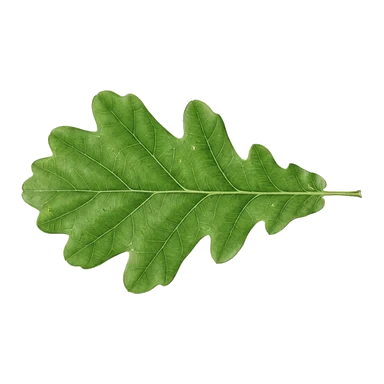
ډېر ځله ورسره ګډوډ کېږي: The oak processionary (Thaumetopoea processionea) is smaller as an adult, has an indistinct wing marking rather than a crescent, and lives in broad-leaved rather than coniferous forests. The pale eggar moth has no crescent marking on its wings.1
د زهرو ځواک
کوچني وېښتان یا ږیرې په پوستکي کې ماتېږي او نیش وهي.
زهر یې (چیچل یا نیش) څه کوي؟
The species is not venomous. Its caterpillars have hairs containing an irritant chemical called thaumetopoein, which causes skin rashes (urticaria) and eye irritation on contact. Some people may have an allergic reaction. The hairs of fifth-stage larvae can also break off and spread across nearby exposed skin.1
انسانانو ته څومره خطرناک دی؟
انسانانو ته خطر: دردناکډېر درد کولای شي، خو تقریباً هېڅکله جدي نه وي.Simple contact with the caterpillar hairs can cause severe rashes and eye irritation in humans and other mammals. Some individuals may have an allergic reaction.1
کله چې ډار شي څه کوي؟
When stressed or threatened, fifth-stage caterpillars eject harpoon-shaped hairs that irritate any exposed skin nearby.1
 که دې یې وېښتان لمس کړي
- د نیش وهونکو چینجیو د وېښتو لپاره: هغه په چسپناکه ټیپ پورته کړه، بیا پوستکی ومینځه. مه یې موږه.
- د چیچلو لپاره: ځای ومینځه او سوړ یې کړه. که کس ځان ناروغه احساسوي یا یې په اسانۍ وینه بهېږي، طبي مرسته ترلاسه کړه.
تل لومړی خپلې بیړنۍ شمېرې ته زنګ ووهه (112، 000، 911). دا د لومړنۍ مرستې عمومي لارښوونه ده، طبي مشوره نه ده. د لومړنۍ مرستې بنسټونه
 خوندي اوسه
- هېڅکله ځنګلی ژوی مه لمسوه، مه یې نیسه او مه یې ځوروه، حتی که کوچنی وي، او حتی که ویده یا مړ ښکاري.
- ورته ځای ورکړه. که له یوه سره مخ شوې، ارام اوسه، ورو ورو شاته شه او پرېږده چې خپله لار ولاړ شي.
- که دې یې وېښتان لمس کړي: ارام اوسه، بېحرکته پاتې شه، خپلې بیړنۍ شمېرې ته زنګ ووهه (112، 000، 911) یا ژر روغتون ته ورسېږه. په یاد ولره چې څه ډول ښکارېده، عکس مرسته کوي.
دا ستا پسې نه ګرځي. خپل زهر د خوراک نیولو یا د ځان ساتلو لپاره کاروي، او ډېر غوره ګڼي چې پټ شي. د خوندي پاتې کېدو په اړه نور
په نړۍ کې چېرته؟
څومره لوی دی؟
څومره اوږد دی؟
 شاوخوا د کاغذ کلیپ هومره اوږد
 د باغ له حلزون څخه ورو
Pine processionary ستا په پرتله څومره لوی دی؟
یوازې ستا په براوزر کې حساب کتاب. هېڅ شی نه خوندي کېږي او نه چېرته لېږل کېږي.
څومره چټک دی؟


حقیقتونه
Caterpillars in a procession hold together through touch from the caterpillar in front, which takes priority over the trail pheromone or silk.1
The caterpillars are one of the few temperate-zone insects whose larvae develop through the winter, living in silk nests high in pine trees.1
Adults live for only a single day, during which they mate and lay eggs.1
The Greek physician Dioscorides described the itching caused by this caterpillar in the 1st century AD, and Pliny the Elder recorded a treatment for it.1
Outbreaks are somewhat cyclical, with a period of 7 to 9 years.1
د افسانو ماتوونکی
افسانه: Fabre's caterpillars marched in a circle around a flower pot only because they were trapped on its rim.
حقیقت: Young caterpillars' circular trails continue for as long as 12 hours even when they are free on a flat surface.1
د زهرو د کارپوهانو لپاره
- علمي نوم
- Thaumetopoea pityocampa
- ډله
- چینجي او حشرې
- کورنۍ
- Notodontidae2
- ترتیب
- Lepidoptera
- وچې
- اروپا, افریقا, اسیا
- کوچني ماشومان
- Each female lays an enormous number of eggs near the tops of pine trees, in cylindrical egg masses 4 to 5 cm long covered with scales that mimic pine shoots.1
- انسانانو ته خطر
- 2 / 5: دردناک3
حقیقتونه له کومه راځي
- Pine processionary (Wikipedia (CC BY-SA 4.0))
- Thaumetopoea pityocampa (iNaturalist): نومونه او ډلبندي.
- Venom Wiki: د خطر کچه، عادي اندازه او د سرعت اټکل زموږ خپل دي. وګوره چې څنګه یې محاسبه کوو: موږ خطر څنګه اندازه کوو.
په دې پاڼه کې هر حقیقت یوه شمېره لري چې خپلې سرچینې ته اشاره کوي. که موږ څه غلط کړي وي، بښنه غواړو، موږ د ژویو مینهوال یو، نه علمي مجله. په [email protected] کې راته ووایه او موږ به یې سم کړو.
 لړم وږی دی! Venom Wiki د یو کس پروژه ده: وړیا، پرته له اعلانونو او تعقیبوونکو. یوه کوچنۍ ډالۍ یې په انټرنېټ کې ساتلو کې مرسته کوي.لړم ته خواړه ورکړه
له همدې ډلې نور: چینجي او حشرې
 Oak processionaryچینجي او حشرېیوازې درد کويمه یې لمسوه
 White-spotted assassin bugچینجي او حشرېیوازې درد کوي
 Common bombardier beetleچینجي او حشرېبېضرره
 Asian giant water bugچینجي او حشرېیوازې درد کوي
 Blue-striped nettle grubچینجي او حشرېیوازې درد کويمه یې لمسوه
 Brown-tail mothچینجي او حشرېیوازې درد کويمه یې لمسوه
دلته هم اوسېږي: اروپا
 Common European adderافعي ګانېډاکټر ته اړتیا لري
 Spanish flyنور زهري ژويډاکټر ته اړتیا لريمه یې لمسوه
 Common waspمچۍ، غومبسې او لویې غومبسېیوازې درد کوي
 European hornetمچۍ، غومبسې او لویې غومبسېیوازې درد کوي
 Fire salamanderزهري چونګښې، ګوګړې چونګښې او نیوټونهیوازې درد کويمه یې لمسوه
 Western honey beeمچۍ، غومبسې او لویې غومبسېیوازې درد کوي