
 África
 Ásia
Ásia Europa
 América do Sul
 Austrália e Oceânia
 Antártida
 Oceano Pacífico
 Oceano Atlântico
 Oceano Índico
 Oceano Ártico
 Mar Mediterrâneo
 Mar Vermelho
 Mar das Caraíbas
 Mar de Coral
 Mar da China Meridional
 Mar das Filipinas
 Mar de Andamão
 Mar do Norte
 Mar de Timor e de Arafura
 Golfo de Bengala
 Golfo da Califórnia
Marbled spinefoot
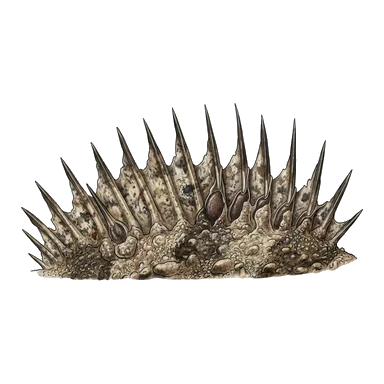 Espinhos venenosos
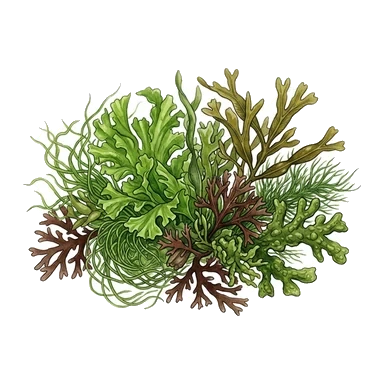
The marbled spinefoot is a shoaling fish that mostly eats algae. It lives in shallow warm seas in the Red Sea and western Indian Ocean, and it has spread into the Mediterranean. Its spines carry venom, so it is one to leave alone.1
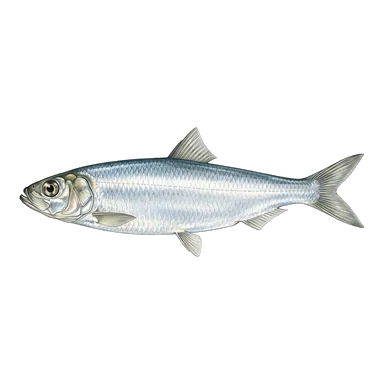
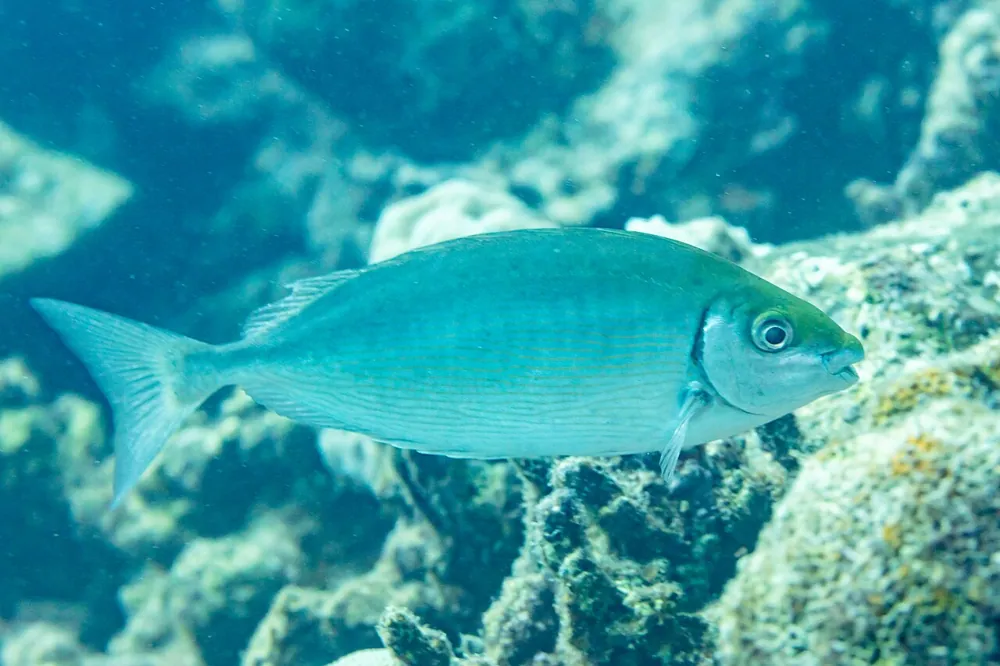
 Como reconhecê-lo
,_Yeda,_Arabia_Saudita,_2025-05-19,_DD_86.jpg)
Poder do veneno
Espinhos afiados levam o veneno. Pisá-lo ou agarrá-lo dói.
O que faz o seu veneno?
The spines in the fins have venom glands at their base. The venom is a protein that is damaged by heat. The sting is very painful.1
Quão perigoso é para as pessoas?
Perigo para as pessoas: DolorosoPode doer muito, mas quase nunca é grave.The spines can inflict a painful sting if the fish is handled incorrectly. No deaths from its venom have been recorded. Separately, poisoning has been recorded in Israel after people ate its flesh, linked to fish caught in polluted water.1
O que faz quando tem medo?
Its spines are barbed and venomous, and they can injure anyone who handles the fish carelessly.1
 If its spines stab you
- The affected area should be treated with as high a temperature as possible, within 43 to 46 °C, because heat damages the venom. The person should also be checked for possible infection.1
- Põe a ferida em água quente, tão quente quanto a pessoa aguentar sem se queimar (testa com a tua própria mão), durante 30 a 90 minutos. Procura ajuda médica, sobretudo com peixes-pedra e raias.
Liga sempre primeiro para o teu número de emergência (112, 000, 911). Isto são orientações gerais de primeiros socorros, não conselho médico. Primeiros socorros básicos
 Fica em segurança
- Nunca toques, apanhes ou provoques um animal selvagem, mesmo pequeno, e mesmo que pareça a dormir ou morto.
- Dá-lhe espaço. Se encontrares um, mantém a calma, recua devagar e deixa-o seguir o seu caminho.
- If its spines stab you: stay calm, keep still, call your emergency number (112, 000, 911) or get to a hospital fast. Remember what it looked like, a photo helps.
Não anda atrás de ti. Usa o veneno para caçar ou para se proteger, e prefere muito mais esconder-se. Mais sobre como estar seguro
Onde no mundo?
Que tamanho tem?
Quanto mede?
 tão comprido como 2 bananas em fila
 tão comprido como 12 peças de construção em fila
 conseguia nadar o comprimento de uma piscina grande (50 m) em 35 segundos
Que tamanho tem Marbled spinefoot comparado contigo?
São só contas no teu navegador. Nada é guardado nem enviado para lado nenhum.
Quão rápido é?
Factos
Some people have reported hallucinations after eating it.1
Eating its flesh has caused poisoning, and the toxins involved are similar to ciguatoxin.1
Its spines carry venom from glands at their base, so the fish can sting when it is handled.1
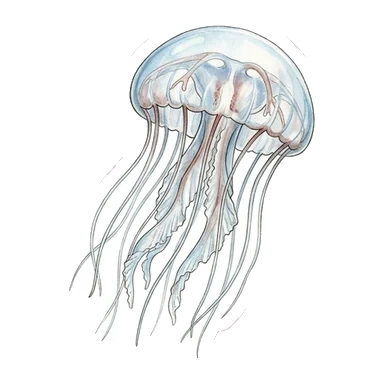
Adults can eat jellyfish, including comb jellies and moon jellyfish, in parts of the northern Red Sea.1
It reached the Mediterranean through the Suez Canal, first recorded off Palestine in 1927.1
It can be bred in captivity and is being studied as a farmed fish because it eats plant-based feed.1
Para especialistas em veneno
- Nome científico
- Siganus rivulatus
- Grupo
- Peixes venenosos
- Família
- Siganidae2
- Ordem
- Acanthuriformes
- Continentes
- Oceano Índico, Mar Vermelho, Mar Mediterrâneo, Mar Arábico e Golfo Pérsico, Os oceanos
- Crias
- The fish lays eggs, which are fertilised outside the body. The eggs are 0.5 to 0.6 mm across, and the adults give them no care.1
- Perigo para as pessoas
- 2 / 5: Doloroso3
De onde vêm os factos
- Siganus rivulatus (Wikipedia (CC BY-SA 4.0))
- Siganus rivulatus (iNaturalist): nomes e classificação.
- Venom Wiki: o nível de perigo, o tamanho típico e a velocidade estimada são nossos. Vê como os calculamos: Como avaliamos o perigo.
Cada facto desta página tem um número que aponta para a sua fonte. Se nos enganámos em alguma coisa, desculpa, somos fãs de animais, não uma revista científica. Diz-nos em [email protected] e nós corrigimos.
 O escorpião tem fome! A Venom Wiki é um projeto de uma só pessoa: gratuito, sem anúncios e sem rastreadores. Uma pequena gorjeta ajuda a mantê-la online.Alimenta o escorpião
Mais do mesmo grupo: Peixes venenosos
 Reef stonefishPeixes venenososPode matarNão tocar
 Red lionfishPeixes venenososPrecisa de médicoNão tocar
 Estuarine stonefishPeixes venenososPode matarNão tocar
 Short-tail stingrayPeixes venenososPode matar
 Striped eel catfishPeixes venenososPode matarNão tocar
 Bluespotted ribbontail rayPeixes venenososPrecisa de médico
Também vive em: Oceano Índico
 Australian box jellyfishAlforrecas e picadores do marMortalNão tocar
 Geography coneCaracóis-cone e polvosMortal
 Greater blue-ringed octopusCaracóis-cone e polvosMortal
 Southern blue-ringed octopusCaracóis-cone e polvosMortal
 Hawksbill sea turtleOutros animais tóxicosPode matar
 Irukandji jellyfishAlforrecas e picadores do marPode matarNão tocar