
 Afrika
 Ázia
Ázia Európa
 Južná Amerika
 Austrália a Oceánia
 Antarktída
 Tichý oceán
 Atlantický oceán
 Indický oceán
 Severný ľadový oceán
 Stredozemné more
 Červené more
 Karibské more
 Koralové more
 Juhočínske more
 Filipínske more
 Andamanské more
 Severné more
 Timorské a Arafurské more
 Bengálsky záliv
 Kalifornský záliv
Common toad
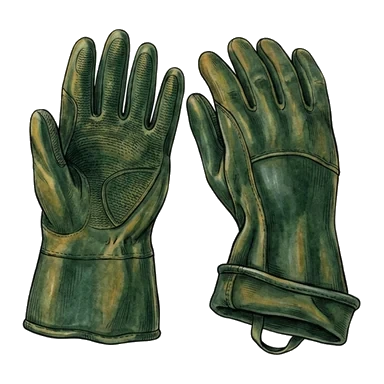 Toxín v koži
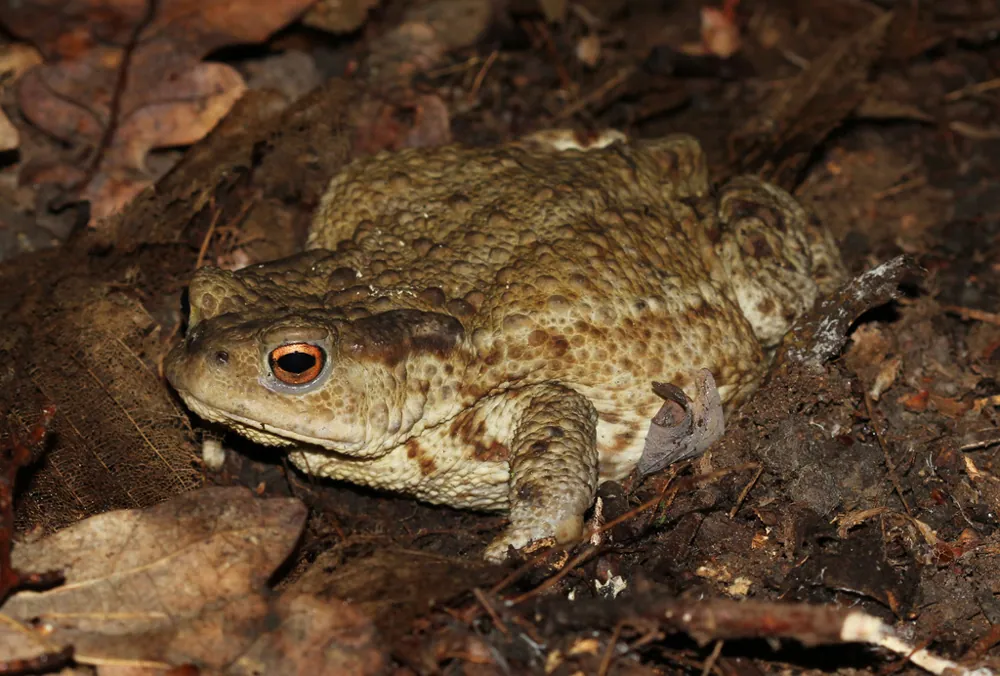
The common toad is a stout, warty toad that lives across most of Europe, in western North Asia and in a small part of northwest Africa. It hides under stones and leaves by day and hunts slugs, beetles and worms at night. Its skin releases a foul-tasting toxin that helps protect it from predators.1
 Ako ho spoznať
- Greyish-brown, olive-brown or brown skin covered in small, wart-like lumps1
- Bulging paratoid glands just behind the eyes, which are a clear sign of a toad1
- Yellow or copper-coloured eyes with horizontal, slit-shaped pupils1
- No tail, no teeth, and no neck visible between the head and body1
- Walks slowly or makes short shuffling hops, rather than leaping1
Často sa zamieňa s: The natterjack toad is usually smaller and has a yellow band down its back. The European green toad has a distinctive mottled pattern. The paratoid glands of both of these run parallel to each other, not slanting as in the common toad. The common frog has a less rounded snout, damp smooth skin, and usually leaps.1
Sila toxínu
Jeho koža je toxická. Je nebezpečné dotknúť sa ho, olízať ho alebo ho zjesť.
Čo robí jeho toxín?
The toad is poisonous rather than venomous, so it does not inject venom. Its paratoid glands and other skin glands secrete a noxious, foul-tasting substance containing bufotoxin, which is enough to deter many predators. Grass snakes seem to be unaffected by it.1
Aké nebezpečné je pre ľudí?
Nebezpečenstvo pre ľudí: BolestivéMôže to poriadne bolieť, ale skoro nikdy to nie je vážne.Čo robí, keď sa bojí?
When attacked, it inflates its body and stands with its hindquarters raised and its head lowered.1
 Ak sa ho niekto dotkol alebo ho zjedol
- Ak sa ho niekto dotkol: dôkladne umy ruky a nedotýkaj sa očí ani úst. Ak ho dieťa alebo domáce zviera olízalo alebo zjedlo: volaj toxikologické centrum alebo tiesňovú linku.
Vždy najprv zavolaj na tiesňovú linku (112, 000, 911). Toto sú všeobecné rady prvej pomoci, nie lekárska rada. Základy prvej pomoci
 Buď v bezpečí
- Nikdy sa nedotýkaj divého zvieraťa, nechytaj ho ani ho nedráždi, aj keď je malé a aj keď vyzerá, že spí alebo je mŕtve.
- Nechaj mu priestor. Ak nejaké stretneš, zostaň pokojný, pomaly cúvni a nechaj ho ísť svojou cestou.
- Ak si sa ho dotkol alebo si ho zjedol: nešúchaj si oči ani ústa, umy si ruky a vyhľadaj lekársku pomoc.
Nejde po tebe. Jeho toxín je tam len na to, aby ho nikto nezjedol. Viac o tom, ako zostať v bezpečí
Aké je veľké?
Aké je dlhé?
 dlhé ako 5 kociek stavebnice v rade
 by prebehlo 100 metrov za 180 sekúnd (najrýchlejší človek potrebuje 9,6)
Aký veľký je Common toad v porovnaní s TEBOU?
Iba matematika v tvojom prehliadači. Nič sa neukladá ani nikam neposiela.
Aké je rýchle?


Fakty
Common toads have been recorded at depths of about 99 m in Loch Ness, Scotland, which surprised researchers because it is an air-breathing animal.1
Crows have been seen puncturing the toad's skin and pecking out its liver to avoid the toxin.1
They can live for about ten to twelve years in the wild and have survived for fifty years in captivity.1
Toads can see prey in low light where humans cannot see anything.1
Adults often return to the same breeding pond year after year, and over 80% of males marked as juveniles were found to return to the pond where they were spawned.1
Pre znalcov jedov
- Vedecký názov
- Bufo bufo
- Skupina
- Pralesničky, ropuchy a mloky
- Rodina
- Bufonidae2
- Rad
- Anura
- Kontinenty
- Európa, Ázia
- Mláďatá
- The female lays eggs in gelatinous strings in the water. These hatch into tadpoles, which take several months to grow and sprout limbs before becoming tiny toads.1
- Dĺžka života
- asi 10 rokov1
- Ako sa mu darí v prírode
- Least Concern1
- Nebezpečenstvo pre ľudí
- 2 / 5: Bolestivé3
Odkiaľ sú fakty
- Common toad (Wikipedia (CC BY-SA 4.0))
- Bufo bufo (iNaturalist): mená a klasifikácia.
- Venom Wiki: úroveň nebezpečenstva, typická veľkosť a odhad rýchlosti sú naše vlastné. Pozri, ako ich určujeme: Ako hodnotíme nebezpečenstvo.
Každý fakt na tejto stránke má číslo, ktoré ukazuje na jeho zdroj. Ak sme sa v niečom pomýlili, prepáč, sme fanúšikovia zvierat, nie vedecký časopis. Napíš nám na [email protected] a opravíme to.
 Škorpión je hladný! Venom Wiki je projekt jedného človeka: zadarmo, bez reklám a bez sledovania. Malý príspevok pomôže udržať ho online.Nakŕm škorpióna
Viac z tej istej skupiny: Pralesničky, ropuchy a mloky
 Fire salamanderPralesničky, ropuchy a mlokyLen to bolíNedotýkaj sa
 Japanese fire-bellied newtPralesničky, ropuchy a mlokyTreba lekáraNedotýkaj sa
 European fire-bellied toadPralesničky, ropuchy a mlokyNeškodné
 Iberian ribbed newtPralesničky, ropuchy a mlokyNeškodné
 Natterjack toadPralesničky, ropuchy a mlokyNeškodné
 Oriental fire-bellied toadPralesničky, ropuchy a mlokyNeškodné
 Common European adder
 Spanish fly
 Common wasp
 European hornet
 Western honey bee
 Blunt-nosed viper