
 Afrika
 Asia
Asia Yuropu
 Amerika yeKumaodzanyemba
 Australia neOceania
 Antarctica
 Gungwa rePacific
 Gungwa reAtlantic
 Gungwa reIndia
 Gungwa reArctic
 Gungwa reMediterranean
 Gungwa Dzvuku
 Gungwa reCaribbean
 Gungwa reCoral
 Gungwa reChina yeKumaodzanyemba
 Gungwa rePhilippines
 Gungwa reAndaman
 Gungwa reKuchamhembe
 Gungwa reTimor neArafura
 Gungwa reBengal
 Gulf yeCalifornia
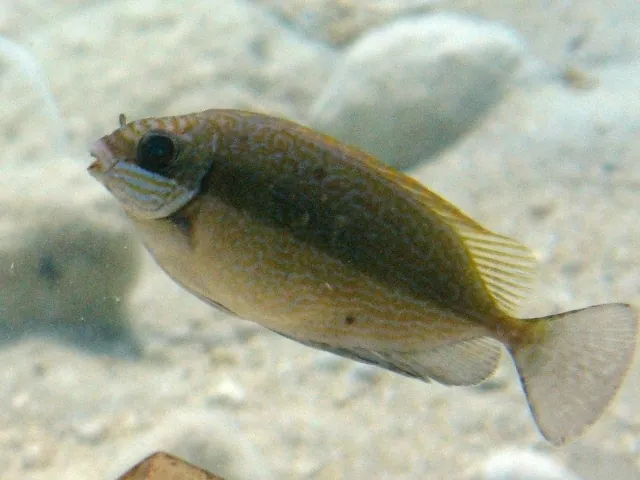
Dusky spinefoot
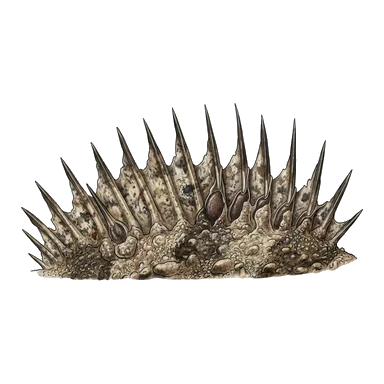 Mazonzwa ane uturu
The dusky spinefoot is a rabbitfish with venomous spines on its fins. It is native to the western Indian Ocean and has spread into the Mediterranean Sea through the Suez Canal. People also catch it as a food fish.1
 Maziviro ayo
Simba reuturu
Mazonzwa akapinza ndiwo anotakura uturu. Kuitsika kana kuibata kunorwadza.
Uturu hwayo hunoitei?
The spines on its fins produce venom. In a study of a related rabbitfish, the venom was found to be similar to stonefish venom.1
Ine ngozi yakadii kuvanhu?
Ngozi kuvanhu: InorwadzaInogona kurwadza chaizvo, asi kazhinji haisi njodzi huru.When eaten, it has been linked to cases of mild ciguatera-like poisoning. Ciguatera is a form of food poisoning caused by toxins in some reef fish.1
Inoitei kana yatya?
When threatened, it stops suddenly and raises its dorsal, anal and pelvic fins, showing an array of venomous spines around its body.1
 Kana minzwa yayo ikakubaya
- Isa ronda mumvura inopisa, inopisa sezvinokwanisa munhu asina kutsva (iedze neruoko rwako), kwemaminitsi 30 kusvika 90. Wana rubatsiro rwechiremba, kunyanya kustonefish nemastingray.
Gara uchitanga wafonera nhamba yechimbichimbi (112, 000, 911). Iri izano rakajairika rerubatsiro rwekutanga, kwete zano rechiremba. Zvakakosha zverubatsiro rwekutanga
 Gara wakachengeteka
- Usambobata mhuka yesango, kuedza kuitora kana kuinetsa, kunyange iri diki, uye kunyange ichiita seyakarara kana yakafa.
- Ipa nzvimbo. Kana ukasangana nayo, dzikama, dzokera shure zvishoma nezvishoma uirege iende nenzira yayo.
- Kana minzwa yayo ikakubaya: dzikama, gara wakanyarara, fonera nhamba yechimbichimbi (112, 000, 911) kana kuti enda kuchipatara nokukurumidza. Rangarira kuti yaitaridzika sei, mufananidzo unobatsira.
Haisi kukutsvaga. Inoshandisa uturu hwayo kubata chikafu kana kuzvidzivirira, uye inotonyanya kuda kuhwanda. Zvimwe pamusoro pekugara wakachengeteka
Kupi pasi rose?
Yakakura sei?
Yakareba zvakadii?
 yakareba sezvidhinha zvematoyi 9 zvakateedzana
 inogona kushambira kureba kwedziva guru rekushambira (50 m) mumasekondi 36
Dusky spinefoot yakakura sei kana yaenzaniswa NEWE?
Masvomhu chete mubrowser yako. Hapana chinochengetwa kana kutumirwa kupi zvako.
Inomhanya zvakadii?
Chokwadi
Its spines are mainly a defence against predators. The highest predation pressure falls on its larvae and planktonic stages.1
It came to the Mediterranean through the Suez Canal. It was first recorded off Israel in 1955 and has since spread as far west as the French Mediterranean coast and the Adriatic Sea.1
It is a daytime feeder. At night it hides in cavities in the reef.1
It is an important fish for fisheries in the Mediterranean. In Kenya, it is caught mainly as bycatch.1
Kune nyanzvi dzeuturu
- Zita resainzi
- Siganus luridus
- Boka
- Hove dzine uturu
- Mhuri
- Siganidae2
- Odha
- Acanthuriformes
- Makondinendi
- Gungwa reIndia, Gungwa Dzvuku, Gungwa reMediterranean, Gungwa reArabia neGulf yePersia, Makungwa makuru
- Vacheche
- It spawns in April and from June to August, when seawater is between 24 and 29 °C. The eggs and larvae drift in the plankton near the surface.1
- Ngozi kuvanhu
- 2 / 5: Inorwadza3
Kwakabva chokwadi
- Dusky spinefoot (Wikipedia (CC BY-SA 4.0))
- Siganus luridus (iNaturalist): mazita nekurongwa kwemhuka.
- Venom Wiki: danho rengozi, saizi yakajairika nekufungidzira kwekumhanya ndezvedu. Ona kuti tinozviwana sei: Matinoyera ngozi.
Chokwadi chimwe nechimwe pane peji rino chine nhamba inoratidza kwachakabva. Kana takakanganisa, ruregerero, tiri vanoda mhuka, kwete magazini yesainzi. Tiudze pa[email protected] tichazvigadzirisa.
 Chinyavada chine nzara! Venom Wiki iprojekiti yemunhu mumwe: yemahara, isina kushambadza uye isina zvinokuteedzera. Chipo chidiki chinobatsira kuti irambe iri paindaneti.Fudza chinyavada
Zvimwe kubva muboka rimwe chete: Hove dzine uturu
 Reef stonefishHove dzine uturuInogona kuurayaUsabata
 Red lionfishHove dzine uturuInoda chirembaUsabata
 Estuarine stonefishHove dzine uturuInogona kuurayaUsabata
 Short-tail stingrayHove dzine uturuInogona kuuraya
 Striped eel catfishHove dzine uturuInogona kuurayaUsabata
 Bluespotted ribbontail rayHove dzine uturuInoda chiremba
Inogarawo mu: Gungwa reIndia
 Australian box jellyfishMajellyfish nezvimwe zvinobaya zvegungwaInourayaUsabata
 Geography coneHozhwa dzecone nemaoctopusInouraya
 Greater blue-ringed octopusHozhwa dzecone nemaoctopusInouraya
 Southern blue-ringed octopusHozhwa dzecone nemaoctopusInouraya
 Hawksbill sea turtleDzimwe mhuka dzine chepfuInogona kuuraya
 Irukandji jellyfishMajellyfish nezvimwe zvinobaya zvegungwaInogona kuurayaUsabata