
 Afrika
 Asia
Asia Yuropu
 Amerika yeKumaodzanyemba
 Australia neOceania
 Antarctica
 Gungwa rePacific
 Gungwa reAtlantic
 Gungwa reIndia
 Gungwa reArctic
 Gungwa reMediterranean
 Gungwa Dzvuku
 Gungwa reCaribbean
 Gungwa reCoral
 Gungwa reChina yeKumaodzanyemba
 Gungwa rePhilippines
 Gungwa reAndaman
 Gungwa reKuchamhembe
 Gungwa reTimor neArafura
 Gungwa reBengal
 Gulf yeCalifornia
Matabele ant
 Inobaya
The Matabele ant is one of the largest ants in the world, and it hunts termites in raiding columns. It lives across much of sub-Saharan Africa. It is known for its teamwork, including rescuing and caring for injured nestmates.1

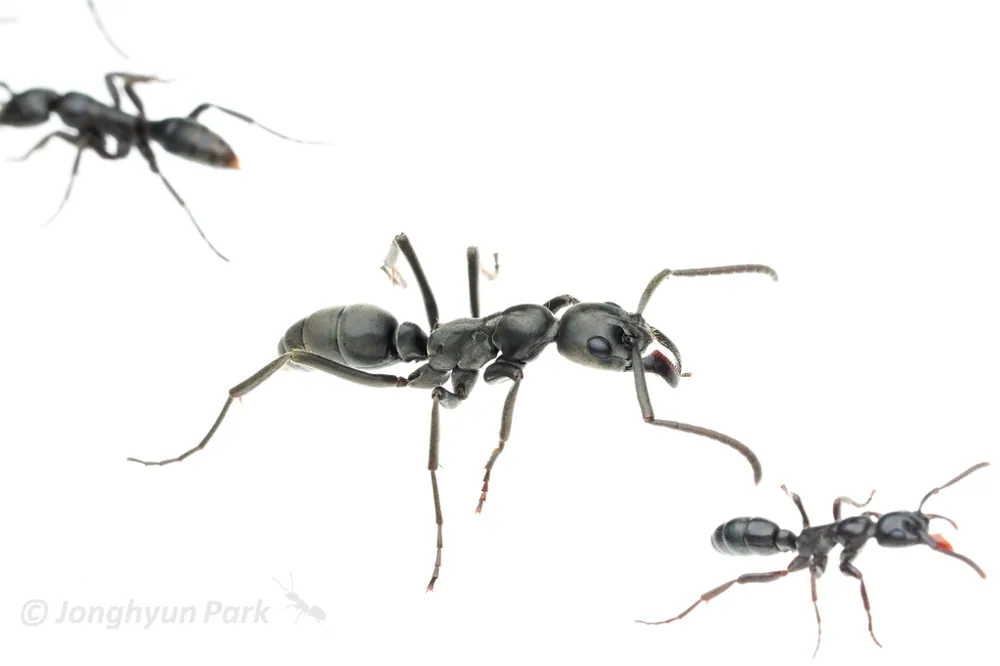
 Maziviro ayo
- Worker ants are 5 to 18 millimetres long, and some individuals reach up to 25 millimetres.1
- Larger workers make up to half of the colony.1
- Minor workers have less hair and smoother jaws (mandibles) than major workers.1
- They move in a column-like line when raiding termite sites.1
- Their glands release chemicals that smell like human faeces.1
Simba reuturu
Uturu hunobuda nerumbori.
Ine ngozi yakadii kuvanhu?
Ngozi kuvanhu: InorwadzaInogona kurwadza chaizvo, asi kazhinji haisi njodzi huru.Inoitei kana yatya?
When attacked by driver ants outside the nest, they check each other's legs and antennae and remove any enemy ants clinging to them.1
 Kana ikabaya
- Geza pakabayiwa wotonhodza.
- Kana munhu achinetseka kufema, chiso kana huro zvichizvimba, kana achinzwa kunge ofenda, ndiyo njodzi yeallergy: fonera nhamba yechimbichimbi.
Gara uchitanga wafonera nhamba yechimbichimbi (112, 000, 911). Iri izano rakajairika rerubatsiro rwekutanga, kwete zano rechiremba. Zvakakosha zverubatsiro rwekutanga
 Gara wakachengeteka
- Usambobata mhuka yesango, kuedza kuitora kana kuinetsa, kunyange iri diki, uye kunyange ichiita seyakarara kana yakafa.
- Ipa nzvimbo. Kana ukasangana nayo, dzikama, dzokera shure zvishoma nezvishoma uirege iende nenzira yayo.
- Kana imwe ikakubaya: dzikama, gara wakanyarara, fonera nhamba yechimbichimbi (112, 000, 911) kana kuti enda kuchipatara nokukurumidza. Rangarira kuti yaitaridzika sei, mufananidzo unobatsira.
Haisi kukutsvaga. Inoshandisa uturu hwayo kubata chikafu kana kuzvidzivirira, uye inotonyanya kuda kuhwanda. Zvimwe pamusoro pekugara wakachengeteka
Yakakura sei?
Yakareba zvakadii?
 inenge kureba sechibatanidzo chemapepa
Matabele ant yakakura sei kana yaenzaniswa NEWE?
Masvomhu chete mubrowser yako. Hapana chinochengetwa kana kutumirwa kupi zvako.
Inomhanya zvakadii?


Chokwadi
They are the first recorded non-human species to treat the wounds of other individuals consistently, by licking them for several minutes.1
Injured ants send out a chemical call for help, and nestmates carry them back to the nest. This reduces the mortality rate of injured ants from 32% to close to zero.1
Injured ants that have lost one or two legs adapt to walking on four or five legs and can reach running speeds similar to healthy ants.1
Some individuals reach up to 25 millimetres, which makes this one of the world's largest ants.1
Frogs of the species Phrynomantis microps are sometimes found in their nests, and these frogs produce a skin secretion that calms the ants' aggression.1
Scout ants lead raids from the front and lay pheromone trails, so the other ants can find their way back to the nest.1
Kune nyanzvi dzeuturu
Kwakabva chokwadi
- Megaponera (Wikipedia (CC BY-SA 4.0))
- Megaponera analis (iNaturalist): mazita nekurongwa kwemhuka.
- Venom Wiki: danho rengozi, saizi yakajairika nekufungidzira kwekumhanya ndezvedu. Ona kuti tinozviwana sei: Matinoyera ngozi.
Chokwadi chimwe nechimwe pane peji rino chine nhamba inoratidza kwachakabva. Kana takakanganisa, ruregerero, tiri vanoda mhuka, kwete magazini yesainzi. Tiudze pa[email protected] tichazvigadzirisa.
 Chinyavada chine nzara! Venom Wiki iprojekiti yemunhu mumwe: yemahara, isina kushambadza uye isina zvinokuteedzera. Chipo chidiki chinobatsira kuti irambe iri paindaneti.Fudza chinyavada
 Siafu driver ant
 African stink ant
 Samsum ant
 Bullet ant
 Red imported fire ant
 Bulldog ant
 Black mamba
 Deathstalker
 Egyptian cobra
 Puff adder
 Boomslang
 Fat-tailed scorpion