
 Afrika
 Asia
Asia Yuropu
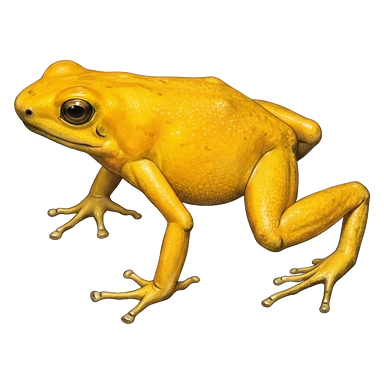 Amerika yeKumaodzanyemba
 Australia neOceania
 Antarctica
 Gungwa rePacific
 Gungwa reAtlantic
 Gungwa reIndia
 Gungwa reArctic
 Gungwa reMediterranean
 Gungwa Dzvuku
 Gungwa reCaribbean
 Gungwa reCoral
 Gungwa reChina yeKumaodzanyemba
 Gungwa rePhilippines
 Gungwa reAndaman
 Gungwa reKuchamhembe
 Gungwa reTimor neArafura
 Gungwa reBengal
 Gulf yeCalifornia
Tomato frog
 Chepfu muganda rayoInodya: ZvipukananaIne chepfu, haina uturu hwekuruma kana kubaya
The tomato frog is a bright orange-red frog that lives only on the island of Madagascar. Its colour is a warning: its skin produces a sticky white substance that can cause an allergic reaction in people. It is also a species of conservation concern, because many have been taken for the pet trade.1
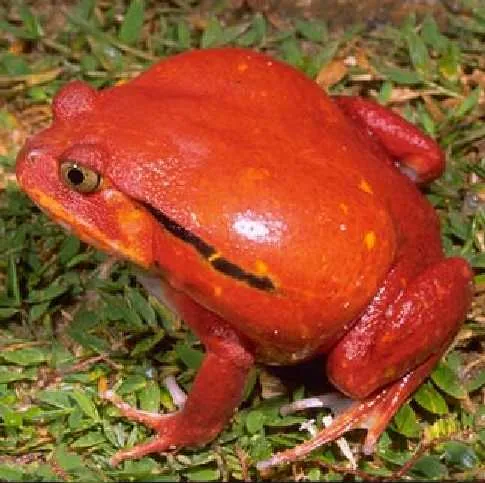
 Maziviro ayo
- Vibrant orange-red colour on the back1
- Females have brighter red or orange tones and a pale underside1
- Some individuals have black spots on the throat1
- Females are much larger than males1
Inowanzovhiringidzwa ne: The tomato frog is closely related to D. guineti, and the two are often confused. It is not yet clear how far the tomato frog's range extends, or whether it is a separate species or a variant of D. guineti.1
Simba rechepfu
Ganda rayo rine chepfu. Ine ngozi kubata, kunanzva kana kudya.
Chepfu yayo inoitei?
The tomato frog is poisonous to touch rather than venomous, as it does not inject venom. A white substance secreted from its skin acts as a glue and can produce an allergic reaction in humans.1
Ine ngozi yakadii kuvanhu?
Ngozi kuvanhu: Ngozi shomaSenyuchi kubaya kana kushoma. Kazhinji haina ngozi kuvanhu.The skin secretion can cause an allergic reaction in people.1
Inoitei kana yatya?
When threatened, it inflates its body to look larger, and its skin secretion acts as a sticky glue to deter predators.1
 Kana munhu akaibata kana kuidya
- Kana munhu akabata imwe: geza maoko zvakanaka uye usabata maziso kana muromo. Kana mwana kana chipfuwo chakananzva kana kudya imwe: fonera nzvimbo yeruzivo rwechepfu kana nhamba yechimbichimbi.
Gara uchitanga wafonera nhamba yechimbichimbi (112, 000, 911). Iri izano rakajairika rerubatsiro rwekutanga, kwete zano rechiremba. Zvakakosha zverubatsiro rwekutanga
 Gara wakachengeteka
- Usambobata mhuka yesango, kuedza kuitora kana kuinetsa, kunyange iri diki, uye kunyange ichiita seyakarara kana yakafa.
- Ipa nzvimbo. Kana ukasangana nayo, dzikama, dzokera shure zvishoma nezvishoma uirege iende nenzira yayo.
- Kana wakaibata kana kuidya: usakwesha maziso kana muromo wako, geza maoko ako uye wana rubatsiro rwechiremba.
Haisi kukutsvaga. Chepfu yayo iripo chete kuti pasava nechinhu chinoidya. Zvimwe pamusoro pekugara wakachengeteka
Yakakura sei?
Yakareba zvakadii?
Inorema zvakadii?

 yakareba sezvidhinha zvematoyi 3 zvakateedzana
 inogona kumhanya mamita 100 mumasekondi 78 (munhu anomhanyisa kupfuura vose anoda 9.6)
Tomato frog yakakura sei kana yaenzaniswa NEWE?
Masvomhu chete mubrowser yako. Hapana chinochengetwa kana kutumirwa kupi zvako.
Inomhanya zvakadii?


Chokwadi
Females are much larger than males, reaching up to 230 g, while males reach only about 41 g.1
Each female can lay between 1,000 and 1,500 eggs at once, on the surface of the water.1
Tadpoles are only about 6 mm long when they hatch and feed by filter-feeding.1
Tadpoles turn into yellow juveniles about 45 days after the eggs were laid.1
Kune nyanzvi dzeuturu
- Zita resainzi
- Dyscophus antongilii
- Boka
- Matatya ane chepfu, matoad nemanewt
- Mhuri
- Microhylidae2
- Odha
- Anura
- Makondinendi
- Afrika
- Vacheche
- Females lay a clutch of 1,000 to 1,500 eggs on the water surface. The tadpoles hatch about 36 hours later.1
- Iri kurarama sei musango
- Near Threatened (IUCN Red List)1
- Ngozi kuvanhu
- 1 / 5: Ngozi shoma3
Kwakabva chokwadi
- Dyscophus antongilii (Wikipedia (CC BY-SA 4.0))
- Dyscophus antongilii (iNaturalist): mazita nekurongwa kwemhuka.
- Venom Wiki: danho rengozi, saizi yakajairika nekufungidzira kwekumhanya ndezvedu. Ona kuti tinozviwana sei: Matinoyera ngozi.
Chokwadi chimwe nechimwe pane peji rino chine nhamba inoratidza kwachakabva. Kana takakanganisa, ruregerero, tiri vanoda mhuka, kwete magazini yesainzi. Tiudze pa[email protected] tichazvigadzirisa.
 Chinyavada chine nzara! Venom Wiki iprojekiti yemunhu mumwe: yemahara, isina kushambadza uye isina zvinokuteedzera. Chipo chidiki chinobatsira kuti irambe iri paindaneti.Fudza chinyavada
Zvimwe kubva muboka rimwe chete: Matatya ane chepfu, matoad nemanewt
 Golden mantellaMatatya ane chepfu, matoad nemanewtIsina ngozi
 Iberian ribbed newtMatatya ane chepfu, matoad nemanewtIsina ngozi
 African common toadMatatya ane chepfu, matoad nemanewtInongorwadzaUsabata
 Baron's mantellaMatatya ane chepfu, matoad nemanewtIsina ngozi
 Blue-legged mantellaMatatya ane chepfu, matoad nemanewtIsina ngozi
 Climbing mantellaMatatya ane chepfu, matoad nemanewtIsina ngozi
 Black mamba
 Deathstalker
 Egyptian cobra
 Puff adder
 Boomslang
 Fat-tailed scorpion