
 Afrika
 Aasiya
 Yurub
Yurub Koonfurta Ameerika
 Awstaraaliya iyo Oceania
 Antaarktika
 Badweynta Baasifigga
 Badweynta Atlantik
 Badweynta Hindiya
 Badweynta Arktik
 Badda Dhexe
 Badda Cas
 Badda Karibiyaanka
 Badda Kooraal
 Badda Koonfurta Shiinaha
 Badda Filibiin
 Badda Andaman
 Badda Waqooyi
 Badda Timor iyo Arafura
 Gacanka Bengaal
 Gacanka Kaliforniya
Oak processionary
 Timo mudda
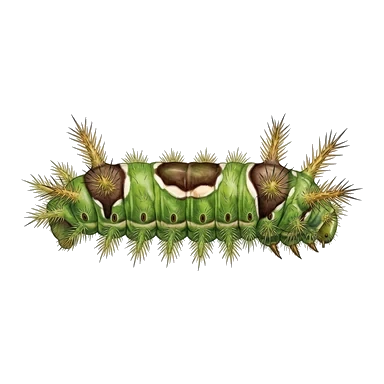
The oak processionary is a moth whose caterpillars feed on oak leaves and can strip trees bare. The caterpillars travel in long, nose-to-tail lines, which is how they got their name. Their fine, hair-like bristles can irritate skin and breathing, so they matter a lot to people.1
 Sida loo aqoonsado
- Adult moths have a wingspan of 25 to 35 mm and are tan, brown and white, which makes them hard to see against oak bark.1
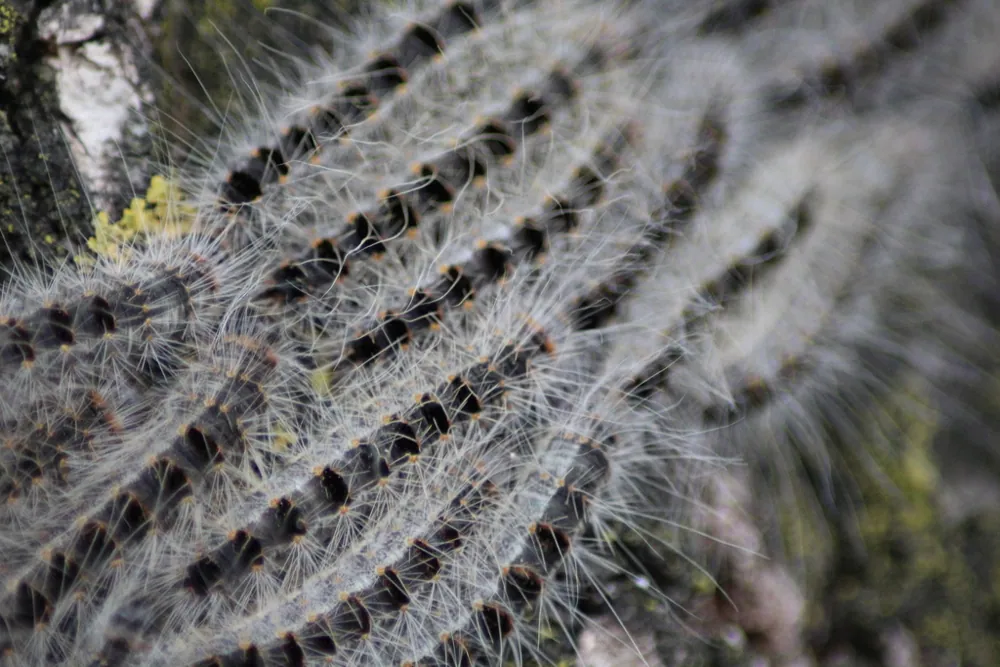
- Caterpillars have very long, white hairs that contrast with shorter hairs.1
- Caterpillars march in lines, often arrow-shaped, with a leader and rows of several caterpillars side by side.1
- Nests are white and silk-like when new, and become discoloured and hard to see over time.1
- Nests can be round, teardrop-shaped, bag-like or blanket-like, and can be found at any height on an oak tree.1
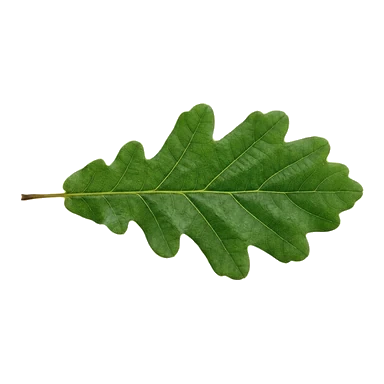
Inta badan lagu khaldaa: Caterpillars of several other species may be mistaken for the oak processionary. Unlike other caterpillars, the oak processionary does not live on fences or walls, so it is mostly found in oak trees or on the ground beneath them in late spring and early summer.1
Awoodda sunta
Timo ama cows yaryar ayaa maqaarka ku jaba oo muda.
Maxay samaysaa suntiisa (qaniin ama mudid)?
The caterpillars' back bristles contain a urticating toxin called thaumetopoein, a protein that irritates the skin. Contact can cause a papular rash and itching, and the hairs can also cause eye inflammation (conjunctivitis). If the hairs are breathed in, they can cause sore throat (pharyngitis), breathing problems, asthma, or in rare cases anaphylaxis, a severe allergic reaction.1
Intee buu dadka khatar ugu yahay?
Khatarta dadka: Xanuun badanAad buu u xanuunjin karaa, laakiin ku dhowaad weligiis khatar weyn ma aha.The moths are an increasing nuisance to people as their range grows, and the hairs can cause a skin condition called epidemic caterpillar dermatitis. The hairs break off easily, float in the air, and can stay harmful for several seasons. Mowing a lawn can bring people into contact with them.1
 War wanaagsan: dhakhaatiirtu waxay leeyihiin daawo (antivenom) ama daaweyn tan loogu talagalay.1
Muxuu sameeyaa marka uu baqo?
The caterpillars defend themselves with thousands of pointed, easily broken bristles on their backs that float in the air and irritate the skin.1
 Haddii aad taabato timihiisa
- The skin irritation and itching can be largely relieved by cetirizine-based antihistamine tablets. Anyone with breathing problems or a severe reaction needs urgent medical help.1
- Timaha mudda ee dirxiga: ku qaad cajalad dhegdheg ah, kadib dhaq maqaarka. Ha xoqin.
- Qaniinyada: dhaq oo qabooji. Hel caawimaad caafimaad haddii qofku dareemo xanuun ama uu si fudud u dhiig baxo.
Marka hore had iyo jeer wac lambarka gurmadka degdegga ah (112, 000, 911). Kani waa hage guud oo gargaar degdeg ah, ma aha talo caafimaad. Aasaaska gargaarka degdegga ah
 Badbaado
- Weligaa ha taaban, ha qaban, hana ku ciyaarin xayawaan duurjoog ah, xitaa mid yar, xitaa haddii uu u muuqdo inuu hurdo ama dhintay.
- Meel u bannee. Haddii aad mid la kulanto, deg, tartiib dib ugu noqo oo u daa inuu jidkiisa maro.
- Haddii aad taabato timihiisa: deg, ha dhaqaaqin, wac lambarka gurmadka degdegga ah (112, 000, 911) ama si degdeg ah u tag isbitaalka. Xusuuso sida uu u egyahay, sawir ayaa caawiya.
Kuma raadinayo. Suntiisa wuxuu u isticmaalaa inuu cunto ku qabsado ama isku difaaco, wuxuuna aad u door bidaa inuu dhuunto. Wax badan oo ku saabsan badbaadada
Intee buu le'eg yahay?
Intee buu dherer le'eg yahay?
 qiyaastii dhererka biin warqad
 ka gaabis badan qolofleyda beerta
Intee buu Oak processionary le'eg yahay marka ADIGA laguu barbar dhigo?
Xisaab keliya oo browser-kaaga ku jirta. Waxba lama keydiyo, meelna looma diro.
Intee buu u dheereeyaa?

Xaqiiqooyin
Older caterpillars can have up to 63,000 pointed defensive bristles on their backs.1
In 2007, soldiers were deployed to burn infestations in the Belgian province of Limburg.1
The UK government spent £37 million trying to control the caterpillars, which had spread to all 33 London boroughs by 2019.1
In the Netherlands, great tits have been observed eating the young caterpillars before their hairs develop in April.1
In 2023, an outbreak in Ireland was successfully eradicated.1
Khubarada sunta
- Magaca sayniska
- Thaumetopoea processionea
- Koox
- Dirxiyo iyo cayayaan
- Qoys
- Notodontidae2
- Kala horreynta
- Lepidoptera
- Qaaradaha
- Yurub
- Carruurta yaryar
- Eggs hatch into caterpillars that build communal silk nests in oak trees, and the caterpillars later pupate into adult moths in these nests.1
- Khatarta dadka
- 2 / 5: Xanuun badan3
Meesha xaqiiqooyinku ka yimaadaan
- Oak processionary (Wikipedia (CC BY-SA 4.0))
- Thaumetopoea processionea (iNaturalist): magacyada iyo kala soocidda.
- Venom Wiki: heerka khatarta, cabbirka caadiga ah iyo qiyaasta xawaaraha annaga ayaa sameeyay. Eeg sida aan u xisaabinno: Sida aan u qiimeyno khatarta.
Xaqiiq kasta oo boggan ku jirta waxay leedahay lambar tilmaamaya ilaha laga keenay. Haddii aan wax khaldanno, raalli ahaw, waxaan nahay dad xayawaanka jecel, ma aha joornaal saynis. Nagu soo sheeg [email protected] waana saxaynaynaa.
 Dabaqalloocu waa gaajaysan yahay! Venom Wiki waa mashruuc hal qof leeyahay: waa bilaash, xayaysiis iyo raadraac midna ma leh. Deeq yar ayaa caawisa inuu internetka ku sii jiro.Quudi dabaqallooca
Wax kale oo isla kooxda ah: Dirxiyo iyo cayayaan
 Pine processionaryDirxiyo iyo cayayaanWuu xanuunjiyaa oo keliyaHa taaban
 Common bombardier beetleDirxiyo iyo cayayaanWaxyeello ma leh
 Brown-tail mothDirxiyo iyo cayayaanWuu xanuunjiyaa oo keliyaHa taaban
 Masked hunterDirxiyo iyo cayayaanWuu xanuunjiyaa oo keliya
 Pine-tree lappetDirxiyo iyo cayayaanWuu xanuunjiyaa oo keliyaHa taaban
 Common backswimmerDirxiyo iyo cayayaanWaxyeello ma leh
Sidoo kale wuxuu ku nool yahay: Yurub
 Common European adderAbeesooyin iyo adderWuxuu u baahan yahay dhakhtar
 Spanish flyXayawaanno kale oo sun leh (taabasho ama cunid)Wuxuu u baahan yahay dhakhtarHa taaban
 Common waspShinni, wasp iyo hornetWuu xanuunjiyaa oo keliya
 European hornetShinni, wasp iyo hornetWuu xanuunjiyaa oo keliya
 Fire salamanderRahyada sunta leh, raha dhulka iyo newtWuu xanuunjiyaa oo keliyaHa taaban
 Western honey beeShinni, wasp iyo hornetWuu xanuunjiyaa oo keliya