
 Afrika
 Asia
Asia Yuropa
 Amerika Borwa
 Australia le Oceania
 Antarctica
 Lewatle la Pacific
 Lewatle la Atlantic
 Lewatle la India
 Lewatle la Arctic
 Lewatle la Mediterranean
 Lewatle le Lefubedu
 Lewatle la Caribbean
 Lewatle la Coral
 Lewatle la China Borwa
 Lewatle la Philippine
 Lewatle la Andaman
 Lewatle la Leboya
 Lewatle la Timor le Arafura
 Kgwohlo ya Bengal
 Kgwohlo ya California
Skeleton tarantula
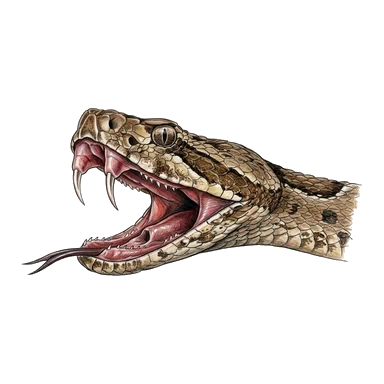 Ho loma
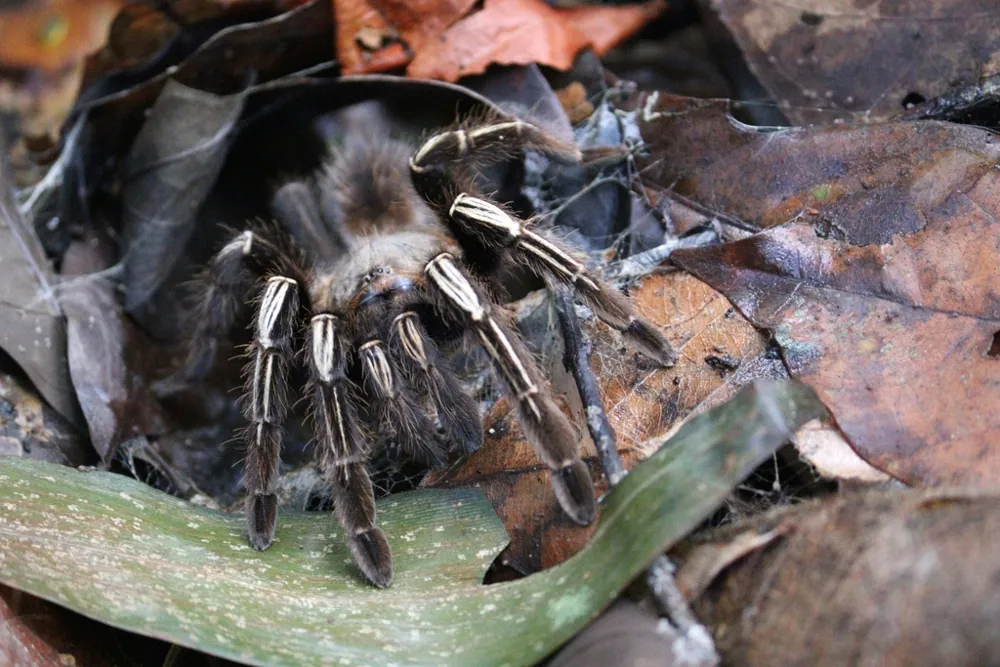
The skeleton tarantula is a large, hairy spider from South America. It lives mostly on the forest floor in the lowland forests of northern Brazil, French Guiana and Suriname. It is known for its skeleton-like leg markings and for being fast and ready to defend itself.1
 Ho e tseba jwang
- Black legs with yellowish, skeleton-like striping1
- Small, brown abdomen1
- Coffee-coloured or golden carapace (the hard shell covering the front of the body)1
- Leg span of about 11 to 12 cm, though females can reach 15 cm1
Hangata e ferekanngwa le: Aphonopelma seemani has leg striping similar to this spider's. The skeleton tarantula's striping is more yellowish.1
Matla a chefo
Chefo e tswa ka meno a yona a chefo (fangs) kapa ka meno a mang ha e loma.
E kotsi hakae ho batho?
Kotsi ho batho: E bobebeJwaloka ho hlajwa ke notshi kapa ho fetang moo. Ha e na kotsi ho batho.E etsang ha e tshohile?
When threatened, it brushes urticating hairs off its palps (the small leg-like organs near the mouth) by rubbing them against its chelicerae (jaw parts). It will also rise up and show its fangs.1
 Haeba e loma
- Hlatswa moo e lomileng teng mme o pholise. Fumana thuso ya bongaka haeba bohloko bo le matla kapa motho a ikutlwa a kula.
Kamehla letsetsa nomoro ya tshohanyetso pele (112, 000, 911). Ena ke tataiso e akaretsang ya thuso ya pele, hase keletso ya bongaka. Metheo ya thuso ya pele
 Dula o bolokehile
- O se ke wa ama, wa tshwara kapa wa tena phoofolo ya naheng, leha e le e nyenyane, le leha e shebahala e robetse kapa e shwele.
- E fe sebaka. Ha o kopana le yona, dula o kgutsitse, kgutlela morao butle mme o e tlohele e tsamaye ka tsela ya yona.
- Haeba e nngwe e o loma: dula o kgutsitse, o se ke wa sisinyeha, letsetsa nomoro ya tshohanyetso (112, 000, 911) kapa o ye sepetlele kapele. Hopola hore e ne e shebahala jwang, foto e a thusa.
Ha e o batle. E sebedisa chefo ya yona ho tshwara dijo kapa ho itshireletsa, mme e kgetha ho ipata. Ho eketsehileng ka ho dula o bolokehile
Hokae lefatsheng?
E kgolo hakae?
E telele hakae?
 e telele jwaloka diboloko tsa ho bapala tse 5 moleng
 e ka matha metara e 100 ka metsotswana e 220 (motho ya potlakang ka ho fetisisa o hloka 9,6)
Skeleton tarantula e kgolo hakae ha e bapiswa le WENA?
Ke dipalo feela ka hara sebatli sa hao. Ha ho letho le bolokwang kapa le romelwang kae kapa kae.
E potlaka hakae?


Dintlha
Its urticating hairs grow on its palps, not on its abdomen as they do in most New World tarantulas.1
It is a fast and aggressive species that will readily rise up and present its fangs to a predator.1
It builds a heavily webbed burrow under the topsoil, or among branches, rocks and other forest floor debris.1
Most members of its subfamily live in trees, but this species lives mainly on or near the forest floor.1
Moo dintlha di tswang teng
- Skeleton tarantula (Wikipedia (CC BY-SA 4.0))
- Ephebopus murinus (iNaturalist): mabitso le tlhophiso.
- Venom Wiki: boemo ba kotsi, boholo bo tlwaelehileng le kakanyo ya lebelo ke tsa rona. Bona kamoo re di balang ka teng: Kamoo re lekanyang kotsi ka teng.
Taba e nngwe le e nngwe leqepheng lena e na le nomoro e bontshang mohlodi wa yona. Haeba re entse phoso, re kopa tshwarelo, re barati ba diphoofolo, hase makasine wa saense. Re bolelle ho [email protected] mme re tla e lokisa.
 Phepheng e lapile! Venom Wiki ke projeke ya motho a le mong: ke mahala, ha e na dipapatso ebile ha e na di-tracker. Thuso e nyenyane ya tjhelete e e boloka e ntse e le inthaneteng.Fepa phepheng
Tse ding tsa sehlopha se le seng: Di-tarantula le di-funnel-web
 Goliath birdeaterDi-tarantula le di-funnel-webE utlwisa bohloko feela
 Brazilian salmon pink birdeaterDi-tarantula le di-funnel-webHa e na kotsi
 Chilean rose tarantulaDi-tarantula le di-funnel-webHa e na kotsi
 Greenbottle blue tarantulaDi-tarantula le di-funnel-webHa e na kotsi
 Pinktoe tarantulaDi-tarantula le di-funnel-webHa e na kotsi
 Brazilian funnel-web spiderDi-tarantula le di-funnel-webE hloka ngaka
 Golden poison frog
 Terciopelo
 Brazilian wandering spider
 Eyelash viper
 Golden lancehead
 South American bushmaster