
 Afrika
 Asia
Asia Ulaya
Ulaya Amerika Kusini
 Australia na Oceania
 Antaktika
 Bahari ya Pasifiki
 Bahari ya Atlantiki
 Bahari ya Hindi
 Bahari ya Aktiki
 Bahari ya Mediterania
 Bahari ya Shamu
 Bahari ya Karibi
 Bahari ya Matumbawe
 Bahari ya Kusini ya China
 Bahari ya Ufilipino
 Bahari ya Andaman
 Bahari ya Kaskazini
 Bahari ya Timor na Arafura
 Ghuba ya Bengal
 Ghuba ya California
White-marked tussock moth
 Manyoya yanayowasha
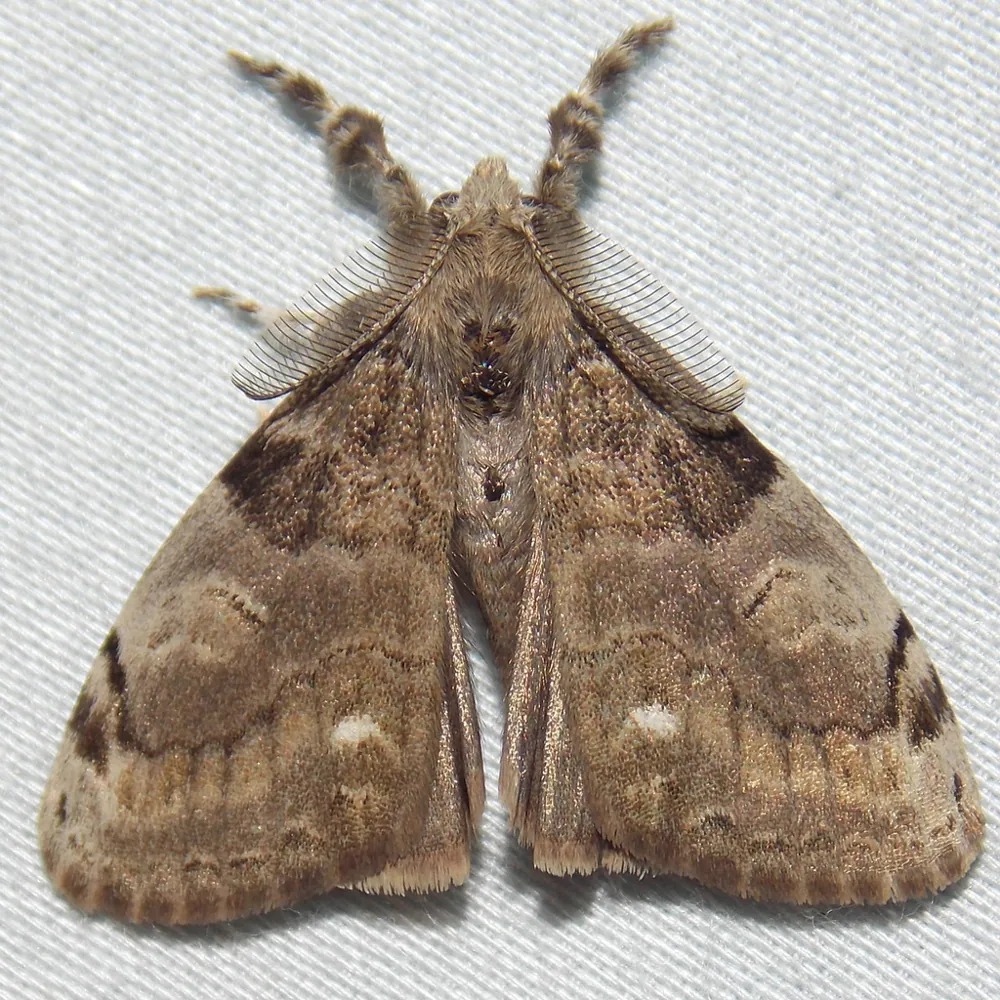
The white-marked tussock moth is a moth whose caterpillar is brightly coloured and covered in hairs. It is very common in late summer in eastern North America, and its hairs can cause an allergic reaction in many people who touch them.1

 Jinsi ya kumtambua
- Caterpillar has a bright red head and yellow or white stripes on the body, with a black stripe along the middle of the back1
- Caterpillar has bright red glands at the hind end of the back and four white, toothbrush-like tufts standing out from the back1
- Caterpillar has a grey-brown hair pencil at its hind end1
- Adult males are grey with wavy black lines and a white spot on the forewings1
- Adult males have very feathery antennae; females have reduced wings and stay near their cocoon1
Mara nyingi huchanganywa na: The vapourer (Orgyia antiqua) is similar to the adult male but is a rusty colour rather than grey.1
Nguvu ya sumu
Manyoya madogo au vinywele hukatika ndani ya ngozi na kuwasha.
Ana hatari gani kwa watu?
Hatari kwa watu: HafifuKama kudungwa na nyuki au chini ya hapo. Kimsingi hana madhara kwa watu.Touching the hairs of the caterpillar sets off an allergic reaction in many humans.1
Hufanya nini akiogopa?
The caterpillar has bright red defensive glands on the hind end of its back, and its hairs can cause an allergic reaction if touched.1
 Ukigusa manyoya yake
- Kwa manyoya ya kiwavi yanayowasha: yaondoe kwa utepe unaonata, kisha osha ngozi. Usisugue.
- Kwa kuumwa: osha na upoze. Tafuta msaada wa kitabibu mtu akijisikia vibaya au akivuja damu kwa urahisi.
Daima piga namba ya dharura kwanza (112, 000, 911). Huu ni mwongozo wa jumla wa huduma ya kwanza, si ushauri wa kitabibu. Misingi ya huduma ya kwanza
 Kaa salama
- Kamwe usimguse, kumkamata wala kumchokoza mnyama wa porini, hata akiwa mdogo, na hata akionekana amelala au amekufa.
- Mpe nafasi. Ukikutana naye, tulia, rudi nyuma polepole na umwache aende zake.
- Ukigusa manyoya yake: tulia, usitikisike, piga namba yako ya dharura (112, 000, 911) au nenda hospitali haraka. Kumbuka alivyoonekana, picha husaidia.
Hakuwindi wewe. Hutumia sumu yake kukamata chakula au kujilinda, na hupendelea zaidi kujificha. Zaidi kuhusu kukaa salama
Ana ukubwa gani?
Ana urefu gani?
 karibu urefu sawa na kibanio cha karatasi
 polepole kuliko konokono wa bustanini
White-marked tussock moth ana ukubwa gani ukilinganisha na WEWE?
Ni hesabu tu kwenye kivinjari chako. Hakuna kinachohifadhiwa wala kutumwa popote.
Ana kasi gani?

Ukweli
The four white tufts on the caterpillar's back may mimic the cocoons of parasitic wasps.1
Large caterpillars are mostly eaten by birds, while small caterpillars mostly disappear while dispersing.1
The fungus Entomophaga maimaiga was introduced to North America to control the spongy moth, and it also infects this species.1
There are two or more generations each year in eastern North America, and the eggs overwinter.1
Ukweli unatoka wapi
- Orgyia leucostigma (Wikipedia (CC BY-SA 4.0))
- Orgyia leucostigma (iNaturalist): majina na uainishaji.
- Venom Wiki: kiwango cha hatari, ukubwa wa kawaida na makadirio ya kasi ni yetu wenyewe. Ona jinsi tunavyovipata: Jinsi tunavyopima hatari.
Kila ukweli kwenye ukurasa huu una namba inayoonyesha chanzo chake. Kama tumekosea kitu, samahani, sisi ni wapenzi wa wanyama, si jarida la kisayansi. Tuambie kupitia [email protected] nasi tutarekebisha.
 Nge ana njaa! Venom Wiki ni mradi wa mtu mmoja: bure, bila matangazo na bila vifuatiliaji. Mchango mdogo husaidia kuiweka hewani.Mlishe nge
 Giant water bug
 Puss caterpillar
 Saddleback caterpillar
 Wheel bug
 Giant vinegaroon
 Rhodnius kissing bug
 Terciopelo
 Eastern coral snake
 Eastern diamondback rattlesnake
 Eyelash viper
 Timber rattlesnake
 Western diamondback rattlesnake