
 Afrika
 Asia
Asia Ulaya
Ulaya Amerika Kusini
 Australia na Oceania
 Antaktika
 Bahari ya Pasifiki
 Bahari ya Atlantiki
 Bahari ya Hindi
 Bahari ya Aktiki
 Bahari ya Mediterania
 Bahari ya Shamu
 Bahari ya Karibi
 Bahari ya Matumbawe
 Bahari ya Kusini ya China
 Bahari ya Ufilipino
 Bahari ya Andaman
 Bahari ya Kaskazini
 Bahari ya Timor na Arafura
 Ghuba ya Bengal
 Ghuba ya California
Western diamondback rattlesnake
 Kuumwa
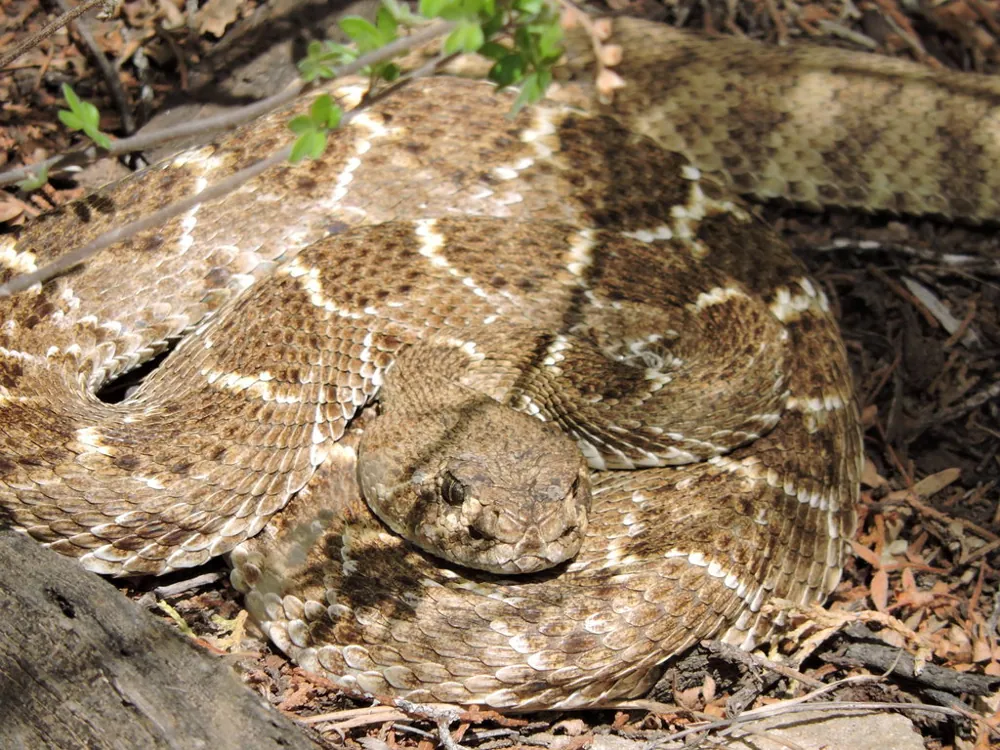
The western diamondback rattlesnake is a large, venomous pit viper that lives in the southwestern United States and the northern half of Mexico. It is thought to cause most snakebite deaths in northern Mexico and more snakebites in the United States than any other snake. Its diamond-shaped back markings and loud rattle make it easier to recognise, but it should always be given plenty of space.1



 Jinsi ya kumtambua
- Usually khaki in colour, though it may also be pinkish, brick red, yellowish blonde or white.1
- A row of 23 to 45 brown or dark umber blotches runs along the back, becoming diamond-shaped towards the middle of the body.1
- The tail has two to eight black bands, usually four to six, separated by white or grey.1
- A grey or umber stripe runs diagonally from the eye across the side of the head, usually edged below by a white stripe.1
Mara nyingi huchanganywa na: The Mojave rattlesnake also has banded tail rings, but its black rings are narrow compared with the pale ones. The timber rattlesnake has no tail rings, and the black-tailed rattlesnake has a uniform black tail or indistinct rings.1
Nguvu ya sumu
Sumu hutoka kupitia meno yake ya sumu au meno anapouma.
Sumu yake hufanya nini?
Its venom is mainly hemotoxic, which means it mainly damages blood vessels, blood cells and the heart. It contains enzymes that break down tissue, along with cytotoxins and myotoxins that destroy cells and muscle. Local effects include pain, heavy internal bleeding, severe swelling, muscle damage, bruising, blistering and tissue death, and general effects may include headache, nausea and vomiting.1
Ana hatari gani kwa watu?
Hatari kwa watu: Hatari sanaAnaweza kumuua mtu asiyepata matibabu.It is thought to be responsible for most snakebite deaths in northern Mexico and for the greatest number of snakebites in the United States. It can deliver a large amount of venom in one bite.1
Hufanya nini akiogopa?
When threatened it usually coils and rattles to warn off attackers, and it is unusually willing to stand its ground. If rattling does not work, it will strike.1
 Akiuma
- Mweke mtu bila kutikisika na mtulivu, weka kiungo kilichoumwa usawa wa moyo, ondoa pete na vitu vinavyobana, na umpeleke hospitali haraka.
Daima piga namba ya dharura kwanza (112, 000, 911). Huu ni mwongozo wa jumla wa huduma ya kwanza, si ushauri wa kitabibu. Misingi ya huduma ya kwanza
 Kaa salama
- Kamwe usimguse, kumkamata wala kumchokoza mnyama wa porini, hata akiwa mdogo, na hata akionekana amelala au amekufa.
- Mpe nafasi. Ukikutana naye, tulia, rudi nyuma polepole na umwache aende zake.
- Akikuuma: tulia, usitikisike, piga namba yako ya dharura (112, 000, 911) au nenda hospitali haraka. Kumbuka alivyoonekana, picha husaidia.
Hakuwindi wewe. Hutumia sumu yake kukamata chakula au kujilinda, na hupendelea zaidi kujificha. Zaidi kuhusu kukaa salama
Ana ukubwa gani?
Ana urefu gani?
Ana uzito gani?
 urefu sawa na paka wa nyumbani 4 kutoka pua hadi mkia
 urefu sawa na ndizi 12 zilizopangwa mstarikaribu uzito sawa na paka wa nyumbani
 angeweza kukimbia mita 100 kwa sekunde 92 (binadamu mwenye kasi zaidi anahitaji 9.6)
Western diamondback rattlesnake ana ukubwa gani ukilinganisha na WEWE?
Ni hesabu tu kwenye kivinjari chako. Hakuna kinachohifadhiwa wala kutumwa popote.
Ana kasi gani?


Ukweli
It can go up to two years without food in the wild. In a starvation study, snakes cut their energy use by an average of 80% and still grew, as they put resources into muscle and bone.1
A juvenile was once found dead after trying to swallow a horned lizard, whose horns punctured its gullet.1
It is likely the second largest rattlesnake species, behind only its close relative the eastern diamondback rattlesnake.1
It is one of the few snake species that scavenges for food.1
Among rattlesnakes, it may be the most adaptable to towns and suburbs, and it thrives deep within developed areas.1
It is an important predator of small rodents, rabbits and birds, and it is itself eaten by coyotes, foxes, hawks and owls.1
Ukweli unatoka wapi
- Western diamondback rattlesnake (Wikipedia (CC BY-SA 4.0))
- Crotalus atrox (iNaturalist): majina na uainishaji.
- Venom Wiki: kiwango cha hatari, ukubwa wa kawaida na makadirio ya kasi ni yetu wenyewe. Ona jinsi tunavyovipata: Jinsi tunavyopima hatari.
Kila ukweli kwenye ukurasa huu una namba inayoonyesha chanzo chake. Kama tumekosea kitu, samahani, sisi ni wapenzi wa wanyama, si jarida la kisayansi. Tuambie kupitia [email protected] nasi tutarekebisha.
 Nge ana njaa! Venom Wiki ni mradi wa mtu mmoja: bure, bila matangazo na bila vifuatiliaji. Mchango mdogo husaidia kuiweka hewani.Mlishe nge
 Eastern diamondback rattlesnake
 Timber rattlesnake
 Sidewinder
 Mojave rattlesnake
 Aruba rattlesnake
 Black-tailed rattlesnake
 Terciopelo
 Eastern coral snake
 Eyelash viper
 Arizona bark scorpion
 Brown recluse
 Cane toad