
 แอฟริกา
 เอเชีย
 ยุโรป
ยุโรป อเมริกาใต้
 ออสเตรเลียและโอเชียเนีย
 แอนตาร์กติกา
 มหาสมุทรแปซิฟิก
 มหาสมุทรแอตแลนติก
 มหาสมุทรอินเดีย
 มหาสมุทรอาร์กติก
 ทะเลเมดิเตอร์เรเนียน
 ทะเลแดง
 ทะเลแคริบเบียน
 ทะเลคอรัล
 ทะเลจีนใต้
 ทะเลฟิลิปปิน
 ทะเลอันดามัน
 ทะเลเหนือ
 ทะเลติมอร์และอาราฟูรา
 อ่าวเบงกอล
 อ่าวแคลิฟอร์เนีย
Variable harlequin toad
 พิษอยู่ในผิว
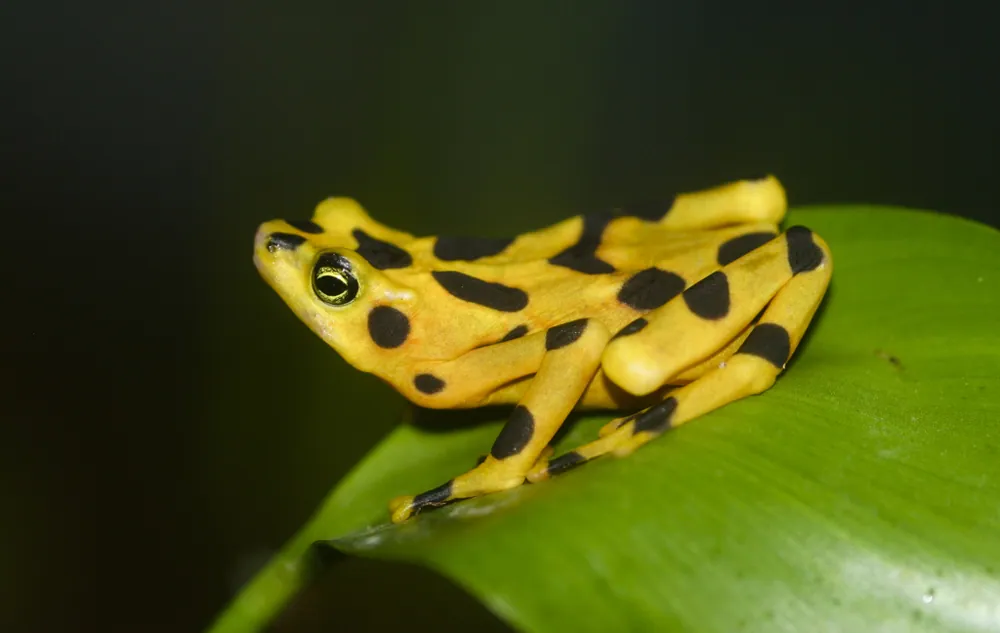
The variable harlequin toad is a small, brightly coloured toad from the forests of Central America. It lives on rocks and in crevices beside streams. It is critically endangered, which means it is at very high risk of disappearing from the wild.1
 วิธีสังเกต
พลังพิษ
ผิวของมันมีพิษ จับ เลีย หรือกินล้วนอันตราย
พิษของมันทำอะไร?
This animal is poisonous rather than venomous, so it does not bite or sting. Its skin contains tetrodotoxin, a potent neurotoxin (a poison that attacks the nerves).1
อันตรายต่อคนแค่ไหน?
อันตรายต่อคน: เจ็บปวดอาจเจ็บมาก แต่แทบไม่เคยรุนแรงมันทำอะไรเมื่อตกใจ?
Its bright, conspicuous colours warn predators that its skin is toxic.1
 ถ้ามีคนจับหรือกินมัน
- ถ้ามีคนจับมัน: ล้างมือให้สะอาดและอย่าแตะตาหรือปาก ถ้าเด็กหรือสัตว์เลี้ยงเลียหรือกินมัน: โทรศูนย์พิษวิทยาหรือเบอร์ฉุกเฉิน
โทรหาเบอร์ฉุกเฉินก่อนเสมอ (112, 000, 911) นี่คือคำแนะนำการปฐมพยาบาลทั่วไป ไม่ใช่คำแนะนำทางการแพทย์ พื้นฐานการปฐมพยาบาล
 ปลอดภัยไว้
- อย่าจับ อย่าไล่จับ อย่าแหย่สัตว์ป่าเด็ดขาด แม้ตัวเล็ก และแม้ดูเหมือนหลับหรือตายแล้ว
- เว้นระยะให้มัน ถ้าเจอ ใจเย็น ๆ ค่อย ๆ ถอยออกมา แล้วปล่อยให้มันไปตามทางของมัน
- ถ้าเธอจับหรือกินมัน: อย่าขยี้ตาหรือปาก ล้างมือ และไปพบแพทย์
มันไม่ได้ตั้งใจมาทำร้ายเธอ พิษของมันมีไว้แค่เพื่อไม่ให้ใครกินมัน เพิ่มเติมเรื่องความปลอดภัย
อยู่ที่ไหนในโลก?
ตัวใหญ่แค่ไหน?
มันยาวแค่ไหน?
 ยาวประมาณคลิปหนีบกระดาษ
 วิ่ง 100 เมตรได้ใน 180 วินาที (คนที่เร็วที่สุดใช้ 9.6)
Variable harlequin toadตัวใหญ่แค่ไหนเมื่อเทียบกับเธอ?
แค่คำนวณในเบราว์เซอร์ของเธอ ไม่มีอะไรถูกบันทึกหรือส่งไปที่ไหน
มันเร็วแค่ไหน?


ข้อเท็จจริง
Its only known predator is a parasitic fly, Notochaeta bufonivora. The fly lays larvae on the frog's thigh, and the larvae burrow inside and eat the frog from within.1
A census between 1990 and 1992 near Monteverde, Costa Rica, found zero individuals where the population had once peaked at 751 adults.1
By 1996 it was believed to be extinct throughout Costa Rica, but a 2019 assessment found two subpopulations in the country.1
It was rediscovered near Quepos, Costa Rica, in 2003.1
The chytrid fungus Batrachochytrium dendrobatidis can spread between individuals through shed skin cells and harms the skin, which affects breathing and the balance of water and salts in the body.1
In March 2021 the species was bred in captivity outside Panama for the first time.1
ข้อมูลมาจากไหน
- Atelopus varius (Wikipedia (CC BY-SA 4.0))
- Atelopus varius (iNaturalist): ชื่อและการจำแนก
- Venom Wiki: ระดับอันตราย ขนาดทั่วไป และความเร็วโดยประมาณเป็นของเราเอง ดูวิธีที่เราคิดได้: เราประเมินอันตรายอย่างไร.
ข้อมูลทุกข้อในหน้านี้มีตัวเลขบอกแหล่งที่มา ถ้าเราผิดพลาด ขอโทษนะ เราเป็นคนรักสัตว์ ไม่ใช่วารสารวิทยาศาสตร์ บอกเราที่ [email protected] แล้วเราจะแก้ไข
 แมงป่องหิวแล้ว! Venom Wiki เป็นโปรเจกต์ของคนคนเดียว: ฟรี ไม่มีโฆษณา ไม่มีตัวติดตาม ทิปเล็ก ๆ ช่วยให้เว็บยังออนไลน์อยู่ให้อาหารแมงป่อง
เพิ่มเติมจากกลุ่มเดียวกัน: กบพิษ คางคก และซาลาแมนเดอร์น้ำ
 Cane toadกบพิษ คางคก และซาลาแมนเดอร์น้ำต้องไปหาหมอห้ามแตะ
 Strawberry poison-dart frogกบพิษ คางคก และซาลาแมนเดอร์น้ำแค่เจ็บห้ามแตะ
 California newtกบพิษ คางคก และซาลาแมนเดอร์น้ำฆ่าได้ห้ามแตะ
 Rough-skinned newtกบพิษ คางคก และซาลาแมนเดอร์น้ำฆ่าได้ห้ามแตะ
 Colorado River toadกบพิษ คางคก และซาลาแมนเดอร์น้ำต้องไปหาหมอห้ามแตะ
 Panamanian golden frogกบพิษ คางคก และซาลาแมนเดอร์น้ำต้องไปหาหมอห้ามแตะ
 Terciopelo
 Eastern coral snake
 Eastern diamondback rattlesnake
 Eyelash viper
 Timber rattlesnake
 Western diamondback rattlesnake