
 Afrika
 Osiyo
Osiyo Yevropa
 Janubiy Amerika
 Avstraliya va Okeaniya
 Antarktida
 Tinch okeani
 Atlantika okeani
 Hind okeani
 Shimoliy Muz okeani
 Oʻrta yer dengizi
 Qizil dengiz
 Karib dengizi
 Marjon dengizi
 Janubiy Xitoy dengizi
 Filippin dengizi
 Andaman dengizi
 Shimoliy dengiz
 Timor va Arafura dengizi
 Bengal koʻrfazi
 Kaliforniya koʻrfazi
Common lancehead
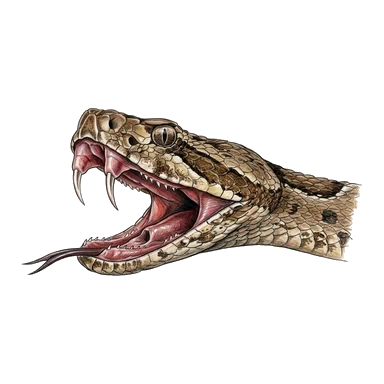 Chaqadi
The common lancehead is a highly venomous pit viper that lives in the tropical lowlands of northern South America and on the Caribbean island of Trinidad. It is one of the most common pit vipers in its range and is not endangered. Its venom disrupts blood clotting, which makes its bite especially serious.1
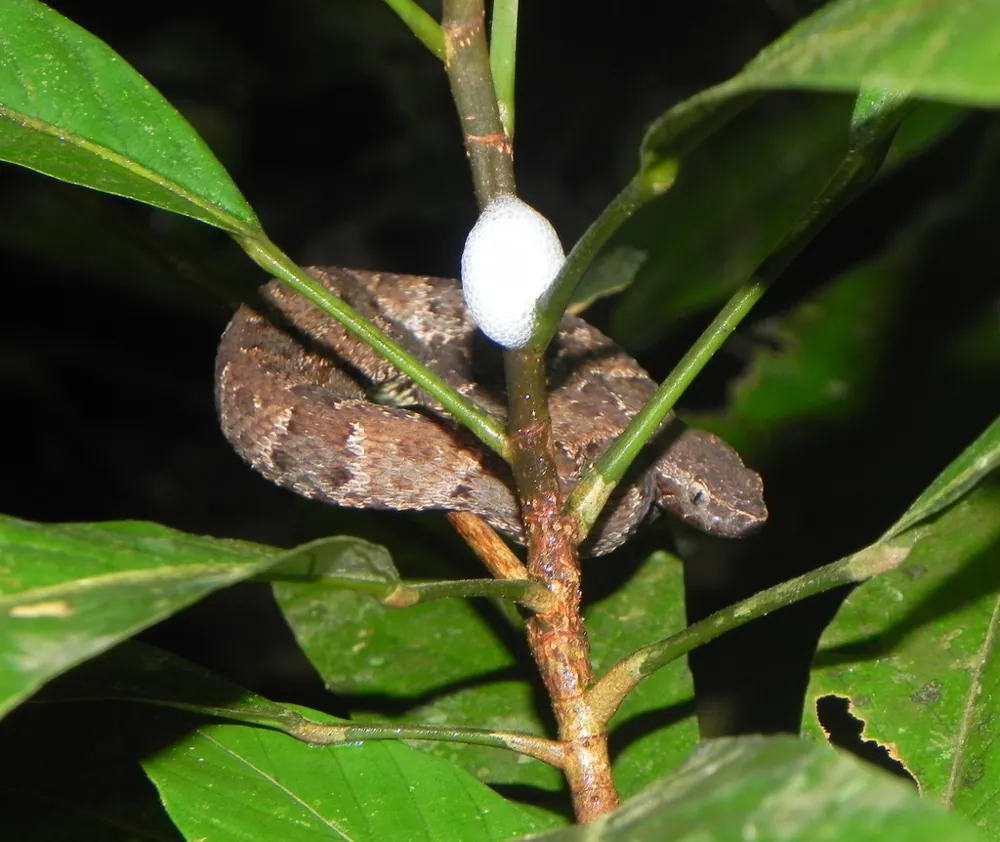
 Uni qanday tanish mumkin
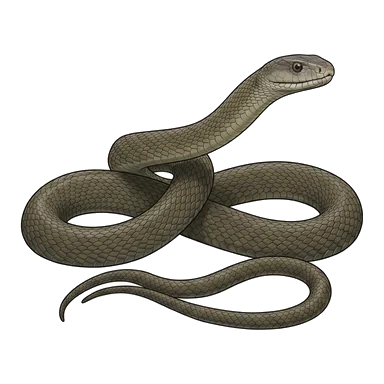
- Ground colour is olive, brown, tan, grey or yellow, and rarely rusty.1
- The body pattern is a series of blotches that often fuse into bands. The markings are X-like, which is why some local names refer to the letter X.1
- The chin is pale yellow, and a dark stripe runs from behind the eye to the corner of the mouth.1
- The irises are gold or bronze, and the tongue is black.1
- Adults usually measure 75 to 125 cm in total length and are moderately heavy-bodied.1
Koʻpincha adashtiriladi: It is often confused with Bothrops asper, which was once included in this species. Most authorities now consider B. asper to be a separate species. This confusion also makes reports of its maximum size unclear.1
Zahar quvvati
Chaqqanda zahar zaharli tishlari yoki tishlari orqali chiqadi.
Uning zahari (chaqsa yoki nish ursa) nima qiladi?
Its venom is haemorrhagic, meaning it damages the lining of blood vessels and uses up the substances that allow blood to clot. Symptoms can include severe bleeding, kidney failure, abnormal clotting, blisters and necrosis (death of body tissue). Bleeding in the brain can also occur. Recovery from the clotting problem has been seen 14 to 30 hours after a bite.1
Odamlar uchun qanchalik xavfli?
Odamlar uchun xavf: HalokatliDunyodagi eng xavfli hayvonlardan biri.The bite is serious and can be fatal. Plantation workers are often bitten. Juvenile snakes have more lethal venom that kills more quickly, and people bitten by young snakes are more likely to develop the clotting problem. In a case reported in the Brazilian Amazon, the patient died of a stroke even after antivenom was given. A Mexican polyvalent antivenom tested against it had no effect on the clotting problem.1
Qoʻrqqanda nima qiladi?
It is easily agitated, and it can lie camouflaged for hours, nearly undetectable, then strike at high speed.1
 Agar chaqsa
- Odamni qimirlamay va xotirjam tut, chaqilgan qoʻl yoki oyoqni yurak balandligida ushla, uzuk va siquvchi narsalarni yechib ol va tezda kasalxonaga olib bor.
Har doim avval favqulodda yordam raqamiga qoʻngʻiroq qil (112, 000, 911). Bu birinchi yordam boʻyicha umumiy maslahat, tibbiy maslahat emas. Birinchi yordam asoslari
 Xavfsiz boʻl
- Hech qachon yovvoyi hayvonga tegma, uni tutma yoki jigʻiga tegma, hatto kichkina boʻlsa ham va hatto uxlayotgan yoki oʻlik koʻrinsa ham.
- Unga joy ber. Agar duch kelsang, xotirjam boʻl, sekin orqaga chekin va uni oʻz yoʻliga ketishiga qoʻy.
- Agar biri seni chaqsa: xotirjam boʻl, qimirlamay tur, favqulodda yordam raqamiga qoʻngʻiroq qil (112, 000, 911) yoki tezda kasalxonaga yet. U qanday koʻrinishda ekanini eslab qol, surat yordam beradi.
U seni ovlamoqchi emas. Zaharini ovqat tutish yoki oʻzini himoya qilish uchun ishlatadi va yashirinishni ancha afzal koʻradi. Xavfsiz qolish haqida batafsil
Dunyoning qayerida?
U qanchalik katta?
U qanchalik uzun?
 burnidan dumigacha tizilgan 3 ta uy mushugidek uzun
 ketma-ket qoʻyilgan 9 ta banandek uzun
 100 metrni 92 soniyada bosib oʻtishi mumkin (eng tez odamga 9,6 soniya kerak)
Common lancehead SEN bilan solishtirganda qanchalik katta?
Faqat brauzeringdagi hisob-kitob. Hech narsa saqlanmaydi va hech qayerga yuborilmaydi.
U qanchalik tez?


Faktlar
An enzyme called reptilase, or batroxobin, is taken from its venom and used in modern medical laboratories to measure fibrinogen levels and blood clotting. The enzyme is not affected by heparin.1
Although it is mostly terrestrial, it is an excellent swimmer and will climb trees when needed to reach prey.1
Females with developing embryos move in and out of sunlight to keep themselves and the embryos at a constant temperature.1
Venom yield averages 124 milligrams, but can reach 342 milligrams.1
Despite the large-scale destruction of rainforests, it is among the most numerous and common of pit vipers.1
Zahar mutaxassislari uchun
- Ilmiy nomi
- Bothrops atrox
- Guruh
- Chuqurboshli ilonlar
- Oila
- Viperidae2
- Tartib
- Squamata
- Qitʼalar
- Janubiy Amerika
- Chaqaloqlar
- It gives birth to live young, up to 80 at once, with an average of about 60 per litter in equatorial regions after a gestation of three to four months.1
- Tabiatda ahvoli qanday
- Not endangered1
- Odamlar uchun xavf
- 5 / 5: Halokatli3
Faktlar qayerdan olingan
- Bothrops atrox (Wikipedia (CC BY-SA 4.0))
- Bothrops atrox (iNaturalist): nomlar va tasnif.
- Venom Wiki: xavf darajasi, odatiy oʻlcham va taxminiy tezlik bizning oʻz baholarimiz. Ularni qanday hisoblashimizni koʻr: Xavfni qanday baholaymiz.
Bu sahifadagi har bir faktning manbasiga ishora qiluvchi raqami bor. Agar biror narsani xato yozgan boʻlsak, kechir, biz hayvon ixlosmandlarimiz, ilmiy jurnal emas. [email protected] manziliga yoz, tuzatamiz.
 Chayon och! Venom Wiki bir kishining loyihasi: bepul, reklamasiz va kuzatuvchilarsiz. Kichik xayriya uni internetda saqlab qolishga yordam beradi.Chayonni boq
Shu guruhdan yana: Chuqurboshli ilonlar
 Terciopelo
 Eyelash viper
 Golden lancehead
 South American bushmaster
 Jararaca
 Jararacussu
Yana shu yerlarda yashaydi: Janubiy Amerika
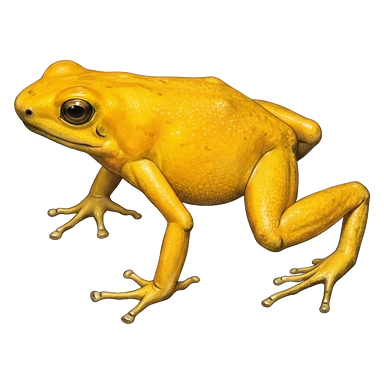
 Golden poison frogZaharli qurbaqalar, baqalar va tritonlarHalokatliTegma
 Brazilian wandering spiderOʻrgimchaklarOʻldirishi mumkin
 Cane toadZaharli qurbaqalar, baqalar va tritonlarShifokor kerakTegma
 Peruvian giant centipedeQirqoyoqlarShifokor kerak
 Bullet antChumolilarFaqat ogʻritadi
 Common vampire batZaharli sutemizuvchilarFaqat ogʻritadi