
 Áfíríkà
 Éṣíà
Éṣíà Yúróòpù
 Gúúsù Amẹ́ríkà
 Ọsirélíà àti Òṣéáníà
 Antáktíkà
 Òkun Pàsífíìkì
 Òkun Àtìláńtíìkì
 Òkun Íńdíà
 Òkun Áktíkì
 Òkun Mẹditaréníà
 Òkun Pupa
 Òkun Káríbíànù
 Òkun Coral
 Òkun Gúúsù Ṣáínà
 Òkun Fílípínì
 Òkun Andaman
 Òkun Àríwá
 Òkun Tímọ̀ àti Òkun Àráfúrà
 Ìyawọlẹ̀ Òkun Bẹ̀ngál
 Ìyawọlẹ̀ Òkun Kalifọ́níà
Brown bullhead
 Ẹ̀gún olóró
The brown bullhead is a catfish with a sharp, venomous spine on its fins. It lives in lakes, ponds and slow streams across North America, and it is important to the Ojibwe people, who see it as one of their clan symbols.1



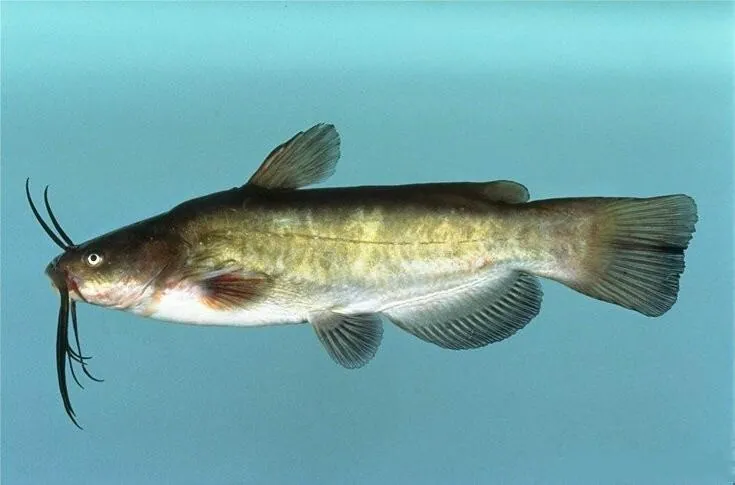
 Bí o ṣe lè dá a mọ̀
- Dark brown-green back that becomes lighter green and yellow towards the belly, which is off-white or cream1
- Dark brown-black speckles over the whole body1
- No scales1
- Eight barbels (whisker-like feelers) around the mouth, with black to yellowish brown barbels on the chin1
- Adults usually measure 20 to 50 cm and weigh 0.5 to 3.6 kg1
A sábà máa ń ṣì í mọ̀ sí: The black bullhead and yellow bullhead are similar. The brown bullhead has yellow-black chin barbels, no pale bar at the base of the tail (which the black bullhead has), and 21 to 24 rays in its anal fin. The flathead catfish lacks the brown bullhead's tooth patch on the upper jaw.1
Agbára oró
Ẹ̀gún mímú ló ń gbé oró náà. Títẹ̀ ẹ́ mọ́lẹ̀ tàbí dídì í mú máa ń dunni.
Kí ni oró rẹ̀ máa ń ṣe?
When attacked, the bullhead stiffens the sharp spine on the front edge of its dorsal and pectoral fins. While doing this, it releases venom that stings and burns the predator.1
Báwo ló ṣe léwu tó fún ènìyàn?
Ewu fún ènìyàn: Ó ń dunniÓ lè dunni gan-an, ṣùgbọ́n kì í fẹ́rẹ̀ẹ́ le rárá.Its fin spines can sting and burn, which is its main defence against predators. Treat any caught fish with care and avoid handling its spines.1
Kí ni ó máa ń ṣe nígbà tí ẹ̀rù bá bà á?
When attacked, it stiffens its fin spines to make it harder for a predator to swallow it, and releases venom to sting and burn.1
 Bí ẹ̀gún rẹ̀ bá gún ọ
- Fi ọgbẹ́ náà sínú omi gbígbóná, tó gbóná tó bí ẹni náà ṣe lè fara dà á láìjóná (fi ọwọ́ ara rẹ dán an wò), fún ìṣẹ́jú 30 sí 90. Wá ìrànlọ́wọ́ ìṣègùn, pàápàá fún ẹja òkúta àti stingray.
Máa kọ́kọ́ pe nọ́ńbà pàjáwìrì rẹ nígbà gbogbo (112, 000, 911). Èyí jẹ́ ìtọ́sọ́nà ìtọ́jú àkọ́kọ́ gbogbogbò, kì í ṣe ìmọ̀ràn ìṣègùn. Ìpìlẹ̀ ìtọ́jú àkọ́kọ́
 Wà láìléwu
- Má ṣe fọwọ́ kan, mú tàbí yọ ẹranko igbó lẹ́nu láéláé, kódà bí ó bá kéré, kódà bí ó bá dà bí ẹni pé ó ń sùn tàbí ó ti kú.
- Fún un ní àyè. Bí o bá pàdé ọ̀kan, farabalẹ̀, sẹ́yìn díẹ̀díẹ̀ kí o sì jẹ́ kí ó máa bá ọ̀nà rẹ̀ lọ.
- Bí ẹ̀gún rẹ̀ bá gún ọ: farabalẹ̀, má ṣe mira, pe nọ́ńbà pàjáwìrì rẹ (112, 000, 911) tàbí lọ sí ilé ìwòsàn kíákíá. Rántí bí ó ṣe rí, fọ́tò máa ń ṣèrànwọ́.
Kò wá ọ kiri láti ṣe ọ́ léṣe. Ó ń lo oró rẹ̀ láti mú oúnjẹ tàbí láti dáàbò bo ara rẹ̀, ó sì fẹ́ràn láti farapamọ́ jù. Sí i nípa wíwà láìléwu
Báwo ló ṣe tóbi tó?
Báwo ló ṣe gùn tó?
Báwo ló ṣe wúwo tó?
 ó gùn tó ọ̀gẹ̀dẹ̀ 3 tí a tò tẹ̀léra
 ó gùn tó bíríkì ìṣeré 17 tí a tò sí ìlà kan
 ó wúwo tó ológbò ilé
 lè lúwẹ̀ẹ́ gígùn adágún ìwẹ̀ ńlá (50 m) ní ìṣẹ́jú-àáyá 30
Báwo ni Brown bullhead ṣe tóbi tó tí a bá fi wé ÌWỌ?
Ìṣirò nìkan nínú bráwúsà rẹ. A kò fi ohunkóhun pamọ́, a kò sì fi ránṣẹ́ sí ibikíbi.
Báwo ló ṣe yára tó?
Òtítọ́
It can survive very low oxygen levels, down to 0.2 ppm, and even heavily polluted water.1
Its spines can produce venom, which is unusual for a catfish species that is otherwise common and widely eaten.1
The brown bullhead is one of six beings in Ojibwe tradition that came out of the sea to form the original clans.1
Both males and females are known to eat their own eggs at times.1
Fún àwọn amòye oró
- Orúkọ sáyẹ́ǹsì
- Ameiurus nebulosus
- Ẹgbẹ́
- Ẹja olóró
- Ìdílé
- Ictaluridae2
- Ètò
- Siluriformes
- Àwọn kọ́ńtínẹ́ńtì
- Àríwá Amẹ́ríkà
- Àwọn ọmọ
- The female lays eggs in dark places, such as under rocks or inside logs, and clusters can hold 50 to 10,000 eggs. The eggs usually hatch in six days, and parents look after the young for about five more days.1
- Ọjọ́ ayé
- nǹkan bí ọdún 81
- Bí ó ṣe ń ṣe nínú igbó
- No special status under the IUCN, the US Endangered Species Program or CITES. It is a Species of Conservation Concern in Missouri.1
- Ewu fún ènìyàn
- 2 / 5: Ó ń dunni3
Ibi tí àwọn òtítọ́ ti wá
- Brown bullhead (Wikipedia (CC BY-SA 4.0))
- Ameiurus nebulosus (iNaturalist): orúkọ àti ìpínsísọ̀rí.
- Venom Wiki: ìpele ewu, ìtóbi déédé àti àfojúbù ìyára jẹ́ tiwa. Wo bí a ṣe ń ṣírò wọn: Bí a ṣe ń díwọ̀n ewu.
Gbogbo òtítọ́ ojú-ìwé yìí ní nọ́ńbà tó tọ́ka sí orísun rẹ̀. Bí a bá ṣe àṣìṣe, má bínú, olólùfẹ́ ẹranko ni wá, kì í ṣe ìwé ìròyìn sáyẹ́ǹsì. Sọ fún wa ní [email protected] a ó sì tún un ṣe.
 Ebi ń pa àkekèé! Iṣẹ́ akanṣe ẹnì kan ṣoṣo ni Venom Wiki: ọ̀fẹ́ ni, kò sí ìpolówó, kò sì sí olùtọpinpin. Ẹ̀bùn kékeré ń ràn án lọ́wọ́ láti wà lórí íńtánẹ́ẹ̀tì.Bọ́ àkekèé
Sí i láti inú ẹgbẹ́ kan náà: Ẹja olóró
 Channel catfishẸja olóróÓ kàn ń dunniMá ṣe fọwọ́ kàn án
 Carolina madtomẸja olóróÓ kàn ń dunniMá ṣe fọwọ́ kàn án
 Margined madtomẸja olóróÓ kàn ń dunniMá ṣe fọwọ́ kàn án
 StonecatẸja olóróÓ kàn ń dunniMá ṣe fọwọ́ kàn án
 Tadpole madtomẸja olóróÓ kàn ń dunniMá ṣe fọwọ́ kàn án
 Reef stonefishẸja olóróÓ lè paniMá ṣe fọwọ́ kàn án
 Terciopelo
 Eastern coral snake
 Eastern diamondback rattlesnake
 Eyelash viper
 Timber rattlesnake
 Western diamondback rattlesnake