
 Áfíríkà
 Éṣíà
Éṣíà Yúróòpù
 Gúúsù Amẹ́ríkà
 Ọsirélíà àti Òṣéáníà
 Antáktíkà
 Òkun Pàsífíìkì
 Òkun Àtìláńtíìkì
 Òkun Íńdíà
 Òkun Áktíkì
 Òkun Mẹditaréníà
 Òkun Pupa
 Òkun Káríbíànù
 Òkun Coral
 Òkun Gúúsù Ṣáínà
 Òkun Fílípínì
 Òkun Andaman
 Òkun Àríwá
 Òkun Tímọ̀ àti Òkun Àráfúrà
 Ìyawọlẹ̀ Òkun Bẹ̀ngál
 Ìyawọlẹ̀ Òkun Kalifọ́níà
Curlyhair tarantula
 Ìbùjẹ
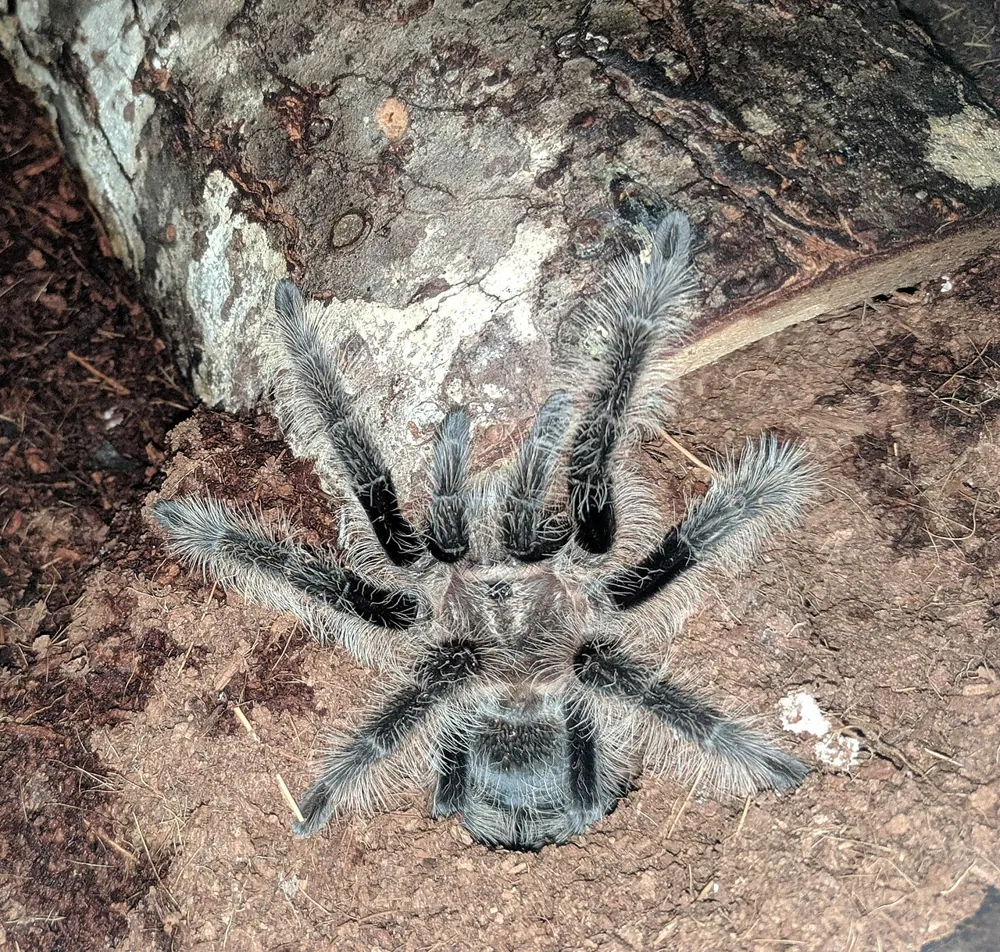
ÌbùjẹThe curlyhair tarantula is a plump, hairy spider whose bristles curl, which gives it a unique look. It lives in tropical scrubland in Costa Rica, often burrowing near large trees, rivers or patches of cleared rainforest. It is a popular pet and is widely bred in captivity.1

 Bí o ṣe lè dá a mọ̀
- A plump-bodied spider covered in dark brown to black bristles.1
- Its bristles start light as a juvenile and darken as it ages.1
- Longer gold bristles give it a golden-bronze sheen, especially dense on the hind legs.1
- The bristles have a distinctive curl.1
- Males are often a lighter bronze colour than females.1
Agbára oró
Oró ń jáde láti inú eyín oró tàbí eyín rẹ̀ nígbà tí ó bá bùjẹ.
Kí ni oró rẹ̀ máa ń ṣe?
Its venom is delivered through two hollow fangs and has two purposes. It paralyses the prey and begins digesting it. The spider then sucks up the proteins and fats, leaving only a small ball of undigested body parts.1
Báwo ló ṣe léwu tó fún ènìyàn?
Ewu fún ènìyàn: Fúyẹ́Bí ìtani oyin tàbí kò tó bẹ́ẹ̀. Kò fẹ́rẹ̀ẹ́ léwu fún ènìyàn.This tarantula is usually docile. When threatened, it kicks hairs off its abdomen, which can cause a rash on the skin, and if they hit a predator's eyes they can cause blindness.1
Kí ni ó máa ń ṣe nígbà tí ẹ̀rù bá bà á?
When threatened, it kicks hairs off its abdomen with its hind legs.1
 Bí ó bá bùjẹ
- Fọ ibi ìbùjẹ náà kí o sì tù ú. Wá ìrànlọ́wọ́ ìṣègùn bí ìrora bá le tàbí tí ara ẹni náà kò bá yá.
Máa kọ́kọ́ pe nọ́ńbà pàjáwìrì rẹ nígbà gbogbo (112, 000, 911). Èyí jẹ́ ìtọ́sọ́nà ìtọ́jú àkọ́kọ́ gbogbogbò, kì í ṣe ìmọ̀ràn ìṣègùn. Ìpìlẹ̀ ìtọ́jú àkọ́kọ́
 Wà láìléwu
- Má ṣe fọwọ́ kan, mú tàbí yọ ẹranko igbó lẹ́nu láéláé, kódà bí ó bá kéré, kódà bí ó bá dà bí ẹni pé ó ń sùn tàbí ó ti kú.
- Fún un ní àyè. Bí o bá pàdé ọ̀kan, farabalẹ̀, sẹ́yìn díẹ̀díẹ̀ kí o sì jẹ́ kí ó máa bá ọ̀nà rẹ̀ lọ.
- Bí ọ̀kan bá bù ọ́ jẹ: farabalẹ̀, má ṣe mira, pe nọ́ńbà pàjáwìrì rẹ (112, 000, 911) tàbí lọ sí ilé ìwòsàn kíákíá. Rántí bí ó ṣe rí, fọ́tò máa ń ṣèrànwọ́.
Kò wá ọ kiri láti ṣe ọ́ léṣe. Ó ń lo oró rẹ̀ láti mú oúnjẹ tàbí láti dáàbò bo ara rẹ̀, ó sì fẹ́ràn láti farapamọ́ jù. Sí i nípa wíwà láìléwu
Báwo ló ṣe tóbi tó?
Báwo ló ṣe gùn tó?
 ó gùn tó bíríkì ìṣeré 5 tí a tò sí ìlà kan
 lè sáré mítà 100 ní ìṣẹ́jú-àáyá 210 (ènìyàn tó yára jùlọ nílò 9.6)
Báwo ni Curlyhair tarantula ṣe tóbi tó tí a bá fi wé ÌWỌ?
Ìṣirò nìkan nínú bráwúsà rẹ. A kò fi ohunkóhun pamọ́, a kò sì fi ránṣẹ́ sí ibikíbi.
Báwo ló ṣe yára tó?


Òtítọ́
Its venom starts digestion before the spider even eats the prey.1
Females may attack and try to eat males that approach them when they are not ready to mate.1
In captivity, females have been reported to live up to 20 years, while males live only about 5 years.1
Captive specimens have grown to a leg span of just over 6 inches (15 cm).1
Once captured in large numbers for the pet trade, it is now mostly bred in captivity and rarely caught in the wild.1
Fún àwọn amòye oró
- Orúkọ sáyẹ́ǹsì
- Tliltocatl albopilosus
- Ẹgbẹ́
- Tarantula àti funnel-web
- Ìdílé
- Theraphosidae2
- Ètò
- Araneae
- Àwọn kọ́ńtínẹ́ńtì
- Àríwá Amẹ́ríkà
- Àwọn ọmọ
- After mating, a female lays 300 to 500 eggs in an egg sac several weeks later. The egg sac is incubated for about seven to eight weeks, and pale young then emerge and cluster together before dispersing.1
- Ọjọ́ ayé
- nǹkan bí ọdún 201
- Bí ó ṣe ń ṣe nínú igbó
- Listed on CITES Appendix II, meaning international trade is controlled by quotas and trade permits1
- Ewu fún ènìyàn
- 1 / 5: Fúyẹ́3
Ibi tí àwọn òtítọ́ ti wá
- Tliltocatl albopilosus (Wikipedia (CC BY-SA 4.0))
- Tliltocatl albopilosus (iNaturalist): orúkọ àti ìpínsísọ̀rí.
- Venom Wiki: ìpele ewu, ìtóbi déédé àti àfojúbù ìyára jẹ́ tiwa. Wo bí a ṣe ń ṣírò wọn: Bí a ṣe ń díwọ̀n ewu.
Gbogbo òtítọ́ ojú-ìwé yìí ní nọ́ńbà tó tọ́ka sí orísun rẹ̀. Bí a bá ṣe àṣìṣe, má bínú, olólùfẹ́ ẹranko ni wá, kì í ṣe ìwé ìròyìn sáyẹ́ǹsì. Sọ fún wa ní [email protected] a ó sì tún un ṣe.
 Ebi ń pa àkekèé! Iṣẹ́ akanṣe ẹnì kan ṣoṣo ni Venom Wiki: ọ̀fẹ́ ni, kò sí ìpolówó, kò sì sí olùtọpinpin. Ẹ̀bùn kékeré ń ràn án lọ́wọ́ láti wà lórí íńtánẹ́ẹ̀tì.Bọ́ àkekèé
Sí i láti inú ẹgbẹ́ kan náà: Tarantula àti funnel-web
 Mexican redknee tarantulaTarantula àti funnel-webAláìléwu
 Arizona blond tarantulaTarantula àti funnel-webAláìléwu
 Ravine trapdoor spiderTarantula àti funnel-webAláìléwu
 Trinidad chevron tarantulaTarantula àti funnel-webÓ kàn ń dunni
 Antilles pinktoe tarantulaTarantula àti funnel-webAláìléwu
 California trapdoor spiderTarantula àti funnel-webAláìléwu
 Terciopelo
 Eastern coral snake
 Eastern diamondback rattlesnake
 Eyelash viper
 Timber rattlesnake
 Western diamondback rattlesnake