
 Abibirem
 Asia
Asia Yuropu
 Amerika Anaafoɔ
 Australia ne Oceania
 Antarctica
 Pacific Po
 Atlantic Po
 India Po
 Arctic Po
 Mediterranean Po
 Po Kɔkɔɔ
 Caribbean Po
 Coral Po
 China Anaafoɔ Po
 Philippine Po
 Andaman Po
 Atifi Po
 Timor ne Arafura Po
 Bengal Ɛpo Ano
 California Ɛpo Ano
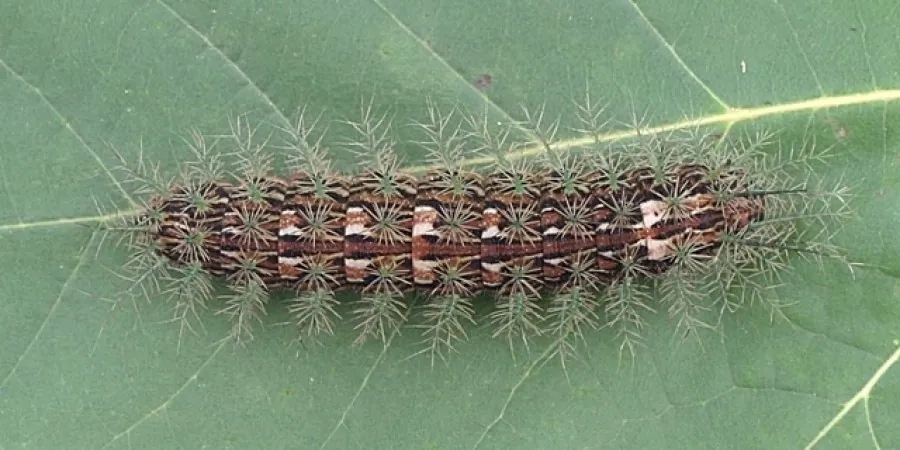
Giant silkworm moth caterpillar
 Nwi a ɛwɔ
This is the caterpillar of a large moth from South America, the giant silk moth. The caterpillar is famous for its venom, which is one of the most dangerous of any caterpillar. It lives in southern Brazil and nearby countries, and it has caused many deaths.1
 Sɛdeɛ wobɛhunu no
Bɔre ahoɔden
Nwi nketewa bubu hyɛ honam mu na ɛwɔ.
Ne bɔre yɛ dɛn?
The venom is held in sacs at the base of each spine and flows through the hollow spines into the wound. It causes disseminated intravascular coagulation, which stops the blood from clotting and leads to bleeding into the tissues and internal organs. After an initial phase of headache, fever, vomiting and malaise, a severe bleeding disorder can develop after about 24 hours.1
Ne asiane ma nnipa te sɛn?
Asiane ma nnipa: Asiane kɛseɛ womƐtumi kum onipa a wɔnhwɛ no yareɛ.The caterpillar has been responsible for at least 500 deaths. In Brazil, 42,264 accidents were recorded between 2007 and 2017, of which 248 were severe and five were fatal. The reported death rate is 2.5%. Most victims were male (63%), and 45% were between 0 and 21 years old.1
 Asɛmpa: dɔkotafoɔ wɔ aduro (antivenom) anaa ayaresa ma yei.1
Ɛyɛ dɛn bere a ehu aka no?
Its body is covered in hairs and spines that break off easily and inject venom into anything that touches them.1
 Sɛ wode wo nsa ka ne nwi a
- A study by Dr Robert Norris states that stings and abrasions should be treated with antifibrinolytics. If blood products are needed, they must be given with care so they do not worsen the bleeding. An antiserum made by the Butantan Institute in São Paulo reverses the clotting problems, and patients treated with it recover quickly.1
- Caterpillar nwi a ɛwɔ: fa sticky tape yi firi so, na afei hohoro honam no. Ntwitwi.
- Ka ho: hohoro na dwo. Hwehwɛ dɔkota mmoa sɛ onipa no ho ntɔ no anaa mogya tu no ntɛm a.
Di kan frɛ wo ahohiahia nɔma (112, 000, 911). Yei yɛ mmoa a ɛdi kan ho akwankyerɛ, ɛnyɛ dɔkota afotuo. Mmoa a ɛdi kan ho nsɛm titiriw
 Hwɛ wo ho so
- Mfa wo nsa nka wiram aboa biara, nkyere no na mfa no nni agorɔ, sɛ ɔyɛ ketewa mpo, na sɛ ɛte sɛ ɔrededa anaa wawu mpo a.
- Ma no kwan. Sɛ wohyia baako a, ma wo bo nnwo, san w'akyi brɛoo na ma ɔnkɔ ne kwan.
- Sɛ wode wo nsa ka ne nwi a: ma wo bo nnwo, tena dinn, frɛ wo ahohiahia nɔma (112, 000, 911) anaa kɔ ayaresabea ntɛm. Kae sɛdeɛ na ɛte, mfonini bɛboa.
Ɛnhwehwɛ wo sɛ ɛbɛpira wo. Ɛde ne bɔre kyere aduane anaa ɛbɔ ne ho ban, na ɛpɛ sɛ ɛhinta sene biribiara. Nsɛm pii fa ahobammɔ ho
Wiase mu baabi bɛn?
Ne kɛseɛ te sɛn?
Ne tenten te sɛn?
 ne tenten te sɛ agodeɛ blɔk 2 a wɔde to ntoatoasoɔ mu
 ɛyɛ brɛoo sen nwa a ɔte turom
Giant silkworm moth caterpillar kɛseɛ te sɛn sɛ wode toto WO ho a?
Akontabuo kɛkɛ wɔ wo browser mu. Wɔnkora hwee, na wɔmfa hwee nkɔ baabiara.
Ne ntɛm te sɛn?

Nsɛm
Guinness World Records lists it as the most venomous caterpillar in the world.1
Before studies of Lonomia caterpillars, it was not known that caterpillars could produce enough toxin to kill a person.1
Its venom contains anti-clotting agents that have been studied for possible medical uses, including a component called Lopap.1
The first known epidemic happened in an farming community in Rio Grande do Sul, where victims had only handled leafy branches before their symptoms began.1
Only two of the 26 Lonomia species found in the Americas, L. obliqua and L. achelous, have caused severe reactions.1
Atosɛm sɛefoɔ
Atosɛm: Caterpillars cannot produce toxins strong enough to kill a person.
Nokorɛ: This caterpillar's venom can kill. At least 500 deaths have been linked to it.1
Baabi a nsɛm no fi
- Lonomia obliqua (Wikipedia (CC BY-SA 4.0))
- Lonomia obliqua (iNaturalist): din ne nkyekyɛmu.
- Venom Wiki: asiane gyinabea, kɛseɛ a ɛtaa yɛ ne ntɛm susuo no yɛ yɛn ankasa deɛ. Hwɛ sɛdeɛ yɛbu no: Sɛdeɛ yɛkyerɛ asiane gyinabea.
Nsɛm biara a ɛwɔ kratafa yi so wɔ nɔma a ɛkyerɛ ne fibea. Sɛ yɛfom biribi a, kafra, yɛyɛ mmoa ho akɔnnɔfoɔ, ɛnyɛ nyansahu nwoma. Ka kyerɛ yɛn wɔ [email protected] na yɛbɛsiesie.
 Ɔkɔm de akekantwerɛ no! Onipa baako na ɔyɛ Venom Wiki: ɛyɛ kwa, dawurubɔ nni so na biribiara nni so a ɛdi w'akyi. Akyɛdeɛ ketewa bi boa ma ɛkɔ so tena internet so.Ma akekantwere no aduane
Pii fi kuo korɔ no mu: Caterpillar ne mmoawa
 Vinchuca kissing bugCaterpillar ne mmoawaƐhia dɔkota
 Venezuelan fire caterpillarCaterpillar ne mmoawaƐtumi kumMfa wo nsa nka
 Pararama caterpillarCaterpillar ne mmoawaƐhia dɔkotaMfa wo nsa nka
 Rhodnius kissing bugCaterpillar ne mmoawaƐhia dɔkota
 Yellowtail moth of the mangrovesCaterpillar ne mmoawaƐyɛ yaw kɛkɛMfa wo nsa nka
 Milkweed assassin bugCaterpillar ne mmoawaƐnni asiane
 Golden poison frog
 Terciopelo
 Brazilian wandering spider
 Eyelash viper
 Golden lancehead
 South American bushmaster