
 Афрыка
 Азія
Азія Еўропа
 Паўднёвая Амерыка
 Аўстралія і Акіянія
 Антарктыда
 Ціхі акіян
 Атлантычны акіян
 Індыйскі акіян
 Паўночны Ледавіты акіян
 Міжземнае мора
 Чырвонае мора
 Карыбскае мора
 Каралавае мора
 Паўднёва-Кітайскае мора
 Філіпінскае мора
 Андаманскае мора
 Паўночнае мора
 Тыморскае і Арафурскае моры
 Бенгальскі заліў
 Каліфарнійскі заліў
Pine processionary
 Пякучыя валаскі
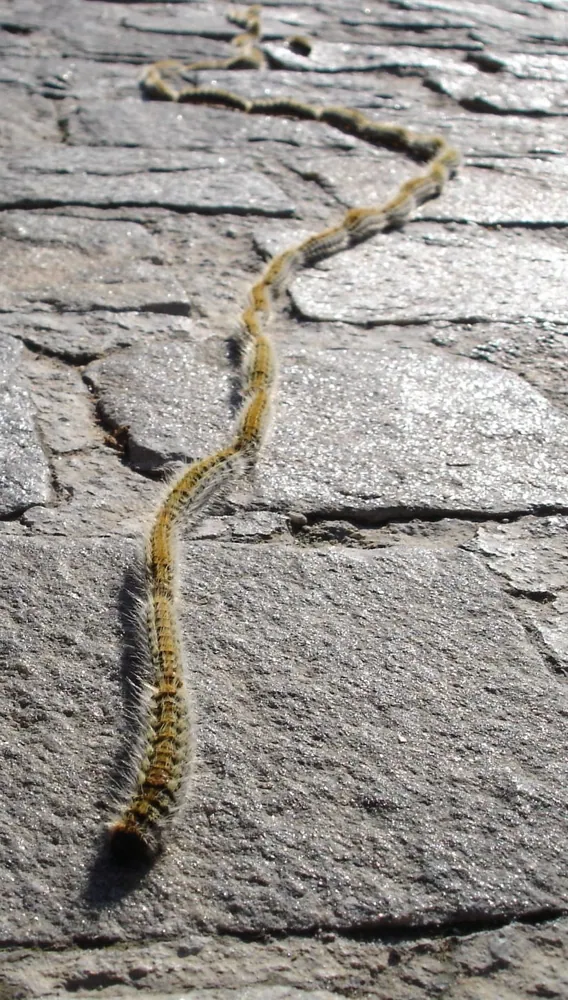
The pine processionary is a moth whose caterpillars are famous for marching in long, nose-to-tail lines through pine woods. Their hairs cause painful rashes and eye irritation, and they can strip the needles from whole trees. It lives around the Mediterranean and is spreading north.1
 Як яе пазнаць
- Caterpillars are orange-brown and hairy, with blue bands.1
- Large silken nests in pine trees, often with several in one tree and signs of stripped needles.1
- Caterpillars move in single-file processions, usually at night and when leaving the tree to pupate.1
- Adults have predominantly light brown forewings with brown markings and white hindwings.1
- Adult males have a crescent marking on the wings and are larger than the oak processionary.1
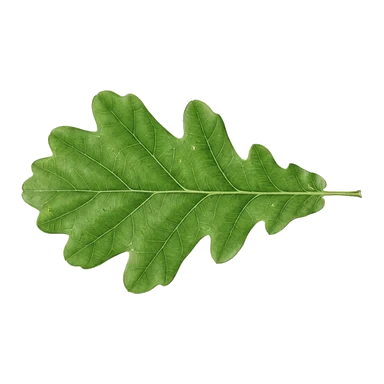
Часта блытаюць з: The oak processionary (Thaumetopoea processionea) is smaller as an adult, has an indistinct wing marking rather than a crescent, and lives in broad-leaved rather than coniferous forests. The pale eggar moth has no crescent marking on its wings.1
Сіла яду
Малюсенькія валаскі ці шчацінкі адломваюцца ў скуры і пякуць.
Што робіць яе яд?
The species is not venomous. Its caterpillars have hairs containing an irritant chemical called thaumetopoein, which causes skin rashes (urticaria) and eye irritation on contact. Some people may have an allergic reaction. The hairs of fifth-stage larvae can also break off and spread across nearby exposed skin.1
Наколькі яна небяспечная для людзей?
Небяспека для людзей: БалючаяМожа быць вельмі балюча, але амаль ніколі не бывае сур'ёзна.Simple contact with the caterpillar hairs can cause severe rashes and eye irritation in humans and other mammals. Some individuals may have an allergic reaction.1
Што яна робіць, калі напалохана?
When stressed or threatened, fifth-stage caterpillars eject harpoon-shaped hairs that irritate any exposed skin nearby.1
 Калі дакранешся да яе валаскоў
- Калі на скуру трапілі валаскі пякучай вусені: здымі іх ліпкай стужкай, потым прамый скуру. Не тры.
- Пры ўкусах: прамый і ахалодзі. Звяртайся па медыцынскую дапамогу, калі чалавеку блага або ў яго лёгка ідзе кроў.
Заўсёды спачатку тэлефануй на нумар экстраннай службы (112, 000, 911). Гэта агульныя парады па першай дапамозе, а не медыцынская кансультацыя. Асновы першай дапамогі
 Будзь у бяспецы
- Ніколі не чапай, не лаві і не дражні дзікую жывёлу, нават маленькую, і нават калі здаецца, што яна спіць ці мёртвая.
- Трымайся ад яе далей. Калі сустрэнеш такую жывёлу, захоўвай спакой, павольна адыдзі назад і дай ёй пайсці сваёй дарогай.
- Калі ты дакранешся да яе валаскоў: захоўвай спакой, не рухайся, тэлефануй на нумар экстраннай службы (112, 000, 911) або хутка дабірайся да бальніцы. Запомні, як яна выглядала, фота дапаможа.
Яна не палюе на цябе. Яд патрэбны ёй, каб лавіць ежу ці абараняцца, і яна з большай ахвотай схаваецца. Яшчэ пра бяспеку
Якога яна памеру?
Якой яна даўжыні?
 прыкладна як сашчэпка для паперы па даўжыні
 павольней за садовага слімака
Pine processionary і ТЫ: хто большы?
Проста матэматыка ў тваім браўзеры. Нічога не захоўваецца і нікуды не адпраўляецца.
Як хутка яна рухаецца?


Факты
Caterpillars in a procession hold together through touch from the caterpillar in front, which takes priority over the trail pheromone or silk.1
The caterpillars are one of the few temperate-zone insects whose larvae develop through the winter, living in silk nests high in pine trees.1
Adults live for only a single day, during which they mate and lay eggs.1
The Greek physician Dioscorides described the itching caused by this caterpillar in the 1st century AD, and Pliny the Elder recorded a treatment for it.1
Outbreaks are somewhat cyclical, with a period of 7 to 9 years.1
Разбуральнік міфаў
Міф: Fabre's caterpillars marched in a circle around a flower pot only because they were trapped on its rim.
Праўда: Young caterpillars' circular trails continue for as long as 12 hours even when they are free on a flat surface.1
Для знаўцаў яду
- Навуковая назва
- Thaumetopoea pityocampa
- Група
- Вусені і жучкі
- Сям'я
- Notodontidae2
- Парадак
- Lepidoptera
- Кантыненты
- Еўропа, Афрыка, Азія
- Дзіцяняты
- Each female lays an enormous number of eggs near the tops of pine trees, in cylindrical egg masses 4 to 5 cm long covered with scales that mimic pine shoots.1
- Небяспека для людзей
- 2 / 5: Балючая3
Адкуль узятыя факты
- Pine processionary (Wikipedia (CC BY-SA 4.0))
- Thaumetopoea pityocampa (iNaturalist): назвы і класіфікацыя.
- Venom Wiki: узровень небяспекі, звычайны памер і прыблізную хуткасць мы ацэньваем самі. Паглядзі, як мы гэта робім: Як мы ацэньваем небяспеку.
У кожнага факта на гэтай старонцы ёсць нумар, які вядзе да яго крыніцы. Калі мы недзе памыліліся, прабач, мы аматары жывёл, а не навуковы часопіс. Напішы нам на [email protected], і мы ўсё выправім.
 Скарпіён галодны! Venom Wiki робіць адзін чалавек: праект бясплатны, без рэкламы і без трэкераў. Невялікія чаявыя дапамагаюць яму працаваць далей.Пакармі скарпіёна
Яшчэ з гэтай групы: Вусені і жучкі
 Oak processionaryВусені і жучкіПроста балючаНе чапаць
 White-spotted assassin bugВусені і жучкіПроста балюча
 Common bombardier beetleВусені і жучкіБясшкодная
 Asian giant water bugВусені і жучкіПроста балюча
 Blue-striped nettle grubВусені і жучкіПроста балючаНе чапаць
 Brown-tail mothВусені і жучкіПроста балючаНе чапаць
Таксама жыве ў: Еўропа
 Common European adderГадзюкі і гадзюкавыя змеіПатрэбны лекар
 Spanish flyІншыя атрутныя жывёлыПатрэбны лекарНе чапаць
 Common waspПчолы, восы і шэршніПроста балюча
 European hornetПчолы, восы і шэршніПроста балюча
 Fire salamanderАтрутныя жабы, рапухі і трытоныПроста балючаНе чапаць
 Western honey beeПчолы, восы і шэршніПроста балюча