
 Bitten or stung?
 All animals
 Pick a continent
 Africa
 Asia
 Europe
 South America
 Australia & Oceania
 Antarctica
 Pacific Ocean
 Atlantic Ocean
 Indian Ocean
 Arctic Ocean
 Mediterranean Sea
 Red Sea
 Caribbean Sea
 Coral Sea
 South China Sea
 Philippine Sea
 Andaman Sea
 North Sea
 Timor & Arafura Sea
 Bay of Bengal
 Gulf of California
 Games
 Venom battle
 Animal race
 Field notebook
 Venom TOP lists
 Stay safe
 Surprise me

Armadillo wasp
 Stings
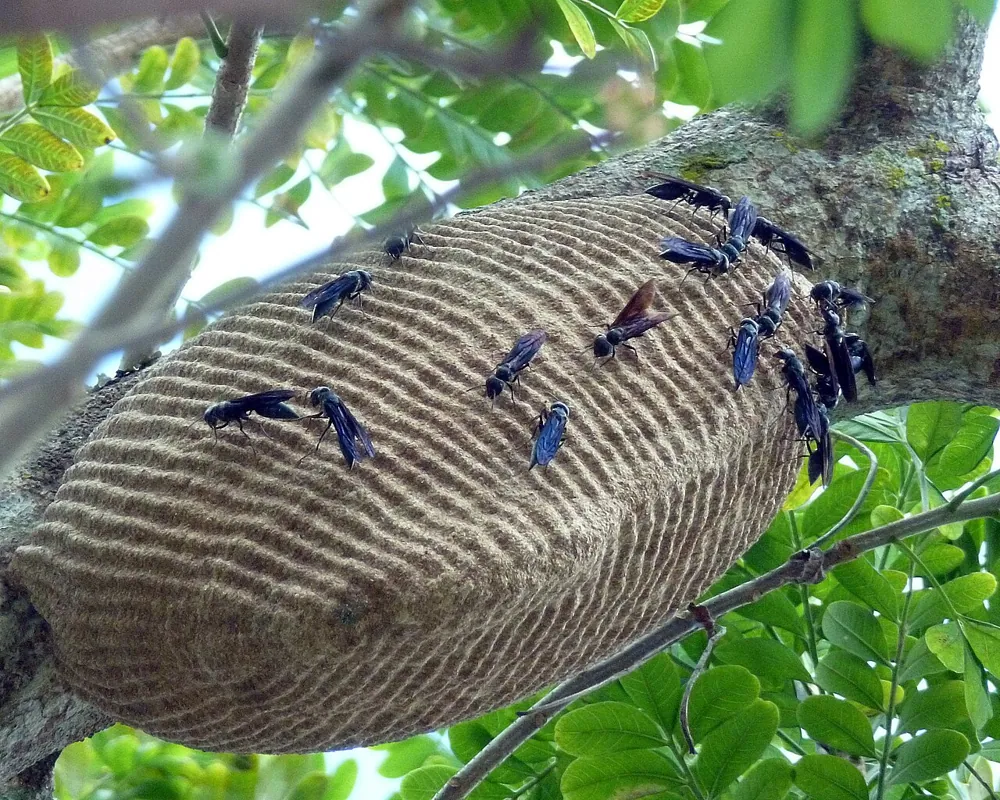
The armadillo wasp is a social wasp with a metallic blue-black body. It builds its nests on tree trunks in tropical South America. It is known for its painful sting, and it also visits flowers and helps pollinate plants.1
 How to recognise it
- Medium-sized wasp with a blueish-black body1
- Body can look metallic in certain light1
- Dark, almost black wings1
- Head has a projecting vertex (a raised ridge on the top of the head)1
- Less dense small markings (punctation) on the first abdominal segment than S. chalibea and S. virginea1
Often confused with: Other Synoeca wasps, especially its sister species S. cyanea and S. septentrionalis, which also have less punctation on the first abdominal segment. S. chalibea and S. virginea have denser punctation on that segment, so this is one way to tell them apart.1
Venom power
Venom comes out through a stinger.
What does its venom do?
Its sting injects serotonin, a chemical also known as a neurotransmitter. Serotonin is a vasoconstrictor, meaning it narrows blood vessels, which could potentially be lethal to small animals. In people, it causes severe pain.1
How dangerous is it to people?
Danger to people: PainfulIt can really hurt, but it is almost never serious.Its sting is painful. The wasp only stings in defence, not to attack. Stings can leave the wasp's barbed stinger in the skin, and the wasp dies afterwards.1
What does it do when it is scared?
When a colony is threatened, workers perform buzzing runs, shaking from side to side and contacting other members, which warns the colony to swarm. Individual wasps may also sting, and the stinger stays in the victim.1
 If it stings
Call your emergency number at once if the person has trouble breathing, swelling of the face or throat, or feels faint.
- Walk away from the nest quickly. If the stinger is left in the skin, scrape it out sideways with a fingernail or card. Wash the sting and use a cold pack for pain and swelling. Call the emergency number if there are many stings or the person has trouble breathing, a swollen face or feels faint.1
- Scrape out a bee sting and cool the spot.
- If the person has trouble breathing, swelling of the face or throat, or feels faint, it is an allergic emergency: call your emergency number and use their adrenaline pen if they have one.
This is general first aid guidance, not medical advice. Based on the first aid guidelines of the World Health Organization and the Australian Resuscitation Council. Facts come from public sources and may contain mistakes. When in doubt, always get medical help. First aid basics
 Stay safe
- Never touch, catch or tease a wild animal, even a small one, and even if it looks asleep or dead.
- Give it space. If you meet one, stay calm, step back slowly and let it go its own way.
- If it hurts you: wash the spot, stay calm and get medical help if the pain is strong or spreads, or the person feels unwell.
It is not out to get you. It uses its venom to catch food or to protect itself, and it would much rather hide. More about staying safe
Where in the world?
How big is it?
How long is it?
 about as long as a paper clip
 could fly across a whole football pitch in 14 seconds
How big is Armadillo wasp compared to you?
Just maths in your browser. Nothing is saved or sent anywhere.
How fast is it?


Facts
When the wasp stings, its barbed stinger stays in the victim, and the wasp dies. This is called sting autotomy.1
The sting also releases alarm pheromones, which mark the target as a threat for the colony to deal with if it returns.1
Some older workers, over 21 days old, may eat large larvae and pupae before leaving the nest. This is called brood cannibalism.1
Queens are chosen through ritual dominance displays, in which potential queens face off, sometimes bending their abdomens.1
Colonies swarm together as a group. Scouts lay down scent trails so the other wasps can follow them to a new nest site.1
Scouts release scent from a special gland called the Richards' gland while they drag their body along the trail.1
Where the facts come from
- Synoeca surinama (Wikipedia (CC BY-SA 4.0))
- Synoeca surinama (iNaturalist): names and classification.
- Venom Wiki: the danger level, the typical size and the speed guess are our own. See how we work them out: How we rate danger.
Every fact on this page has a number that points to its source. If we got something wrong, sorry, we are animal fans, not a science journal. Tell us at [email protected] and we will fix it.
Get the Venom Wiki app
Every creature, every picture and the games in your pocket, even without internet.


 Support Venom Wiki Venom Wiki is a one-man project: free, with no ads and no cookies. A small tip helps keep it online.Feed the scorpion
 Common wasp
 Tarantula hawk
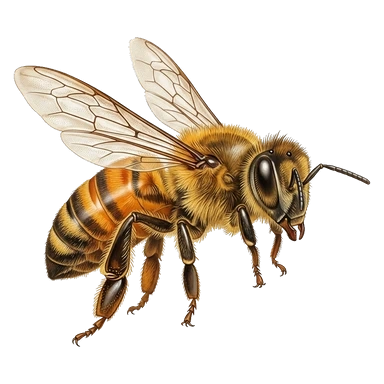 Western honey bee
 Executioner wasp
 Warrior wasp
 Giant tarantula hawk
 Golden poison frog
 Terciopelo
 Brazilian wandering spider
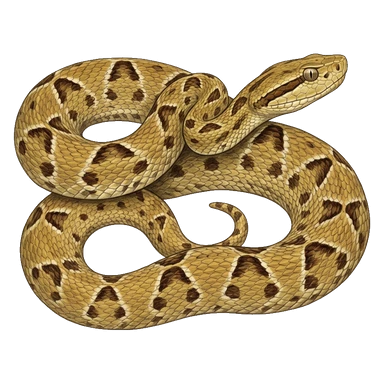 Golden lancehead
 South American bushmaster
 Cane toad
