
 Bitten or stung?
 All animals
 Pick a continent
 Africa
 Asia
 Europe
 South America
 Australia & Oceania
 Antarctica
 Pacific Ocean
 Atlantic Ocean
 Indian Ocean
 Arctic Ocean
 Mediterranean Sea
 Red Sea
 Caribbean Sea
 Coral Sea
 South China Sea
 Philippine Sea
 Andaman Sea
 North Sea
 Timor & Arafura Sea
 Bay of Bengal
 Gulf of California
 Games
 Venom battle
 Animal race
 Field notebook
 Venom TOP lists
 Stay safe
 Surprise me

Cinnabar moth
 Poisonous to eatEats: PlantsTOP 50 · No. 32: Most widespreadPoisonous, not venomous
The cinnabar moth is a brightly coloured day-flying moth with red and black wings. It is native to Europe and parts of Asia, and it has been introduced to New Zealand, Australia and North America. Its bright colours warn predators that it is poisonous.1
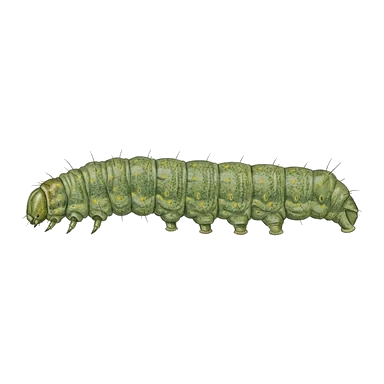
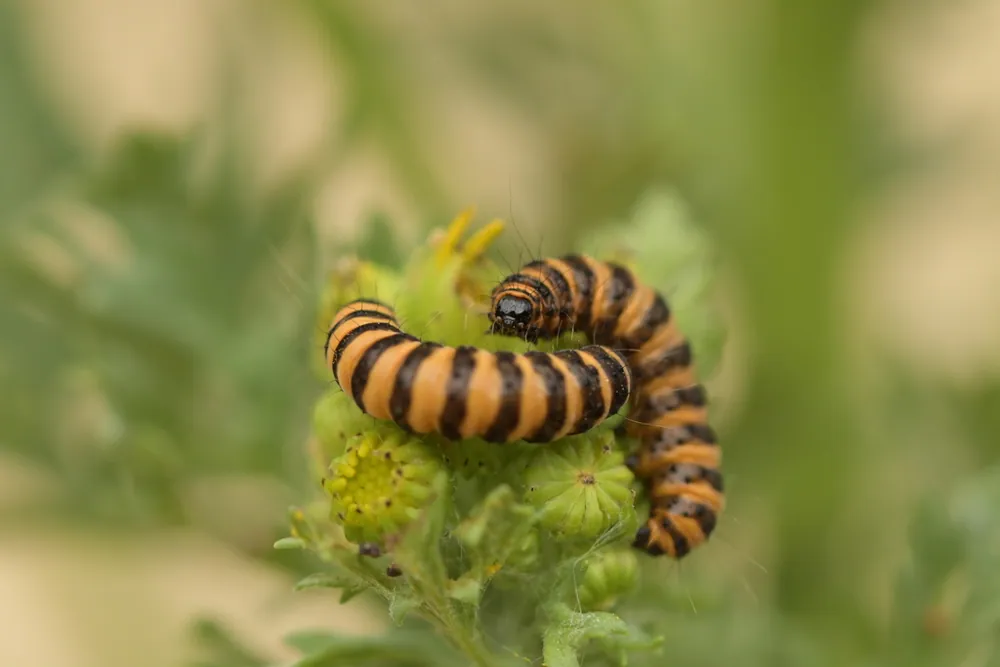
 How to recognise it
- Predominantly black wings with red patches1
- Adults are about 2 cm long, with a wingspan of 3.4 to 4.6 cm1
- Often seen flying in daylight, though it is also active at night1
- Young caterpillars are pale yellow; later caterpillars are jet-black with orange or yellow stripes1
- Rarely, the red can be yellow, the forewing can be all red with a black border, or the wings can be completely black1
Poison power
It is only harmful if something eats it.
How dangerous is it to people?
Danger to people: MildLike a bee sting or less. Basically harmless to people, unless the person is allergic.What does it do when it is scared?
Its bright red and black colours warn predators that it is unpalatable, and predators seldom eat it.1
 If someone ate it
Call your emergency number at once if the person has trouble breathing, swelling of the face or throat, or feels faint.
- If someone ate it or has symptoms after eating it: call your emergency number or poison centre straight away.
This is general first aid guidance, not medical advice. Based on the first aid guidelines of the World Health Organization and the Australian Resuscitation Council. Facts come from public sources and may contain mistakes. When in doubt, always get medical help. First aid basics
 Stay safe
- Never touch, catch or tease a wild animal, even a small one, and even if it looks asleep or dead.
- Give it space. If you meet one, stay calm, step back slowly and let it go its own way.
- If someone ate it: call your emergency number or poison centre straight away.
It is not out to get you. Its poison is only there so that nothing eats it. More about staying safe
Where in the world?
How big is it?
How long is it?
 about as long as a paper clip
 could fly across a whole football pitch in 42 seconds
How big is Cinnabar moth compared to you?
Just maths in your browser. Nothing is saved or sent anywhere.
How fast is it?


Facts
The caterpillars can turn cannibalistic, mainly when food is short, and will eat other cinnabar caterpillars.1
Cuckoos are an exception to the moth's protection, as some species eat its hairy, poisonous caterpillars.1
The moth was used as a biocontrol agent against ragwort, working alongside the Tansy ragwort flea beetle in the western United States.1
Very few caterpillars usually survive to the pupal stage, because they can eat their food plant bare before they mature.1
Evidence suggests the brown long-eared bat preys on this moth.1
It spends the winter as a pupa in a cocoon on the ground.1
Where the facts come from
- Cinnabar moth (Wikipedia (CC BY-SA 4.0))
- Tyria jacobaeae (iNaturalist): names and classification.
- Venom Wiki: the danger level, the typical size and the speed guess are our own. See how we work them out: How we rate danger.
Every fact on this page has a number that points to its source. If we got something wrong, sorry, we are animal fans, not a science journal. Tell us at [email protected] and we will fix it.
Get the Venom Wiki app
Every creature, every picture and the games in your pocket, even without internet.


 Support Venom Wiki Venom Wiki is a one-man project: free, with no ads and no cookies. A small tip helps keep it online.Feed the scorpion
More from the same group: Other poisonous animals
 Spanish flyOther poisonous animalsNeeds a doctorDo not touch
 Green spotted pufferOther poisonous animalsNeeds a doctor
 Common quailOther poisonous animalsPainful
 Black oil beetleOther poisonous animalsPainfulDo not touch
 Red-striped oil beetleOther poisonous animalsPainfulDo not touch
 Six-spot burnetOther poisonous animalsMild
 Common European adder
 Common wasp
 European hornet
 Fire salamander
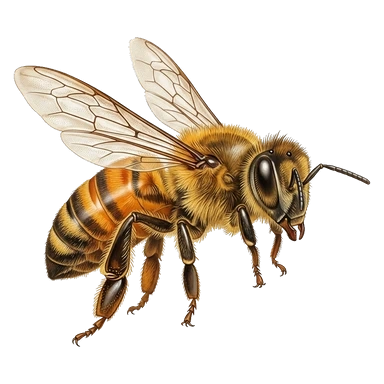 Western honey bee
 Blunt-nosed viper