
 Bitten or stung?
 All animals
 Pick a continent
 Africa
 Asia
 Europe
 South America
 Australia & Oceania
 Antarctica
 Pacific Ocean
 Atlantic Ocean
 Indian Ocean
 Arctic Ocean
 Mediterranean Sea
 Red Sea
 Caribbean Sea
 Coral Sea
 South China Sea
 Philippine Sea
 Andaman Sea
 North Sea
 Timor & Arafura Sea
 Bay of Bengal
 Gulf of California
 Games
 Venom battle
 Animal race
 Field notebook
 Venom TOP lists
 Stay safe
 Surprise me

Common quail
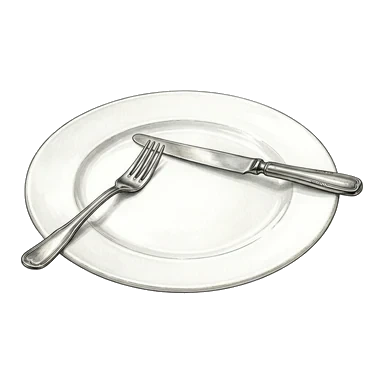 Poisonous to eatEats: A bit of everythingTOP 50 · No. 8: FastestTOP 50 · No. 20: Most widespreadPoisonous, not venomous
The common quail is a small, plump ground-nesting bird. It breeds across Europe and North Africa and spends the winter in Africa and southern India. Its meat can be poisonous, so it is a bird where a little knowledge matters.1
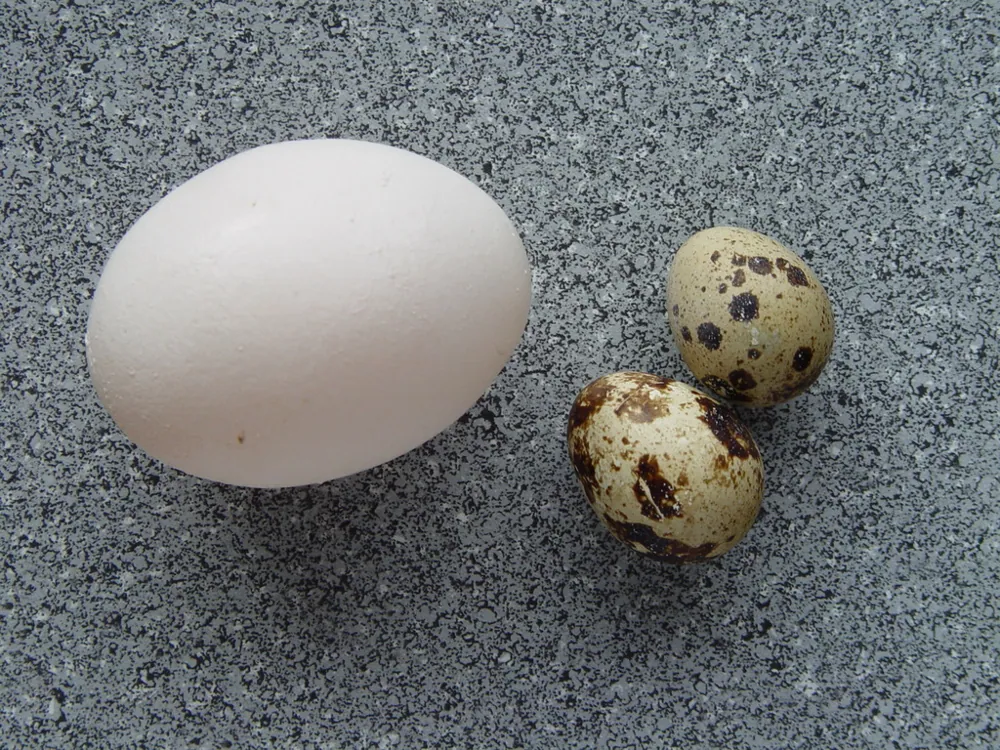
 How to recognise it
- A small, compact bird about 16 to 18 cm long1
- Streaked brown plumage with a white eyestripe1
- Males have a white chin1
- Long wings, unlike most game birds1
- A call of three repeated chirps, and the male's song sounds like 'wet-my-lips'1
Often confused with: The Japanese quail (Coturnix japonica), native to Asia, looks very similar. Its call is very different from that of the common quail, which is the best way to tell them apart.1
Poison power
It is only harmful if something eats it.
What does its poison do?
This bird is not venomous. Its meat can be poisonous if the birds have eaten certain plants, although which plants is still debated. The resulting illness, called coturnism, causes muscle soreness and may lead to kidney failure.1
How dangerous is it to people?
Danger to people: PainfulIt can really hurt, but it is almost never serious.One in four people who eat poisonous quail meat become ill with coturnism. The illness can lead to kidney failure.1
What does it do when it is scared?
When flushed, it keeps low and soon drops back into cover. It would rather creep away than fly.1
 If someone ate it
Call your emergency number at once if the person has trouble breathing, swelling of the face or throat, or feels faint.
- If someone ate it or has symptoms after eating it: call your emergency number or poison centre straight away.
This is general first aid guidance, not medical advice. Based on the first aid guidelines of the World Health Organization and the Australian Resuscitation Council. Facts come from public sources and may contain mistakes. When in doubt, always get medical help. First aid basics
 Stay safe
- Never touch, catch or tease a wild animal, even a small one, and even if it looks asleep or dead.
- Give it space. If you meet one, stay calm, step back slowly and let it go its own way.
- If someone ate it: call your emergency number or poison centre straight away.
It is not out to get you. Its poison is only there so that nothing eats it. More about staying safe
Where in the world?
How big is it?
How long is it?
How heavy is it?

 as long as 2 bank cards end to end
 could fly across a whole football pitch in 9.5 seconds
How big is Common quail compared to you?
Just maths in your browser. Nothing is saved or sent anywhere.
How fast is it?


Facts
Huge numbers are caught in nets along the Mediterranean coast of Egypt. An estimated 12.9 million birds were caught across Egypt in 2012 during the autumn migration.1
In 1537, Queen Jane Seymour, third wife of Henry VIII, developed a strong craving for quail. Courtiers and diplomats abroad were ordered to find supplies for her.1
The Book of Numbers in the Bible describes a huge mass of quails blown in by a wind, which the Israelites took as meat in the wilderness.1
Common quails are strongly migratory, unlike most game birds.1
The young can leave the nest and feed themselves shortly after hatching, and they stay with the family group for 30 to 50 days.1
For venom experts
- Scientific name
- Coturnix coturnix
- Group
- Other poisonous animals
- Also called
- European quail1
- Family
- Phasianidae2
- Order
- Galliformes
- Continents
- Europe, Asia, Africa
- Babies
- The female lays a clutch of 8 to 13 eggs, one every 24 hours, in a shallow scrape on the ground. The chicks hatch together after 17 to 20 days and can feed themselves soon after hatching.1
- How it is doing in the wild
- Least concern (IUCN)1
- Danger to people
- 2 / 5: Painful3
Where the facts come from
- Common quail (Wikipedia (CC BY-SA 4.0))
- Coturnix coturnix (iNaturalist): names and classification.
- Venom Wiki: the danger level, the typical size and the speed guess are our own. See how we work them out: How we rate danger.
Every fact on this page has a number that points to its source. If we got something wrong, sorry, we are animal fans, not a science journal. Tell us at [email protected] and we will fix it.
Get the Venom Wiki app
Every creature, every picture and the games in your pocket, even without internet.


 Support Venom Wiki Venom Wiki is a one-man project: free, with no ads and no cookies. A small tip helps keep it online.Feed the scorpion
More from the same group: Other poisonous animals
 Spanish flyOther poisonous animalsNeeds a doctorDo not touch
 Green spotted pufferOther poisonous animalsNeeds a doctor
 African crested ratOther poisonous animalsPainfulDo not touch
 Spur-winged gooseOther poisonous animalsPainful
 Cinnabar mothOther poisonous animalsMild
 Fahaka pufferfishOther poisonous animalsCan kill
 Common European adder
 Common wasp
 European hornet
 Fire salamander
 Western honey bee
 Blunt-nosed viper